Cannabis Beverages: The Complete Guide to THC & CBD Drinks
Cannabis beverages represent the exciting evolution of liquid edibles, offering a refreshing and discreet way to enjoy THC and CBD effects. Unlike traditional smoking or vaping, these infused drinks provide precise dosing, faster onset times, and familiar consumption methods that feel natural to most people. From sparkling sodas to calming teas, cannabis beverages deliver consistent experiences perfect for both newcomers and experienced users seeking alternatives to conventional consumption methods. 🥤
What Are Cannabis Beverages and How Do They Work
Understanding Cannabis-Infused Liquid Edibles
The Science Behind Drinkable Cannabis
Cannabis beverages are liquid edibles infused with THC, CBD, or both cannabinoids using advanced emulsification technology. This process breaks down cannabis compounds into microscopic particles that mix seamlessly with water-based liquids, creating stable beverages that deliver consistent effects. Modern nano-emulsion techniques allow these drinks to offer faster onset times than traditional edibles—often within 15-30 minutes rather than the typical 1-2 hours. The beverages work by delivering cannabinoids through your digestive system, but the smaller particle size enables quicker absorption and more predictable experiences. ⚗️
Types of Cannabis Drinks Available Today
Popular Cannabis Beverage Categories
THC vs CBD Drink Options
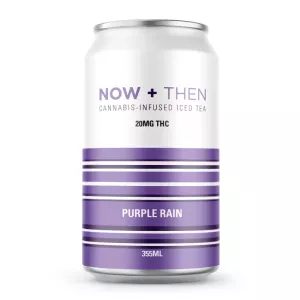
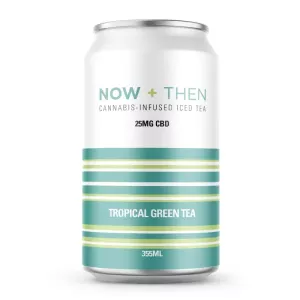
The cannabis beverage market offers diverse options tailored to different preferences and desired effects. Sparkling sodas and seltzers provide familiar fizzy refreshment with precise cannabinoid dosing, while cannabis teas and coffees blend traditional beverages with therapeutic compounds. Energy drinks infused with THC or CBD offer functional benefits, and fruit juices deliver natural flavors alongside cannabis effects. Many brands focus on low-dose options (2.5-10mg THC) perfect for microdosing, while others offer higher potency drinks for experienced users. CBD-dominant beverages cater to wellness-focused consumers seeking relaxation without intoxication. 🍹
☕ Cannabis Coffee: Morning beverages combining caffeine with CBD or THC
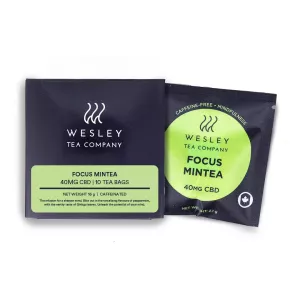
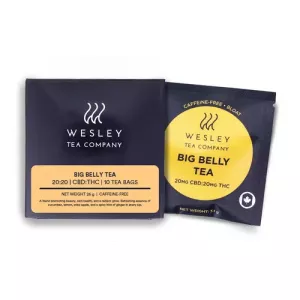
🍃 Herbal Teas: Calming blends perfect for evening relaxation
⚡ Energy Drinks: Functional beverages for active lifestyles
🍊 Fruit Juices: Natural flavors with precise cannabinoid content
How Cannabis Beverages Work in Your Body
Absorption and Onset Times Explained
Duration and Peak Effects Timeline
Cannabis beverages utilize nano-emulsification technology to create water-soluble cannabinoids that absorb more efficiently than traditional edibles. When you drink these beverages, the nano-sized cannabis particles bypass some first-pass liver metabolism, leading to faster onset times and more consistent bioavailability. Most users report feeling initial effects within 15-45 minutes, with peak effects occurring around 1-2 hours and lasting 2-4 hours total. This predictable timeline makes cannabis beverages excellent for social situations or when you need controlled timing. The liquid format also allows for easier dose titration—you can sip gradually to find your perfect level rather than committing to a full dose upfront. 📈
Best Cannabis Drinks for Different Effects
Choosing Drinks for Relaxation vs Energy
Social Drinking with Cannabis Beverages
Selecting the right cannabis beverage depends on your desired experience and timing. For evening relaxation, CBD-dominant drinks or low-dose indica-inspired blends provide calming effects without overwhelming psychoactivity. Social situations benefit from light, sparkling beverages with balanced THC:CBD ratios that promote conversation and mood enhancement. Morning or daytime use calls for energizing options with sativa-derived terpenes or CBD beverages paired with natural caffeine. The key advantage of cannabis beverages is their similarity to alcohol in social contexts—they feel familiar and allow for gradual consumption while maintaining precise dosing control. 🎯
MOLLO-SPARKLING-YUZU-5-5-THC-CBD-355ML
Cannabis Beverage Benefits vs Traditional Edibles
Faster Onset and Better Control
Social and Discretion Advantages
Cannabis beverages offer several distinct advantages over traditional edibles and other consumption methods. The faster onset time eliminates the guesswork that often leads to overconsumption with regular edibles—you know within 30 minutes how the dose is affecting you. The ability to sip gradually provides unprecedented control over your experience, allowing you to find the perfect level without committing to a full dose. Socially, cannabis beverages feel natural and familiar, making them perfect for group settings or replacing alcoholic drinks. They're also incredibly discreet, looking like any other beverage while providing therapeutic or recreational benefits. The consistent dosing and professional manufacturing ensure reliable experiences every time. ✨
⏱️ Faster Onset: Effects typically begin within 15-30 minutes vs 1-2 hours for edibles
👥 Social Acceptance: Familiar beverage format fits naturally into social settings
🤫 Maximum Discretion: Looks and feels like any other drink
📊 Consistent Dosing: Professional manufacturing ensures accurate cannabinoid content
Cannabis Drink Dosing Guide for Beginners
Starting Doses and Tolerance Building
Microdosing with Liquid Cannabis
Proper dosing with cannabis beverages starts conservatively, especially for newcomers. Most experts recommend beginning with 2.5-5mg of THC, which many commercial beverages offer as standard serving sizes. The beauty of liquid edibles lies in their divisibility—you can easily consume half a bottle or take small sips over time to gauge effects. Wait at least 45-60 minutes before consuming more, as effects can continue developing. Experienced users might comfortable with 10-20mg doses, while those seeking strong effects may opt for 25mg+ beverages. CBD beverages offer more flexibility, with doses ranging from 5-50mg depending on desired wellness benefits. TWEED-HOUNDSTOOTH-SODA-355ML Always consider your tolerance, body weight, and metabolism when determining appropriate doses. 📏
Choosing Quality Cannabis Beverages
What to Look for in Premium Cannabis Drinks
Reading Labels and Lab Test Results
Quality cannabis beverages start with clean, lab-tested cannabis extracts and natural ingredients. Look for products that clearly display cannabinoid content, serving sizes, and comprehensive lab testing results covering potency, pesticides, heavy metals, and microbials. Premium brands use advanced emulsification technology that creates stable, consistent products without separation or settling. The ingredient list should be transparent, avoiding artificial additives when possible and using natural flavoring systems. Packaging matters too—UV-resistant containers preserve cannabinoid integrity, while clear labeling demonstrates compliance with regulations. Reputable manufacturers provide batch-specific lab results and maintain consistent dosing across product lines. MOLLO-SPARKLING-BLOOD-ORANGE-5-THC-355ML 🏆
Are Cannabis Beverages Safe and Legal
Safety Profile and Potential Interactions
Legal Status and Regulations
Cannabis beverages manufactured by licensed producers undergo rigorous testing and quality control, making them significantly safer than unregulated alternatives. The controlled dosing eliminates many risks associated with homemade edibles or unknown potency products. However, these beverages should never be combined with alcohol or other substances, and users should avoid driving or operating machinery while under the influence. Some medications may interact with cannabinoids, so consult healthcare providers if you take prescription drugs. Legal status varies by jurisdiction, but in regulated markets, cannabis beverages must meet strict manufacturing standards, accurate labeling requirements, and child-resistant packaging mandates. Store them securely away from minors and pets, and always consume responsibly within legal guidelines. 🛡️
Cannabis beverages represent the future of cannabis consumption, combining the social familiarity of drinking with the precision and control that modern consumers demand. Whether you're seeking relaxation after work, social lubrication for gatherings, or therapeutic benefits throughout the day, these liquid edibles offer unmatched versatility and reliability. Start low, go slow, and explore the diverse world of cannabis beverages to discover your perfect infused drink experience. The combination of faster onset, better control, and social acceptance makes cannabis beverages an ideal choice for both newcomers and experienced users looking to expand their consumption methods. 🌟
Frequently Asked Questions
How long do cannabis beverages take to work?
Cannabis beverages typically begin working within 15-30 minutes due to nano-emulsification technology, much faster than traditional edibles which can take 1-2 hours. Peak effects usually occur around 1-2 hours and last 2-4 hours total.
What's the difference between THC and CBD beverages?
THC beverages produce psychoactive effects and euphoria, while CBD beverages offer therapeutic benefits like relaxation and pain relief without intoxication. Many products combine both cannabinoids for balanced effects.
How much cannabis beverage should beginners drink?
Beginners should start with 2.5-5mg of THC, which is typically half to one full serving of most commercial cannabis beverages. Wait 45-60 minutes before consuming more to gauge effects properly.
Are cannabis beverages safer than other edibles?
Cannabis beverages offer better safety through precise dosing, faster onset times that prevent overconsumption, and the ability to titrate doses by sipping gradually rather than consuming a full dose at once.
Can you mix cannabis beverages with alcohol?
No, cannabis beverages should never be combined with alcohol as this can amplify impairment and create unpredictable effects. Always consume cannabis beverages on their own and avoid driving or operating machinery.
What types of cannabis drinks are available?
Popular cannabis beverages include sparkling seltzers, infused coffees and teas, energy drinks, fruit juices, and sodas. Options range from low-dose social drinks to high-potency therapeutic beverages.
How do cannabis beverages work in your body?
Cannabis beverages use nano-emulsified cannabinoids that absorb more efficiently than traditional edibles, bypassing some first-pass liver metabolism for faster onset and more predictable bioavailability.
What should you look for in quality cannabis beverages?
Cannabis beverages represent one of the most innovative and rapidly growing segments in the cannabis industry, offering consumers a familiar and socially acceptable way to experience cannabis effects. Unlike traditional smoking or vaping methods, cannabis-infused drinks provide a discrete, lung-friendly alternative that mimics the social ritual of enjoying alcoholic beverages without the associated risks. At BIRCH+FOG, our curated selection of cannabis beverages spans from refreshing sparkling waters to complex craft sodas, each formulated with precision dosing and premium ingredients to deliver consistent, predictable experiences.
What Are Cannabis Beverages
Cannabis beverages are liquid products infused with cannabinoids, primarily THC (tetrahydrocannabinol) and CBD (cannabidiol), extracted from cannabis plants. These products undergo sophisticated manufacturing processes to ensure the water-soluble cannabinoids are evenly distributed throughout the liquid, creating a homogeneous product that delivers consistent dosing with each serving.
The development of cannabis beverages required overcoming significant technical challenges, as cannabinoids are naturally lipophilic (fat-soluble) rather than hydrophilic (water-soluble). Advanced emulsification techniques and nanotechnology have enabled manufacturers to create stable, clear beverages that maintain their potency and clarity over extended shelf life periods.
Modern cannabis beverages offer several advantages over traditional consumption methods. They provide precise dosing control, typically ranging from 2.5mg to 10mg of cannabinoids per serving, making them ideal for both new consumers seeking micro-doses and experienced users looking for moderate effects. The liquid format also allows for faster onset times compared to traditional edibles, as some absorption begins in the mouth and continues through the digestive system.
Types of Cannabis Beverages
The cannabis beverage market encompasses a diverse range of product categories, each designed to meet different consumer preferences and consumption occasions. Sparkling beverages dominate the market, offering refreshing options that range from lightly flavored seltzers to complex craft sodas with sophisticated flavor profiles. These carbonated options provide an experience similar to enjoying a craft beer or premium soda, making them popular choices for social consumption.
Still beverages represent another significant category, including enhanced waters, fruit juices, teas, and coffee-based drinks. These products often focus on functional benefits, combining cannabinoids with other wellness ingredients like adaptogens, vitamins, or natural fruit extracts. Still beverages typically offer more subtle flavor profiles and are often preferred by consumers seeking relaxation or wellness benefits rather than recreational effects.
Energy and functional drinks constitute a growing segment, featuring combinations of cannabinoids with caffeine, B-vitamins, and natural energizers. These products aim to provide balanced stimulation, where CBD or specific terpenes moderate caffeine's potentially anxious effects while maintaining alertness and focus.
Alcohol-alternative beverages specifically target consumers seeking to replace alcoholic drinks in social settings. These products often feature higher cannabinoid concentrations and are formulated to provide relaxation and social lubrication similar to alcoholic beverages but without alcohol's negative health impacts or hangover effects.
How Cannabis Beverages Work
Cannabis beverages work through a combination of sublingual absorption and digestive processing, creating a unique pharmacokinetic profile that differs from both smoked cannabis and traditional edibles. When consumed, cannabinoids begin absorbing through the mucous membranes in the mouth and under the tongue, providing initial effects within 15-30 minutes for many consumers.
The remaining cannabinoids continue through the digestive system, where they undergo first-pass metabolism in the liver. This process converts Delta-9 THC into 11-Hydroxy THC, a more potent metabolite that contributes to the sustained effects characteristic of edible cannabis products. This dual-pathway absorption creates an onset profile faster than traditional edibles but longer-lasting than inhalation methods.
The liquid format provides several advantages for cannabinoid absorption. The molecules are already in solution, eliminating the need for dissolution that occurs with solid edibles. Additionally, the smaller particle sizes achieved through modern emulsification techniques increase the surface area available for absorption, potentially enhancing bioavailability and reducing the variability often associated with edible cannabis products.
Individual factors significantly influence how cannabis beverages affect each consumer. Body weight, metabolism, recent food intake, and individual tolerance levels all impact onset time, intensity, and duration of effects. Empty stomach consumption typically results in faster onset but potentially more intense effects, while consuming beverages with food may delay onset but provide more gradual, sustained effects.
THC vs CBD Beverages
THC-dominant beverages are formulated to provide psychoactive effects ranging from mild euphoria and relaxation to more pronounced cerebral and physical effects, depending on dosage and individual tolerance. These products typically contain 2.5mg to 10mg of THC per serving, with lower doses suitable for micro-dosing and social consumption, while higher doses provide more therapeutic or recreational effects.
THC beverages are often chosen for evening relaxation, social gatherings, creative activities, or as alcohol alternatives. The effects profile includes mood elevation, stress reduction, enhanced sensory perception, and potential sedative effects at higher doses. Consumers should be aware that THC beverages can impair coordination and judgment, making them unsuitable for driving or operating machinery.
CBD-dominant beverages focus on therapeutic benefits without significant psychoactive effects. These products typically contain 10mg to 25mg of CBD per serving and are marketed for wellness applications including stress relief, inflammation reduction, sleep support, and general relaxation. CBD beverages can be consumed throughout the day without impairing cognitive function, making them popular among professionals and health-conscious consumers.
Balanced ratio beverages combine THC and CBD in various proportions, such as 1:1, 2:1, or 1:2 ratios. These formulations aim to leverage the entourage effect, where multiple cannabinoids work synergistically to enhance therapeutic benefits while potentially reducing unwanted side effects. CBD can moderate THC's psychoactive effects, providing a more balanced, manageable experience for many consumers.
Manufacturing and Infusion Methods
The production of cannabis beverages involves sophisticated extraction and infusion processes that ensure product consistency, stability, and safety. The process begins with high-quality cannabis extraction using methods such as CO2 extraction or ethanol extraction to obtain concentrated cannabinoid oils. These extracts undergo additional refinement to remove unwanted compounds like chlorophyll, waxes, and residual solvents.
Nanoemulsion technology represents the current gold standard for cannabis beverage production. This process breaks down cannabinoid molecules into nanoparticles typically smaller than 100 nanometers, creating stable emulsions that remain evenly distributed in water-based solutions. Nanoemulsification also enhances bioavailability and can reduce onset times compared to traditional formulations.
Microencapsulation offers another advanced infusion method, where cannabinoids are enclosed within protective coatings that control release rates and improve stability. This technology allows manufacturers to create beverages with specific onset and duration profiles, potentially enabling rapid-onset formulations or extended-release products.
Quality control measures throughout the manufacturing process ensure product safety and consistency. This includes testing raw materials for pesticides, heavy metals, and microbials, as well as finished product testing for cannabinoid potency, homogeneity, and stability. Reputable manufacturers conduct multiple tests throughout production and implement batch tracking systems to ensure product traceability.
Packaging considerations play a crucial role in maintaining product integrity. Light-resistant containers protect cannabinoids from degradation, while proper sealing prevents contamination and maintains carbonation in sparkling products. Many manufacturers use nitrogen flushing or other preservation techniques to extend shelf life and maintain product quality.
Regulatory Considerations
Cannabis beverage regulations vary significantly across jurisdictions, with each region implementing specific requirements for production, testing, labeling, and distribution. In Canada, cannabis beverages fall under the Cannabis Act and associated regulations, which mandate strict quality control measures, standardized dosing limits, and comprehensive labeling requirements.
Licensed producers must operate under Good Production Practices (GPP) guidelines, which encompass facility design, equipment maintenance, personnel training, and quality assurance protocols. These regulations ensure that cannabis beverages meet pharmaceutical-grade production standards and maintain consistent quality across batches.
Labeling requirements typically include cannabinoid content, serving size recommendations, health warnings, and storage instructions. Many jurisdictions require child-resistant packaging and prohibit marketing that might appeal to minors. Products must also display standardized symbols indicating cannabis content and include contact information for the licensed producer.
Testing requirements usually mandate comprehensive analysis for potency, pesticides, heavy metals, microbials, and residual solvents. Products must meet strict limits for contaminants and demonstrate homogeneity to ensure consistent dosing throughout the package. Third-party laboratory testing is often required to verify compliance with regulatory standards.
Distribution and retail regulations govern how cannabis beverages can be sold, stored, and marketed. These rules typically restrict sales to licensed retailers, require age verification, and limit purchase quantities. Online sales may be permitted in some jurisdictions but often with additional restrictions and verification requirements.
Choosing Your First Cannabis Beverage
Selecting your first cannabis beverage requires careful consideration of your experience level, desired effects, and personal preferences. New consumers should prioritize products with low cannabinoid concentrations, typically starting with beverages containing 2.5mg or less of THC, or CBD-dominant products for those seeking non-psychoactive benefits.
Consider your consumption goals when selecting a product. If seeking relaxation after work, a THC-dominant beverage with calming terpenes might be appropriate. For social situations, balanced ratio products or low-dose THC beverages can provide mild euphoria without impairment. Those interested in wellness benefits without psychoactive effects should focus on CBD-dominant options.
Flavor preferences play a significant role in product selection and overall experience satisfaction. Cannabis beverages range from virtually flavorless options that can be mixed with other drinks to complex craft formulations with sophisticated flavor profiles. Consider whether you prefer fruity, herbal, citrus, or more neutral flavors when making your selection.
Timing considerations affect product choice, as some beverages are formulated for specific consumption occasions. Morning or daytime products often feature energizing ingredients or pure CBD formulations, while evening products may include relaxing terpenes or higher THC concentrations designed to promote sleep and relaxation.
Budget considerations vary widely across the cannabis beverage market, with prices typically reflecting quality of ingredients, sophistication of formulation, and brand positioning. While premium products often offer superior taste and more predictable effects, many affordable options provide excellent introductory experiences for new consumers.
Safety and Consumption Guidelines
Safe cannabis beverage consumption begins with understanding proper dosing principles and recognizing individual tolerance variations. The fundamental rule "start low and go slow" applies especially to beverages, as liquid consumption can feel deceptively similar to non-cannabis drinks, potentially leading to overconsumption.
New consumers should begin with the lowest available dose, typically 2.5mg of THC or less, and wait at least two hours before considering additional consumption. Unlike smoked cannabis with immediate effects, beverages require patience as onset times vary based on individual metabolism, recent food intake, and product formulation.
Avoid mixing cannabis beverages with alcohol, as this combination can significantly amplify impairment and increase the risk of adverse effects. The interaction between cannabinoids and alcohol is complex and unpredictable, potentially leading to increased nausea, dizziness, and cognitive impairment beyond what either substance would produce independently.
Storage safety involves keeping cannabis beverages in original packaging, away from children and pets, and in cool, dark environments to maintain potency. Many jurisdictions require child-resistant packaging, but additional precautions like locked storage are recommended, especially in households with children or individuals who might accidentally consume the products.
Never drive or operate machinery after consuming cannabis beverages, as they can significantly impair coordination, reaction time, and judgment. Effects may not be immediately apparent but can develop over one to two hours, creating dangerous situations if consumers underestimate their level of impairment.
Understanding your personal response patterns helps optimize both safety and enjoyment. Keep a consumption journal noting product type, dose, timing, food intake, and effects experienced. This information helps identify optimal products and dosing for your individual needs while avoiding uncomfortable overconsumption experiences.
Cannabis beverages represent an exciting evolution in cannabis consumption, offering precise dosing, familiar consumption methods, and sophisticated flavor profiles that appeal to both new and experienced consumers. The technology behind modern cannabis beverages continues advancing, promising even more consistent, faster-acting, and enjoyable products in the future. As you explore BIRCH+FOG's cannabis beverage selection, remember that finding your optimal product and dose is a personal journey that benefits from patience, careful observation, and responsible consumption practices.
Cannabis Beverage Dosage Guide
Finding the right dosage for cannabis beverages requires understanding your personal tolerance, desired effects, and the unique characteristics of liquid cannabis consumption. Unlike smoking or vaping, beverages offer precise dosing control and predictable effects, making them ideal for both newcomers and experienced users seeking consistent experiences. This comprehensive guide will help you navigate dosage decisions with confidence, whether you're exploring our selection for the first time or looking to optimize your cannabis beverage routine.
Understanding Cannabis Beverage Dosing
Cannabis beverages provide one of the most controlled dosing experiences available in the cannabis market. Each product clearly displays its THC and CBD content per serving, allowing for precise measurement and consistent effects. The liquid format means cannabinoids are evenly distributed throughout the beverage, eliminating the guesswork often associated with edibles where active compounds may be unevenly dispersed.
Most cannabis beverages utilize nano-emulsification technology, which breaks cannabinoids into microscopic particles that mix seamlessly with water. This process not only ensures even distribution but also enhances bioavailability, meaning your body can absorb and utilize the cannabinoids more effectively. The result is faster onset times compared to traditional edibles and more predictable dosing curves.
When reading dosage information, pay attention to whether the listed amount represents the entire container or per serving. Some larger beverages contain multiple servings, while single-serve options provide the full dose in one container. Understanding this distinction is crucial for accurate dosing and avoiding unintended overconsumption.
THC Dosage Recommendations
For cannabis beverage newcomers, starting with 2.5mg of THC represents the ideal entry point. This low dose allows you to gauge your body's response while minimizing the risk of overwhelming effects. Many users find this amount provides subtle relaxation and mood enhancement without impairment, making it perfect for social situations or evening unwinding.
Intermediate users typically find their sweet spot between 5-10mg of THC. This range offers more pronounced effects including enhanced creativity, deeper relaxation, and noticeable euphoria while maintaining functional capacity. Users at this level often appreciate the ability to engage in conversations, enjoy entertainment, or pursue creative activities with heightened enjoyment.
Experienced users may prefer doses ranging from 10-20mg, though individual tolerance varies significantly. At these levels, expect more intense psychoactive effects, including altered perception, enhanced sensory experiences, and pronounced body relaxation. Users should have established tolerance and be in comfortable, familiar environments when consuming these amounts.
High-tolerance users sometimes consume 20mg or more, but this should only be attempted by those with extensive cannabis experience and established tolerance. Even experienced users should approach higher doses cautiously with cannabis beverages, as the consistent absorption and bioavailability can make effects more intense than expected.
CBD-Focused Beverages
CBD-dominant beverages offer therapeutic benefits without psychoactive effects, making dosing considerations quite different from THC products. Starting doses for CBD typically range from 10-25mg, as CBD requires higher amounts to achieve noticeable effects. Unlike THC, CBD doesn't produce intoxication, allowing for more flexible dosing without impairment concerns.
For stress relief and general wellness, doses between 15-30mg of CBD often provide optimal benefits. This range supports relaxation, may help with minor aches and tension, and can promote overall well-being. Many users incorporate CBD beverages into their daily routines, consuming them with meals or as afternoon refreshers.
Higher CBD doses, ranging from 40-60mg, may be appropriate for users seeking more pronounced therapeutic effects. These amounts might support better sleep quality, address more significant discomfort, or provide enhanced stress management. Since CBD doesn't cause intoxication, users can adjust upward more aggressively than with THC products.
Balanced THC:CBD beverages offer unique dosing opportunities, combining therapeutic CBD benefits with mild psychoactive effects. Popular ratios include 1:1, 2:1 CBD:THC, and 5:1 CBD:THC, each providing different experiences. These balanced formulations often allow for slightly higher THC consumption due to CBD's moderating effects on THC's psychoactivity.
Micro-Dosing with Beverages
Cannabis beverages excel as micro-dosing vehicles, allowing users to consume very small amounts throughout the day for sustained, subtle effects. Micro-dosing typically involves consuming 1-3mg of THC multiple times rather than larger single doses. This approach maintains functional capacity while providing consistent mood enhancement, creativity boost, and stress relief.
The controlled nature of cannabis beverages makes portion control simple for micro-dosing protocols. Users can measure exact amounts, create custom dilutions, or consume small portions of higher-dose beverages over extended periods. This flexibility supports various micro-dosing schedules, from twice-daily consumption to hourly micro-doses during specific activities.
Many micro-dosing enthusiasts prefer this method for daytime use, as it provides therapeutic benefits without significant impairment. The approach works particularly well for users managing chronic stress, seeking creative enhancement, or maintaining elevated mood throughout busy schedules. The gradual, sustained effects align well with daily productivity requirements.
Successful micro-dosing requires patience and attention to cumulative effects. While individual micro-doses may seem subtle, the combined impact throughout the day can be significant. Users should monitor their total daily consumption and adjust timing based on their schedules and desired effect patterns.
Calculating Your Ideal Dose
Finding your personal optimal dose requires systematic experimentation and careful observation. Begin by establishing your baseline tolerance with the lowest available dose, then gradually increase in small increments over multiple sessions. Document your experiences, noting onset time, peak effects, duration, and overall satisfaction with each dose level.
Consider your consumption goals when determining ideal dosage. Social situations might call for lower doses that maintain conversational ability and social awareness, while personal relaxation time might accommodate higher doses for deeper therapeutic effects. Weekend consumption often allows for higher doses than weekday use due to schedule flexibility.
Your ideal dose may vary based on the specific beverage formulation, even when THC/CBD content appears similar. Different terpenes, processing methods, and additional ingredients can influence effects. Test each new product carefully, even when transitioning between beverages with identical cannabinoid profiles.
Track patterns in your dosing responses over time. Many users discover their optimal dose changes with regular consumption, stress levels, sleep quality, and other lifestyle factors. Maintaining flexibility and periodically reassessing your ideal dose ensures continued satisfaction and effectiveness.
Timing and Consumption Strategies
Cannabis beverage timing significantly impacts both onset and overall experience. Consuming beverages on an empty stomach typically results in faster onset but potentially more intense effects, while consumption with food may delay onset but provide more gradual, sustained effects. Plan your consumption timing based on your schedule and desired effect profile.
For social events, consume your chosen dose 30-45 minutes before peak social time to ensure optimal effects during key interactions. This timing allows effects to develop fully while avoiding the uncertainty of consuming during the event itself. Having a clear timeline helps prevent anxiety about when effects will manifest.
Evening consumption for relaxation works best 1-2 hours before intended sleep time, allowing effects to peak during wind-down activities and gradually diminish toward bedtime. This timing supports relaxation without risking sleep interference from peak psychoactivity occurring too late in the evening.
Daytime consumption requires careful consideration of work, family, and transportation responsibilities. Micro-dosing or very low doses may be appropriate for some users during daytime hours, but always prioritize safety and legal compliance. Never consume cannabis beverages before driving or operating machinery.
Factors Affecting Dosage
Body weight and composition influence cannabis beverage effects, though not as predictably as with alcohol. Generally, users with higher body weight may require slightly higher doses, but individual sensitivity varies significantly regardless of size. Metabolism, liver function, and individual cannabinoid receptor sensitivity often matter more than simple weight calculations.
Recent food consumption affects both onset time and intensity. Fatty foods may enhance cannabinoid absorption, potentially intensifying effects, while high-fiber foods might slow absorption. Empty stomach consumption often results in faster, more intense effects, while consumption with meals provides more gradual onset.
Stress levels, sleep quality, and overall health significantly impact cannabis effects. High stress may require higher doses for desired relaxation, while poor sleep can increase sensitivity to psychoactive effects. Physical illness or medication interactions may also alter your typical dose response, requiring adjustment and caution.
Hormonal fluctuations, particularly in women, can affect cannabis sensitivity throughout monthly cycles. Some users report increased sensitivity during certain cycle phases, requiring dose adjustments for consistent effects. Tracking these patterns helps optimize dosing timing and amounts.
Mixing and Splitting Doses
Single-serving cannabis beverages offer straightforward dosing, but larger containers may require strategic consumption for optimal effects. Many products contain multiple servings, allowing users to split consumption over time or save portions for later use. Always reseal opened beverages properly and consume within recommended timeframes.
Splitting doses throughout extended periods can provide sustained effects without the intensity of single large doses. This approach works well for long social events, creative projects, or extended relaxation periods. Plan your splitting schedule in advance to maintain consistent effects without accidental overconsumption.
Mixing different cannabis beverages requires careful calculation of total cannabinoid consumption. While exploring various flavors and formulations can be enjoyable, always track your cumulative intake across different products. The combined effects may be stronger than expected, particularly when mixing products with different cannabinoid ratios.
Some users enjoy creating custom blends by combining small amounts of different cannabis beverages, but this approach requires advanced understanding of dosing and effects. Start with very small amounts when experimenting with combinations, and always calculate total cannabinoid content across all consumed products.
Tolerance Considerations
Regular cannabis beverage consumption can lead to tolerance development, requiring higher doses to achieve previously attained effects. This process occurs gradually, often over weeks or months of consistent use. Users should monitor their dose requirements and consider tolerance breaks if they find themselves needing significantly higher amounts.
Tolerance breaks, typically lasting 1-4 weeks, can reset sensitivity and reduce required doses. During breaks, users often rediscover the effectiveness of lower doses and save money on cannabis purchases. Plan tolerance breaks around periods when cannabis use is less critical for your wellness routine.
Cross-tolerance between different consumption methods means that tolerance built from smoking, vaping, or edibles affects cannabis beverage sensitivity. New users to beverages aren't necessarily cannabis newcomers, and their existing tolerance influences appropriate starting doses. Consider your total cannabis consumption across all methods when determining beverage doses.
Rotating between different cannabis products and consumption methods may help slow tolerance development while maintaining therapeutic benefits. This approach prevents over-reliance on any single product type and keeps various consumption methods effective for different situations and needs.
Safety Guidelines
Never exceed manufacturer-recommended maximum daily doses without consulting healthcare professionals familiar with cannabis therapeutics. While cannabis overdose isn't fatal, overconsumption can cause significant discomfort including anxiety, paranoia, and physical uneasiness. Start low, go slow, and respect the delayed onset typical of cannabis beverages.
Wait at least 2 hours before consuming additional doses, as cannabis beverage effects can take 30-90 minutes to fully manifest. This patience prevents the common mistake of consuming more before feeling initial effects, which often leads to overconsumption and unpleasant experiences.
Store cannabis beverages securely away from children, pets, and unauthorized users. Clear labeling and secure storage prevent accidental consumption by others. Many jurisdictions require specific storage protocols for cannabis products, so familiarize yourself with local regulations.
Never operate vehicles, machinery, or engage in potentially dangerous activities while under the influence of cannabis beverages. Plan alternative transportation and avoid responsibilities requiring full attention and reflexes. The effects can last several hours, so plan accordingly for the entire duration of influence.
Understanding proper dosage transforms cannabis beverages from uncertainty into reliable, enjoyable experiences. Whether you're seeking subtle daily enhancement or profound relaxation, the precise control offered by quality cannabis beverages allows you to find and maintain your perfect dose. Remember that finding your ideal amount is a personal journey requiring patience, observation, and gradual experimentation. With careful attention to these guidelines, you'll discover how cannabis beverages can enhance your wellness routine safely and effectively.
Cannabis Beverage Effects Timeline
Understanding the effects timeline of cannabis beverages is crucial for a safe and enjoyable experience. Unlike smoking or vaping cannabis, beverages follow the edible onset pattern, which means delayed but longer-lasting effects. This comprehensive timeline guide will help you navigate the unique characteristics of cannabis beverages available at BIRCH+FOG, ensuring you can plan your consumption and manage your experience effectively.
Onset Timing and Initial Effects
Cannabis beverages typically begin showing effects between 30 to 90 minutes after consumption, though this window can vary significantly based on multiple factors. The initial onset phase is often subtle, starting with a gentle warming sensation or slight mood elevation that gradually intensifies over the following 30 to 60 minutes.
During the first 15 to 30 minutes after consumption, you're unlikely to feel any noticeable effects. This is when the THC and other cannabinoids are being absorbed through your digestive system and metabolized by your liver. The liver converts THC into 11-hydroxy-THC, a more potent compound that produces the characteristic long-lasting effects of edible cannabis products.
The 30 to 60-minute mark is when most users begin to notice the first signs of effects. These initial sensations might include slight changes in perception, a gentle body relaxation, or subtle shifts in mood. Cannabis beverages with faster-acting formulations or nano-emulsified cannabinoids may produce effects closer to the 30-minute mark, while traditional formulations typically require the full 60 to 90 minutes.
It's important to note that some users may not feel full effects until the 90-minute mark or even longer, particularly if consumed with food or if you have a slower metabolism. This delayed onset is why the "start low and go slow" principle is so critical with cannabis beverages – taking additional servings too early can lead to overconsumption once all the cannabinoids take effect.
Peak Effects Window
The peak effects window for cannabis beverages typically occurs between 2 to 4 hours after consumption, representing the period when you'll experience the strongest and most pronounced effects. During this phase, the concentration of active cannabinoids in your bloodstream reaches its maximum level, delivering the full impact of your chosen beverage.
Peak effects vary considerably depending on the specific product and your individual physiology. Indica-dominant beverages often produce peak effects characterized by deep physical relaxation, potential couch-lock sensations, and strong body-focused experiences. These effects typically manifest as muscle relaxation, reduced tension, and a heavy, sedating feeling that many users find perfect for evening consumption or stress relief.
Sativa-dominant beverages tend to peak with more cerebral effects, including enhanced creativity, increased energy, heightened focus, and elevated mood. During the peak window, users might experience enhanced sensory perception, increased sociability, and mental stimulation that makes these beverages popular for daytime or social consumption.
Hybrid beverages offer peak effects that combine elements of both indica and sativa characteristics, often providing a balanced experience that includes both mental stimulation and physical relaxation. The specific peak experience depends on the dominant genetics and the ratio of cannabinoids in the particular beverage.
High-CBD beverages typically peak with more subtle effects focused on relaxation, stress relief, and general wellness benefits without the intense psychoactive effects associated with THC-dominant products. Users often report feeling calm, centered, and physically comfortable during the peak window of CBD beverages.
Duration Patterns by Product Type
The total duration of effects from cannabis beverages generally ranges from 4 to 8 hours, with some products extending effects up to 12 hours in certain individuals. Understanding these duration patterns helps you plan your consumption timing and daily activities accordingly.
Low-dose beverages (2.5mg to 5mg THC) typically provide effects lasting 4 to 6 hours total. These products are ideal for users seeking manageable experiences that won't interfere with daily responsibilities or sleep schedules. The effects gradually taper off during the final 2 hours, allowing for a gentle return to baseline.
Moderate-dose beverages (5mg to 10mg THC) usually extend effects to the 6 to 8-hour range. The extended duration makes these products suitable for longer social gatherings, creative projects, or relaxation sessions. Users should plan for the full duration when consuming moderate-dose beverages, particularly if driving or operating machinery later in the day.
Higher-dose beverages (10mg and above) can produce effects lasting 8 to 12 hours or even longer in some individuals. These products require careful planning and are best consumed when you have a full day or evening available for the experience. The extended duration can affect sleep patterns if consumed too late in the day.
Fast-acting formulations with nano-emulsified cannabinoids may have slightly shorter overall durations (4 to 6 hours) while maintaining the same intensity during peak effects. These products offer more predictable timing for users who prefer better control over their experience schedule.
CBD-dominant beverages typically provide effects for 4 to 8 hours, though the therapeutic benefits may extend beyond the noticeable effects period. Many users report residual wellness benefits that continue for 12 to 24 hours after consumption.
Factors Affecting Your Timeline
Multiple personal and environmental factors can significantly influence your cannabis beverage timeline, making each experience unique and requiring personalized attention to achieve consistent results.
Body weight and composition play major roles in determining your timeline. Users with higher body weight or greater muscle mass typically require longer onset times and may experience extended duration due to increased distribution volume. Conversely, users with lower body weight often experience faster onset and shorter duration but may also have increased sensitivity to effects.
Metabolism speed directly impacts both onset timing and duration. Individuals with fast metabolisms usually experience quicker onset (closer to 30 minutes) but shorter overall duration. Those with slower metabolisms may wait 90 minutes or longer for effects but often enjoy extended experiences lasting 8 to 12 hours.
Food consumption significantly affects your timeline. Consuming cannabis beverages on an empty stomach typically results in faster onset but potentially more intense effects. Taking beverages with food, particularly fatty meals, can delay onset by 30 to 60 minutes but often increases the overall intensity and duration due to enhanced cannabinoid absorption.
Tolerance levels dramatically influence both the intensity and timeline of effects. New users or those with low tolerance typically experience effects more quickly and intensely, while regular users may require higher doses and longer onset times to achieve desired effects. Tolerance also affects duration, with experienced users often having shorter effect windows.
Age and overall health impact metabolism and absorption rates. Older adults or individuals with digestive issues may experience delayed onset and variable duration. Certain medications can also interact with cannabis metabolism, potentially extending or shortening effect timelines.
Stress levels and current mental state can influence perception of onset timing and effect intensity. High stress or anxiety may delay the perception of positive effects, while relaxed states often enhance the overall experience and may seem to accelerate onset.
Micro-Dosing Timeline Management
Micro-dosing with cannabis beverages involves consuming very small amounts (1mg to 2.5mg THC) to achieve subtle therapeutic benefits while maintaining full functionality. Managing the timeline with micro-dosing requires different strategies than traditional dosing approaches.
Micro-dose onset typically occurs within 45 to 75 minutes, following standard edible timing but with much subtler initial effects. Many users report that micro-dose effects are so gentle that onset can be difficult to detect without careful attention to mood, stress levels, and physical sensations.
The peak effects window for micro-dosing usually spans 2 to 5 hours, characterized by subtle mood enhancement, mild stress relief, and general wellness benefits without noticeable impairment. This extended, gentle peak makes micro-dosing suitable for workplace consumption or daily wellness routines.
Duration of micro-dose effects typically ranges from 4 to 6 hours, allowing for consistent daily dosing schedules. Many users establish micro-dosing routines with morning, afternoon, or evening consumption based on their wellness goals and lifestyle requirements.
Consistent timing is crucial for successful micro-dosing regimens. Taking your micro-dose at the same time daily helps establish predictable effects and allows you to integrate the experience seamlessly into your routine. Many users find that consistent timing also helps maintain stable therapeutic benefits throughout the day.
Stacking micro-doses (taking small amounts multiple times per day) requires careful timeline management to avoid overlapping peak effects. A common approach involves morning and evening micro-doses spaced 8 to 12 hours apart, ensuring one experience completes before the next begins.
Managing Your Experience Timeline
Properly managing your cannabis beverage experience requires realistic expectations, careful planning, and strategies for navigating different phases of the timeline. Setting appropriate expectations prevents anxiety and disappointment while ensuring maximum enjoyment of your chosen beverage.
Planning your consumption timing around daily activities is essential for a positive experience. Avoid consuming cannabis beverages when you have important responsibilities, driving requirements, or time-sensitive commitments within the 8-hour window following consumption. Weekend afternoons or evening consumption typically provide the best opportunity for full timeline experiences.
Creating a comfortable environment before consuming your beverage helps ensure positive effects throughout the timeline. Prepare entertainment, snacks, water, and any comfort items you might want during the peak effects window. Having everything ready prevents the need to make decisions or handle complex tasks during intense effects periods.
Tracking your experiences helps optimize future timeline management. Keep notes about onset timing, peak intensity, duration, and any factors that influenced your experience. This personal data helps you predict and plan for consistent, enjoyable experiences with your preferred cannabis beverages.
Managing anxiety during delayed onset is crucial for new users. The time between consumption and first effects can create anticipation or worry about whether the product is working. Engaging in relaxing activities like reading, gentle music, or light conversation helps pass this waiting period positively.
Having a "trip-sitter" or trusted friend available during your first experiences with new beverages provides comfort and support throughout the timeline. Experienced companions can offer reassurance during onset anxiety and help ensure your safety and comfort during peak effects.
Preparing for the comedown phase helps ensure a smooth transition back to baseline. The gradual reduction in effects often occurs during late evening hours, making it important to plan for adequate sleep and recovery time. Some users prefer light meals or herbal tea during the comedown to support comfort and relaxation.
Timeline Troubleshooting
Understanding common timeline issues and their solutions helps you navigate unexpected experiences and optimize future cannabis beverage consumption. Most timeline problems stem from dosing errors, timing mistakes, or individual physiological variations.
Delayed onset beyond the typical 90-minute window can occur due to slow metabolism, food interactions, or individual variations. If you don't feel effects after 2 hours, resist the urge to consume additional beverage. Effects may still develop, and taking more can lead to overwhelming experiences once both doses take effect. Instead, wait at least 4 hours before considering additional consumption.
Unexpectedly intense effects during peak periods can be managed with harm reduction techniques. CBD can help counteract excessive THC effects, while staying hydrated, practicing deep breathing, and remaining in comfortable surroundings helps manage intensity. Remember that effects will diminish over time, and the experience will end naturally.
Extended duration beyond expected timelines sometimes occurs with high-dose beverages or in individuals with slow metabolism. If effects persist beyond 8 to 10 hours, ensure you have support available and avoid driving or important responsibilities. Extended experiences typically resolve within 12 to 24 hours, though residual effects may linger.
Inconsistent timelines between experiences often result from varying consumption conditions. Taking beverages with different foods, at different times of day, or under varying stress levels can significantly impact your timeline. Maintaining consistent consumption conditions helps achieve predictable experiences.
Tolerance-related timeline changes develop gradually with regular use. If your usual beverage no longer provides expected effects or timeline patterns, consider taking a tolerance break for several days to reset your sensitivity. Alternatively, rotating between different products or cannabinoid profiles can help maintain consistent experiences.
Sleep interference from late-day consumption requires timeline adjustment strategies. If beverage effects prevent normal sleep patterns, shift consumption earlier in the day or choose products with shorter duration profiles. CBD-dominant beverages often provide relaxation benefits without sleep disruption.
Understanding and respecting the unique timeline characteristics of cannabis beverages ensures safe, enjoyable, and predictable experiences with the diverse selection available at BIRCH+FOG. Whether you're seeking therapeutic benefits through micro-dosing or planning a full recreational experience, proper timeline management helps you achieve your desired outcomes while maintaining control over your cannabis consumption journey.
Cannabis Beverage Flavor Profiles
The flavor landscape of cannabis beverages has evolved dramatically, offering sophisticated taste experiences that rival traditional craft beverages. At BIRCH+FOG, our curated selection showcases how master formulators have transformed cannabis-infused drinks from medicinal afterthoughts into premium beverage experiences. Understanding flavor profiles helps you select products that align with your taste preferences while ensuring an enjoyable consumption experience that masks or complements the natural cannabis taste.
Understanding Cannabis Beverage Flavors
Cannabis beverages present unique flavor challenges that differentiate them from traditional drinks. The natural taste of cannabis extracts can range from earthy and herbal to bitter and astringent, depending on the extraction method and cannabinoid profile. Premium manufacturers invest heavily in flavor development to create beverages that taste exceptional while delivering consistent effects.
The complexity of cannabis beverage flavoring goes beyond simple masking. Master formulators consider how terpenes from cannabis interact with beverage flavors, often creating synergistic taste experiences. Some products embrace the cannabis flavor as part of their profile, while others completely eliminate any hemp or cannabis notes through advanced processing and flavor layering.
Water-soluble cannabis formulations have revolutionized flavor possibilities by eliminating the oily mouthfeel and separation issues that plagued earlier products. Modern nanoemulsion technology creates beverages that taste and feel like their non-infused counterparts, opening doors to sophisticated flavor profiles previously impossible to achieve.
Fruit-Forward Profiles
Fruit-based cannabis beverages represent the largest category in our selection, leveraging natural fruit acids and sweetness to complement cannabis extracts. Berry profiles, including mixed berry, strawberry, and blueberry combinations, offer natural antioxidants while providing bright, familiar flavors that appeal to broad consumer preferences. The natural tartness in berry flavors effectively balances any residual cannabis earthiness.
Stone fruit profiles like peach, apricot, and plum create sophisticated flavor experiences with their natural sweetness and subtle complexity. These flavors work particularly well in sparkling formats, where carbonation enhances the fruit's natural effervescence. Many premium products in this category use real fruit juices and purees rather than artificial flavoring, creating more authentic taste experiences with added nutritional benefits.
Apple and pear profiles offer crisp, refreshing options that pair exceptionally well with cannabis's natural botanical character. These flavors often incorporate spice notes like cinnamon or ginger, creating complex flavor profiles that evolve on the palate. The natural pectin in these fruits also contributes to mouthfeel, creating more satisfying beverage experiences.
Watermelon and melon profiles provide light, refreshing options perfect for warm weather consumption. These flavors typically feature high water content analogs that create thirst-quenching experiences while delivering cannabis effects. The subtle sweetness of melons requires minimal additional sweeteners, appealing to health-conscious consumers seeking lower-calorie options.
Herbal & Botanical Blends
Herbal and botanical cannabis beverages embrace the plant-based nature of cannabis, creating sophisticated flavor profiles that highlight natural ingredients. Lavender-infused options offer calming aromatics that complement indica effects, while rosemary and thyme profiles provide savory, Mediterranean-inspired taste experiences that pair well with food.
Mint and eucalyptus profiles create cooling, refreshing beverages that naturally complement cannabis's herbal character. These flavors often incorporate multiple mint varieties, from spearmint's sweetness to peppermint's cooling intensity, creating layered taste experiences that evolve during consumption. The natural menthol in these botanicals also provides mild numbing effects that can enhance the overall experience.
Adaptogenic herb blends represent an emerging category, combining cannabis with other functional botanicals like ashwagandha, rhodiola, or ginseng. These products create complex flavor profiles that require careful balancing to ensure no single ingredient overwhelms others. The result is sophisticated beverages that deliver multiple wellness benefits alongside cannabis effects.
Floral profiles, including hibiscus, elderflower, and chamomile, create elegant, sophisticated beverages that appeal to consumers seeking unique taste experiences. These flavors often change color during consumption due to natural anthocyanins, creating visually striking experiences that enhance the overall consumption ritual.
Citrus Refreshers
Citrus-based cannabis beverages leverage natural fruit acids to create bright, energizing flavors that pair exceptionally well with sativa effects. Lemon-lime combinations provide classic, familiar flavors that appeal to broad audiences while effectively masking any residual cannabis taste through natural acidity. These profiles often incorporate real citrus oils, creating authentic taste experiences with natural terpenes that may enhance effects.
Grapefruit profiles offer sophisticated bitter-sweet complexity that appeals to adult palates seeking more nuanced flavor experiences. The natural bitterness in grapefruit complements cannabis's herbal notes rather than masking them, creating harmonious flavor profiles where all ingredients contribute to the overall taste experience. Pink grapefruit varieties add subtle sweetness that balances the natural bitterness.
Orange profiles range from sweet navel orange to tart blood orange, each offering distinct flavor characteristics. Valencia orange profiles provide classic, familiar sweetness that appeals to broad consumer preferences, while blood orange offers more sophisticated, wine-like complexity with its unique anthocyanin content creating natural color variation.
Lime profiles, particularly key lime and Persian lime variations, create intensely refreshing beverages perfect for warm weather consumption. These flavors often incorporate subtle salt additions, creating electrolyte-enhanced beverages that provide functional hydration benefits alongside cannabis effects. The high acidity in lime also enhances the bioavailability of certain cannabinoids.
Tropical & Exotic Flavors
Tropical cannabis beverages transport consumers to exotic destinations through complex, layered flavor profiles that showcase premium ingredients. Mango profiles leverage the fruit's natural myrcene content, which may enhance cannabis effects through the entourage effect. The natural sweetness and tropical aroma create indulgent experiences that completely mask any cannabis taste while potentially synergizing with cannabinoids.
Pineapple profiles offer bright acidity balanced with tropical sweetness, creating refreshing beverages perfect for social consumption. The natural enzymes in pineapple may aid digestion, making these beverages ideal for consumers concerned about gastrointestinal effects. Coconut water bases in pineapple products add natural electrolytes and create more complex flavor profiles.
Passion fruit profiles provide intensely aromatic, exotic flavor experiences that stand out in crowded beverage markets. The fruit's natural tartness and distinctive aroma create memorable taste experiences that encourage repeat purchases. These flavors often incorporate multiple tropical fruits, creating complex profiles that evolve throughout consumption.
Guava, papaya, and dragon fruit profiles cater to adventurous consumers seeking unique taste experiences unavailable in traditional beverages. These exotic flavors often require careful balancing to ensure accessibility to mainstream palates while maintaining their distinctive characteristics. The natural antioxidants in these fruits provide additional wellness benefits beyond cannabis effects.
Sparkling & Sodas
Sparkling cannabis beverages utilize carbonation to enhance flavor delivery and create familiar soda-like experiences that appeal to broad consumer bases. Cola profiles recreate classic soda flavors using natural ingredients, often incorporating vanilla, cinnamon, and citrus oils to create complex, nostalgic taste experiences. These products successfully compete with traditional sodas while delivering cannabis effects.
Root beer and sarsaparilla profiles leverage traditional botanical ingredients like wintergreen, vanilla, and sassafras to create authentic craft soda experiences. The natural herbal complexity in these flavors complements cannabis's botanical character, creating harmonious profiles where all ingredients contribute to the overall taste experience.
Ginger beer profiles provide spicy, warming flavors that pair exceptionally well with cannabis's natural earthiness. The natural gingerol in real ginger may provide additional wellness benefits, including anti-inflammatory effects and digestive support. These beverages often incorporate varying heat levels, from mild warming to intense spice that creates memorable consumption experiences.
Cream soda and vanilla profiles create indulgent, dessert-like experiences that appeal to consumers seeking comfort flavors. These products often incorporate natural vanilla extracts and cream flavoring to create rich, satisfying taste experiences that completely mask any cannabis flavor while providing familiar, comforting taste profiles.
Tea & Coffee Infusions
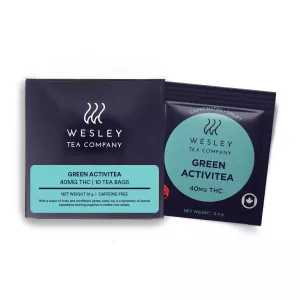
Tea-based cannabis beverages combine two plant medicines, creating sophisticated flavor profiles that highlight both ingredients' natural characteristics. Green tea profiles provide subtle vegetal notes that complement cannabis's herbal character while adding natural caffeine for balanced energy effects. The natural antioxidants in green tea provide additional wellness benefits.
Black tea profiles offer more robust flavors that can stand up to stronger cannabis tastes while providing familiar comfort flavors. Earl Grey profiles incorporate bergamot oil, creating sophisticated citrus complexity that enhances the overall flavor experience. These products often work well as morning beverages, combining caffeine's alertness with cannabis's mood enhancement.
Herbal tea blends, including chamomile, peppermint, and rooibos, create caffeine-free options perfect for evening consumption. These flavors naturally complement cannabis's relaxing effects while providing familiar, comforting taste experiences. The natural compounds in herbal teas may provide synergistic wellness benefits alongside cannabis.
Coffee-infused cannabis beverages represent premium products that combine two beloved plant medicines. Cold brew profiles provide smooth, low-acid coffee flavors that pair well with cannabis's earthiness, while espresso profiles offer intense coffee experiences for serious coffee enthusiasts. These products require careful balancing to ensure both coffee and cannabis flavors remain distinct and enjoyable.
Flavor Masking Techniques
Advanced flavor masking in cannabis beverages employs multiple techniques to eliminate unwanted cannabis tastes while preserving beneficial compounds. Microencapsulation technology wraps cannabis extracts in flavor-neutral coatings, preventing direct contact with taste receptors while ensuring controlled release during digestion. This technique allows formulators to create beverages with zero cannabis taste.
pH manipulation affects both cannabis stability and flavor perception, with many manufacturers optimizing acidity levels to enhance pleasant flavors while minimizing bitter cannabis notes. Natural acids like citric acid and malic acid not only preserve beverages but also enhance fruit flavors while masking unwanted tastes through sensory interactions.
Sweetener selection significantly impacts cannabis flavor masking, with different sweeteners providing varying degrees of masking effectiveness. Natural sweeteners like monk fruit and stevia offer intense sweetness that effectively masks bitter notes, while sugar alcohols like erythritol provide bulk and mouthfeel that creates more satisfying taste experiences.
Flavor layering creates complex taste profiles where multiple flavors work together to mask cannabis taste through sensory overwhelm rather than simple covering. These techniques create beverages where consumers experience evolving flavor profiles throughout consumption, maintaining interest while ensuring cannabis taste never becomes prominent.
Choosing Your Ideal Profile
Selecting the ideal cannabis beverage flavor profile depends on personal taste preferences, intended consumption occasions, and desired effects. Consumers new to cannabis beverages should start with familiar flavors like citrus or berry profiles that offer broad appeal and effective cannabis taste masking. These profiles provide comfortable introduction experiences that encourage continued exploration.
Consider pairing flavor profiles with intended effects and consumption timing. Energizing citrus profiles complement sativa effects for daytime consumption, while calming herbal profiles enhance indica effects for evening relaxation. Matching flavors to desired experiences creates more satisfying overall consumption experiences.
Dietary preferences and restrictions should guide flavor profile selection, with many products offering sugar-free, vegan, or organic options within specific flavor categories. Consumers with food sensitivities should carefully review ingredient lists, as natural flavors may contain allergens not immediately obvious from flavor descriptions.
The sophisticated flavor profiles available in cannabis beverages at BIRCH+FOG demonstrate how far the industry has evolved in creating enjoyable consumption experiences. From tropical escapes to comforting classics, these carefully crafted beverages prove that cannabis consumption can be both effective and delicious. Exploring different flavor profiles helps you discover personal preferences while enjoying the therapeutic benefits of cannabis in convenient, tasty formats that fit seamlessly into modern lifestyles.
Cannabis Beverage Storage Tips
Proper storage of cannabis beverages is essential for maintaining their potency, flavor, and safety. Unlike traditional cannabis flower or concentrates, cannabis beverages present unique storage challenges due to their liquid nature and often complex ingredient profiles. Whether you're storing THC-infused sodas, CBD teas, or balanced hybrid drinks, understanding the science behind proper storage will help you maximize your investment and ensure a consistent experience every time you consume.
Optimal Storage Conditions
Cannabis beverages require specific environmental conditions to maintain their integrity over time. The primary factors affecting storage quality include temperature, light exposure, humidity, and air circulation. Unlike alcohol-based beverages that can withstand room temperature storage, cannabis beverages are more sensitive to environmental fluctuations due to the delicate nature of cannabinoids and terpenes.
The ideal storage environment maintains a consistent temperature between 35-45°F (1.7-7.2°C), minimal light exposure, and low humidity levels. These conditions help prevent the degradation of active compounds while preserving the beverage's intended flavor profile and carbonation levels where applicable. Professional-grade storage solutions like wine refrigerators or dedicated beverage coolers provide the most consistent environment, but proper refrigeration techniques can achieve similar results.
Air circulation plays a crucial role in preventing condensation and maintaining stable conditions. However, direct airflow over containers should be avoided as it can accelerate evaporation and temperature fluctuations. The storage area should be clean, well-ventilated, and free from strong odors that could potentially affect the beverage's taste profile through packaging permeation over extended periods.
Temperature Control
Temperature stability is perhaps the most critical factor in preserving cannabis beverage quality. THC and other cannabinoids are sensitive to heat, with degradation accelerating significantly at temperatures above 70°F (21°C). Exposure to high temperatures not only reduces potency but can also convert THC into CBN, altering the intended effects of the beverage.
Refrigeration at 35-40°F (1.7-4.4°C) is recommended for most cannabis beverages, particularly those containing fruit juices, dairy alternatives, or other perishable ingredients. This temperature range slows down both chemical degradation and microbial growth while maintaining the beverage's refreshing qualities. Carbonated cannabis beverages especially benefit from consistent cool storage, as temperature fluctuations can affect carbonation levels and create an unpleasant drinking experience.
Freezing should be avoided for most cannabis beverages as it can cause separation of emulsified ingredients, destroy carbonation, and potentially damage packaging integrity. However, some concentrate-based beverages may tolerate freezing better than others. Always check manufacturer recommendations before considering freezer storage, and be aware that freezing and thawing cycles can significantly impact both potency and taste.
Temperature monitoring becomes especially important during seasonal changes or when storage locations experience natural temperature variations. Digital thermometers with min/max memory functions can help track temperature stability over time, ensuring your storage environment remains within optimal ranges even when you're not actively monitoring.
Light Protection
Light exposure, particularly ultraviolet (UV) radiation, is one of the most destructive environmental factors for cannabis beverages. UV light breaks down cannabinoids and terpenes through photodegradation, reducing both potency and flavor complexity. Even ambient indoor lighting can contribute to gradual degradation over time, making light protection a critical storage consideration.
Most commercial cannabis beverages come in amber or opaque containers specifically designed to block harmful light wavelengths. However, additional protection during storage can further extend shelf life and maintain product quality. Dark storage areas, such as pantries, basements, or dedicated storage cabinets, provide excellent protection from both natural and artificial light sources.
For beverages in clear or lightly tinted containers, additional light protection becomes essential. Wrapping containers in aluminum foil, storing them in opaque boxes, or using UV-blocking storage bags can provide the necessary protection. Wine storage solutions, such as UV-filtering glass doors or completely enclosed storage compartments, offer professional-level light protection for serious collectors.
LED lighting in storage areas should be chosen carefully, as some LED spectrums can still contribute to cannabinoid degradation. Warm-colored LEDs (3000K or lower) produce less damaging blue light compared to daylight-balanced LEDs. Motion-activated lighting systems can provide necessary illumination for access while minimizing overall exposure time.
Humidity Considerations
While humidity control is less critical for sealed cannabis beverages compared to flower storage, it still plays an important role in maintaining package integrity and preventing condensation-related issues. Optimal storage humidity ranges from 45-55% relative humidity, which helps prevent label degradation, adhesive failure, and metal container corrosion while avoiding excessive dryness that can affect cork or cap seals.
High humidity environments can promote mold growth on external packaging, label peeling, and accelerated deterioration of cardboard packaging materials. In extreme cases, high humidity can compromise container seals, potentially leading to contamination or carbonation loss. Basements, garages, and other naturally humid areas may require dehumidification for optimal storage conditions.
Conversely, extremely low humidity can cause cork closures to dry out and shrink, potentially allowing air infiltration and accelerated oxidation. While most cannabis beverages use metal caps or synthetic closures less susceptible to humidity changes, some premium products may use traditional cork closures that require moderate humidity levels to maintain their seal integrity.
Humidity monitoring tools, such as digital hygrometers, can help maintain awareness of storage conditions. Silica gel packets or other desiccant materials can help control humidity in small storage areas, while larger spaces may benefit from electric dehumidifiers or humidity control systems. Consistent monitoring and adjustment help ensure optimal conditions year-round.
Container Selection
While most cannabis beverages come in manufacturer-selected containers optimized for their specific formulations, understanding container properties can inform storage decisions and help evaluate product quality. Glass containers offer excellent barrier properties against gas transmission and flavor contamination but require careful handling and light protection. Aluminum cans provide superior light protection and are less prone to breakage, making them ideal for carbonated products and portable storage.
Plastic containers, while lightweight and shatter-resistant, can be more permeable to gases and may allow flavor compounds to migrate over time. High-quality plastics like PET (polyethylene terephthalate) offer better barrier properties than standard plastics, but even premium plastic containers may not provide the same long-term protection as glass or aluminum options.
For long-term storage or collection purposes, transferring beverages to smaller containers as you consume them can help minimize air exposure and maintain quality. However, this practice should only be considered for non-carbonated beverages, as transferring carbonated products will result in immediate carbonation loss and potential contamination.
Original packaging should be maintained whenever possible, as manufacturers design their containers specifically for their product formulations. Labels containing important information about potency, ingredients, and expiration dates should be preserved for safety and legal compliance reasons. If additional protection is needed, secondary packaging such as boxes, bags, or wraps can provide extra protection without compromising the original container.
Refrigeration Guidelines
Proper refrigeration technique goes beyond simply placing cannabis beverages in the refrigerator. Optimal placement within the refrigerator can significantly impact storage quality and product longevity. The main refrigerator compartment, typically the most stable temperature zone, is ideal for most cannabis beverages. Door storage should be avoided due to frequent temperature fluctuations from opening and closing.
Beverages should be stored upright when possible to minimize contact between the liquid and closure materials, reducing the risk of flavor contamination or seal degradation. However, some cork-sealed products may benefit from horizontal storage to keep the cork moist and maintain its seal integrity. Manufacturer storage recommendations should always take precedence over general guidelines.
Separation from strong-smelling foods prevents potential flavor contamination through packaging permeation. Items like onions, garlic, or strongly scented cheeses can impart off-flavors to beverages over time, particularly those in plastic containers or with compromised seals. Dedicated beverage storage areas or sealed containers within the refrigerator can provide additional protection.
Refrigerator organization should account for different storage requirements among various products. Carbonated beverages benefit from consistent cool storage and should not be moved frequently between refrigerated and room temperature environments. Non-carbonated products may be more tolerant of temperature variations but still benefit from stable refrigeration for optimal quality retention.
Shelf Life Expectations
Cannabis beverage shelf life varies significantly based on formulation, packaging, and storage conditions. Properly stored, unopened cannabis beverages typically maintain optimal quality for 6-12 months from the manufacturing date, though some products may remain safe and effective for longer periods. Carbonated beverages generally have shorter optimal consumption windows due to gradual carbonation loss over time.
Products containing fresh fruit juices, dairy alternatives, or other perishable ingredients typically have shorter shelf lives compared to those made with artificial flavors and stabilizers. Natural products, while often preferred for health reasons, require more careful storage and earlier consumption to maintain quality and safety standards.
Potency degradation follows predictable patterns under proper storage conditions, with most products losing 10-15% of their cannabinoid content annually. However, improper storage can accelerate this degradation significantly, with heat and light exposure causing dramatic potency losses in weeks rather than months. Temperature abuse, such as storage in hot cars or direct sunlight, can destroy cannabinoid content almost completely.
Visual and sensory inspection can help assess beverage quality beyond labeled expiration dates. Signs of spoilage include unusual odors, color changes, separation, cloudiness in previously clear beverages, or loss of carbonation in fizzy products. When in doubt, it's safer to dispose of questionable products rather than risk consuming degraded or potentially unsafe beverages.
Opened vs Unopened Products
Once opened, cannabis beverages face additional storage challenges due to air exposure, contamination risk, and accelerated degradation. Opened beverages should be consumed within 24-48 hours for optimal quality and safety, similar to conventional beverages with similar formulations. Carbonated products lose their fizz rapidly once opened, making immediate consumption particularly important for maintaining the intended drinking experience.
Resealing opened containers requires careful attention to prevent contamination and minimize air exposure. Original caps or closures should be cleaned before resealing, and containers should be stored upright to minimize surface area exposure to air. Vacuum sealing devices designed for wine bottles can help remove air from opened non-carbonated beverages, extending their viable storage time.
Portion control becomes important when dealing with high-potency products that may not be consumed entirely in one session. Some consumers prefer to divide larger beverages into smaller portions immediately upon opening, sealing unused portions in smaller containers to minimize air exposure. However, this practice requires careful attention to dosing and labeling to prevent accidental overconsumption.
Cross-contamination prevention is crucial when handling opened cannabis beverages. Clean hands, sanitized surfaces, and dedicated serving utensils help prevent introducing bacteria or other contaminants that could spoil the product or pose health risks. Sharing opened beverages should be approached with the same caution as sharing any consumable product.
Common Storage Mistakes
One of the most common storage errors is treating cannabis beverages like alcohol, assuming they can withstand room temperature storage indefinitely. This misconception leads to rapid potency loss and flavor degradation, particularly in warm climates or during summer months. Unlike alcohol, which acts as a natural preservative, cannabis beverages require consistent cool storage to maintain their intended properties.
Freezer storage mistakes are equally problematic, with many consumers assuming freezing will extend shelf life indefinitely. Freezing can damage emulsifications, destroy carbonation, and potentially compromise package integrity. Some containers may crack or burst when frozen, creating safety hazards and product loss. Understanding which products, if any, can tolerate freezing requires careful attention to manufacturer guidelines.
Light exposure often occurs inadvertently through storage in clear containers, display storage, or placement near windows or bright lighting. Even brief periods of direct sunlight can cause measurable cannabinoid degradation, making light protection a constant consideration rather than a one-time setup requirement.
Temperature fluctuation damage often results from moving products between different storage environments or storing them in areas with poor temperature control. Garages, attics, and other spaces subject to seasonal temperature variations can subject beverages to extreme temperature swings that accelerate degradation and compromise quality.
Travel and Transport
Transporting cannabis beverages requires special consideration for both legal compliance and product preservation. Temperature-controlled transport becomes crucial during warm weather, with insulated bags, coolers, or refrigerated transport helping maintain product quality during transit. Even short trips in hot cars can cause significant damage to cannabis beverages.
Legal compliance during transport varies by jurisdiction and requires careful attention to local laws and regulations. Some areas require products to remain in original packaging with labels visible, while others have specific requirements about transport containers or vehicle storage locations. Understanding these requirements prevents legal issues and ensures responsible consumption practices.
Carbonated beverages face additional transport challenges due to pressure sensitivity and potential agitation effects. Gentle handling, upright storage during transport, and allowing products to settle before opening help maintain carbonation levels and prevent messy eruptions upon opening.
Long-distance transport may require specialized shipping considerations, including temperature-controlled shipping methods and compliance with interstate transport regulations where applicable. Professional shipping services experienced with cannabis products can provide guidance on legal and practical requirements for safe product transport.
Proper storage of cannabis beverages represents an investment in product quality, safety, and consumer satisfaction. By understanding the science behind storage requirements and implementing appropriate storage practices, consumers can maximize their enjoyment while ensuring consistent, safe experiences. Whether storing products for immediate consumption or building a collection for future enjoyment, attention to temperature, light, humidity, and handling details makes the difference between optimal and disappointing consumption experiences. The effort invested in proper storage pays dividends in maintained potency, preserved flavors, and reliable effects that match your expectations every time you choose to enjoy a cannabis beverage.
Cannabis Beverage Pairing Ideas
Creating the perfect cannabis beverage experience goes beyond selecting the right product—it's about understanding how different flavors, effects, and occasions work together to enhance your overall enjoyment. The cannabis beverages available at BIRCH+FOG offer diverse flavor profiles and cannabinoid combinations that can be expertly paired with foods, activities, and settings to create memorable experiences. Whether you're planning a relaxing evening at home, hosting friends for dinner, or seeking the perfect complement to your favorite meal, understanding pairing principles will help you maximize the potential of every cannabis beverage in our collection.
Food Pairing Fundamentals
The art of pairing cannabis beverages with food follows similar principles to wine and beer pairing, with the added consideration of how cannabinoids interact with your digestive system and overall experience. The fundamental approach involves either complementing similar flavors or creating interesting contrasts that enhance both the beverage and the food.
When pairing cannabis beverages with food, consider the terpenes present in your chosen beverage, as these aromatic compounds contribute significantly to flavor profiles. Citrus-forward cannabis beverages pair beautifully with light, fresh foods like salads, seafood, and Mediterranean dishes. The bright, uplifting notes create harmony with herbs like basil, mint, and cilantro, while the acidic quality can cut through rich, fatty foods like avocado-based dishes or olive oil-dressed vegetables.
Berry and fruit-flavored cannabis beverages offer versatility in pairing options. Their natural sweetness and tartness complement both savory and sweet applications. Consider pairing these beverages with cheese boards featuring soft, creamy cheeses like brie or goat cheese, where the fruit notes provide a classic flavor bridge. They also work exceptionally well with dark chocolate desserts, nuts, and dishes featuring balsamic reductions or fruit-based sauces.
Herbal and botanical cannabis beverages require more thoughtful pairing due to their complex flavor profiles. These beverages often feature notes of lavender, chamomile, or other herbs that pair naturally with Mediterranean cuisine, roasted vegetables, and dishes featuring similar herb profiles. The earthiness in many of these beverages complements mushroom-based dishes, roasted root vegetables, and hearty grain bowls.
Consider the intensity and potency of your cannabis beverage when selecting food pairings. Higher-potency beverages may benefit from pairing with more substantial foods that can provide grounding and help manage the onset of effects. Light, refreshing cannabis beverages work well as aperitifs with small plates and appetizers, while more robust options complement full meals and dessert courses.
THC Beverage Pairings
THC-dominant cannabis beverages offer unique pairing opportunities that take advantage of the compound's appetite-stimulating and euphoric effects. These beverages work particularly well when paired with foods that enhance the sensory experience and complement the psychoactive journey.
For social gatherings and dinner parties, THC beverages pair excellently with shareable appetizers and finger foods. The social effects of THC enhance conversation and connection, making these beverages perfect companions to cheese and charcuterie boards, tapas-style spreads, or Mediterranean mezze platters. The variety of textures, flavors, and temperatures in these food arrangements provides engaging sensory experiences that complement THC's effects.
When pairing THC beverages with main courses, consider dishes that offer complex flavor profiles and interesting textures. Asian fusion cuisine, with its balance of sweet, salty, spicy, and umami elements, creates fascinating interactions with THC beverages. Think about pairing citrus-forward THC drinks with Vietnamese pho, Korean barbecue, or Thai curries where the beverage's brightness can balance rich, complex flavors.
THC beverages also pair wonderfully with comfort foods and indulgent dishes, particularly during evening consumption. Consider pairing these beverages with homemade pizza, gourmet burgers, or artisanal mac and cheese. The THC can enhance appreciation for rich, satisfying flavors while the familiar comfort foods provide a grounding element to the experience.
For dessert pairings, THC beverages create magical combinations with chocolate-based desserts, fruit tarts, and ice cream. The compound's ability to enhance taste and aroma perception makes every bite more intense and enjoyable. Dark chocolate desserts paired with berry or citrus THC beverages create sophisticated flavor combinations that satisfy both the palate and the psychoactive experience.
Consider the timing of THC beverage consumption when planning food pairings. Since effects can take 30-90 minutes to manifest, plan your meal progression accordingly. Start with the beverage and light appetizers, allowing time for onset while enjoying the social and sensory aspects of the pairing before moving to more substantial courses.
CBD Beverage Pairings
CBD-focused cannabis beverages offer different pairing opportunities, emphasizing relaxation, wellness, and mindful consumption. These beverages work particularly well in settings that promote calm, reflection, and overall well-being.
Morning and brunch pairings with CBD beverages create opportunities for mindful starts to the day. Consider pairing these beverages with light, nutritious breakfast foods like acai bowls, overnight oats, fresh fruit salads, or avocado toast. The CBD's calming effects complement the wholesome, nourishing qualities of these foods, creating a balanced foundation for the day ahead.
CBD beverages pair beautifully with yoga and meditation sessions, making them excellent companions to post-workout meals and recovery foods. Think about pairing these beverages with smoothie bowls, protein-rich salads, quinoa bowls with roasted vegetables, or light soups. The anti-inflammatory properties of CBD complement foods that support physical recovery and overall wellness.
For afternoon and evening relaxation, CBD beverages work wonderfully with herbal teas, light snacks, and foods that promote tranquility. Consider pairing them with chamomile tea and honey, whole grain crackers with almond butter, or herbal cheese spreads with fresh vegetables. These combinations support the beverage's relaxing qualities while providing gentle nourishment.
CBD beverages also excel in spa-like settings and self-care routines. Pair them with foods that support this theme: cucumber water infusions, light salads with fresh herbs, sushi and sashimi, or delicate pastries with herbal infusions. These pairings create cohesive experiences that promote relaxation and mindful consumption.
When hosting wellness-focused gatherings, CBD beverages pair excellently with plant-based cuisine, raw food preparations, and organic, locally-sourced ingredients. The emphasis on natural, clean flavors complements CBD's wellness positioning while creating sophisticated flavor combinations that guests will appreciate.
Hybrid Beverage Pairings
Hybrid cannabis beverages, containing balanced ratios of THC and CBD, offer the most versatile pairing opportunities. These beverages provide the benefits of both cannabinoids, creating experiences that are both relaxing and gently euphoric, making them suitable for a wide range of food pairings and occasions.
Balanced hybrid beverages work exceptionally well with fusion cuisine that combines multiple culinary traditions. Consider pairing these beverages with Korean-Mexican fusion dishes, Mediterranean-Asian combinations, or modern American cuisine that incorporates global influences. The complexity of hybrid effects complements the layered flavors and cultural combinations found in fusion cooking.
For casual entertaining, hybrid beverages pair beautifully with barbecue and outdoor cooking. The balanced effects enhance social interaction while maintaining enough relaxation to enjoy leisurely outdoor meals. Think about pairing these beverages with grilled vegetables, artisanal sausages, wood-fired pizzas, or elevated camping cuisine during outdoor adventures.
Hybrid cannabis beverages also excel when paired with seasonal, farm-to-table cuisine. The balanced cannabinoid profile complements the natural, varied flavors found in seasonal menus. Spring pairings might include fresh asparagus dishes, early greens, and light proteins. Summer combinations could feature stone fruit salads, grilled seafood, and garden-fresh vegetables. Fall pairings work well with root vegetable preparations, hearty stews, and apple-based desserts.
Consider hybrid beverages for wine dinner-style experiences, where multiple courses are carefully planned to complement the beverage's evolving effects. Start with light appetizers that won't interfere with onset, progress through main courses that satisfy increased appetite, and finish with desserts that take advantage of enhanced taste perception.
The versatility of hybrid beverages makes them excellent choices for food and beverage education experiences. Pair them with tasting menus that explore different flavor profiles, cooking techniques, or cultural cuisines. The balanced effects enhance appreciation for culinary craftsmanship while maintaining enough clarity to learn and engage with the educational aspects of the experience.
Occasion-Based Pairing
Different occasions call for different approaches to cannabis beverage pairing, with considerations for setting, timing, guest preferences, and desired outcomes. Understanding how to match your beverage choice and food pairings to specific occasions ensures successful and memorable experiences.
Intimate dinner parties benefit from cannabis beverages that enhance conversation and connection without overwhelming the social dynamics. Choose beverages with moderate potency and pair them with foods that encourage sharing and interaction. Consider family-style dishes, fondue experiences, or progressive tasting menus that keep guests engaged throughout the evening. The key is creating opportunities for meaningful interaction while the beverages enhance the social experience.
Celebration occasions like birthdays, anniversaries, or achievements call for special pairing considerations. Choose cannabis beverages that create festive, euphoric experiences and pair them with indulgent, celebratory foods. Think about pairing with champagne-style appetizers, decadent desserts, or dishes that hold special meaning for the celebration. The goal is elevating the special nature of the occasion while creating lasting positive memories.
Relaxation and self-care occasions require different pairing approaches, focusing on comfort, tranquility, and personal enjoyment. Choose CBD-forward or balanced beverages and pair them with comfort foods that promote relaxation. Consider pairing with warm soups, herbal teas, soft textures like creamy pasta dishes, or nostalgic foods that provide emotional comfort.
Creative and artistic occasions benefit from cannabis beverages that enhance inspiration and sensory perception. Pair these beverages with foods that stimulate the senses and support creative energy. Think about colorful, visually striking dishes, foods with interesting textures, or cuisine that tells stories and sparks imagination. The pairing should support and enhance the creative process rather than becoming a distraction.
Wellness and fitness-focused occasions call for pairings that support physical and mental well-being. Choose beverages with appropriate CBD content and pair them with nutritious, wholesome foods that align with health goals. Consider post-workout recovery meals, anti-inflammatory foods, or light, energizing dishes that complement the wellness focus of the occasion.
Seasonal Pairing Ideas
Seasonal pairing approaches take advantage of natural ingredient availability, weather considerations, and the psychological associations we have with different times of year. Cannabis beverages can be paired with seasonal foods to create experiences that feel perfectly timed and naturally harmonious.
Spring pairing opportunities focus on renewal, fresh flavors, and lighter consumption patterns. Pair citrus-forward cannabis beverages with early spring vegetables like asparagus, peas, and fresh herbs. Consider combinations with spring onions, radishes, and the first strawberries of the season. These pairings celebrate the awakening of the growing season while providing light, energizing experiences that complement longer days and increased outdoor activity.
Summer pairings emphasize refreshment, outdoor dining, and peak growing season abundance. Choose cannabis beverages that provide cooling effects and pair them with summer's bounty: tomatoes, stone fruits, fresh berries, and grilled vegetables. Consider pairing with cold soups like gazpacho, fresh salads with seasonal fruit, or grilled seafood that captures the essence of summer dining. These combinations work particularly well for outdoor entertaining, picnics, and casual summer gatherings.
Autumn pairings draw on harvest themes, warming spices, and the transition toward cooler weather. Pair cannabis beverages with apple and pear dishes, winter squash preparations, and dishes featuring warming spices like cinnamon, nutmeg, and cloves. Consider combinations with hearty grain dishes, roasted root vegetables, and the first comfort foods of the season. These pairings support the cozy, introspective mood that often accompanies autumn weather.
Winter pairings focus on warmth, comfort, and celebration during the darkest months of the year. Choose cannabis beverages that provide warming, comforting effects and pair them with rich, satisfying winter foods. Think about pairings with stews, braises, root vegetable gratins, and warming desserts. Consider holiday-themed pairings that incorporate traditional seasonal flavors like cranberry, pomegranate, and winter herbs.
Seasonal pairing also considers the psychological and emotional aspects of different times of year. Spring pairings might emphasize optimism and renewal, summer combinations could focus on joy and social connection, autumn pairings might support reflection and gratitude, while winter combinations could provide comfort and celebration during challenging months.
Timing Considerations
Successful cannabis beverage pairing requires careful attention to timing, both in terms of when effects manifest and how food consumption affects the overall experience. Understanding these temporal aspects ensures optimal enjoyment and prevents common pairing mistakes.
The onset time for cannabis beverages typically ranges from 30-90 minutes, requiring strategic planning for food service and consumption. Begin with light appetizers or palate-cleansing foods when first consuming the beverage, allowing time for effects to develop before serving more substantial courses. This approach prevents overconsumption while ensuring the food pairing coincides with peak effects.
Consider the duration of effects when planning extended dining experiences. Cannabis beverage effects typically last 4-8 hours, making them suitable for leisurely dinner parties, day-long events, or progressive tasting experiences. Plan multiple food courses that complement different phases of the experience: light starters during onset, substantial mains during peak effects, and satisfying desserts during the sustained phase.
Meal timing also affects how cannabis beverages are absorbed and metabolized. Consuming beverages on an empty stomach may result in faster onset but potentially more intense effects. Pairing with light foods during consumption can moderate absorption while still allowing for full effect development. Heavier meals consumed shortly before cannabis beverages may delay onset and potentially reduce peak effects.
Consider daily timing when planning cannabis beverage experiences. Morning consumption pairs well with light, energizing foods and activities that support productivity and creativity. Afternoon consumption works well with social activities and foods that support relaxation without causing excessive sedation. Evening consumption allows for indulgent pairings and foods that promote relaxation and sleep quality.
Plan for the complete experience duration when scheduling cannabis beverage events. Ensure guests understand the timing commitments and have appropriate transportation arrangements. Provide ongoing food options throughout the experience to support sustained enjoyment and proper nutrition during extended effects periods.
Complementary Activities
Cannabis beverage experiences can be enhanced by pairing with activities that complement both the food choices and the beverage effects. These activity pairings create comprehensive experiences that engage multiple senses and support the desired outcomes from cannabis consumption.
Culinary activities pair naturally with cannabis beverages, creating engaging experiences that take advantage of enhanced taste and aroma perception. Consider hosting cooking classes, wine and food pairing workshops, or progressive tasting dinners where guests can learn about flavor combinations while experiencing the beverages. These activities work particularly well with hybrid beverages that provide both relaxation and maintained focus.
Creative activities benefit from the enhanced sensory perception and creative thinking that cannabis beverages can provide. Pair beverage consumption with art classes, music listening sessions, creative writing workshops, or crafting activities. Choose foods that support sustained creative energy without causing drowsiness: light proteins, complex carbohydrates, and foods rich in omega-3 fatty acids.
Outdoor activities can be enhanced by appropriate cannabis beverage and food pairings. Consider hiking with portable snacks, beach days with refreshing foods, or garden parties with seasonal cuisine. Choose beverages and foods that complement the outdoor setting while providing appropriate energy and hydration for the planned activities.
Wellness activities pair excellently with CBD-forward beverages and supporting foods. Consider yoga sessions followed by light, nourishing meals, meditation retreats with mindful eating components, or spa days with healthy, refreshing foods. These pairings support the wellness goals while creating cohesive experiences that promote overall well-being.
Social activities benefit from cannabis beverages that enhance connection and communication. Game nights, book clubs, discussion groups, and social gatherings can be enhanced by appropriate beverage and food pairings that support the social aspects without overwhelming the primary activities. Choose foods that are easy to consume during activities and beverages that enhance rather than distract from social interaction.
The key to successful activity pairing is ensuring that the cannabis beverage, food choices, and activities all support each other rather than competing for attention. The goal is creating harmonious experiences where each element enhances the others, resulting in memorable and satisfying occasions that showcase the full potential of cannabis beverage consumption.
Mastering the art of cannabis beverage pairing opens up a world of culinary and experiential possibilities that extend far beyond simple consumption. By understanding how different cannabinoid profiles interact with various foods, occasions, and activities, you can create sophisticated experiences that rival traditional wine and spirits pairings. The cannabis beverages available at BIRCH+FOG provide the foundation for these explorations, offering diverse flavor profiles and effect combinations that can be tailored to any occasion or preference. Whether you're planning an intimate dinner party, a wellness-focused gathering, or a creative exploration, thoughtful pairing principles will help you unlock the full potential of every cannabis beverage experience, creating lasting memories and deepening your appreciation for this evolving art form.
Top 10 Cannabis Beverages
Discovering the perfect cannabis beverage can transform your consumption experience, offering precise dosing, delicious flavors, and convenient enjoyment. Our curated countdown showcases the most exceptional cannabis beverages available at BIRCH+FOG, ranked by their unique qualities, consumer appeal, and overall excellence. From refreshing seltzers to sophisticated craft creations, these top selections represent the pinnacle of cannabis-infused beverages in today's market.
10. Sparkling Citrus Seltzers
Sparkling citrus seltzers offer the perfect introduction to cannabis beverages, combining familiar flavors with precise dosing. These light, refreshing options typically feature 2.5-5mg of THC per can, making them ideal for beginners or those seeking mild effects. The effervescent quality helps mask any cannabis taste while providing a crisp, clean finish.
Popular varieties include lime, grapefruit, and lemon combinations that pair beautifully with outdoor activities or social gatherings. The low-calorie formulations appeal to health-conscious consumers who want to enjoy cannabis without heavy sugars or artificial additives.
9. Cold Brew Coffee Infusions
For coffee enthusiasts seeking an elevated morning routine, cannabis-infused cold brew delivers rich, smooth flavor with controlled cannabis effects. These beverages typically contain 5-10mg of THC, providing energizing effects that complement coffee's natural caffeine content. The slow extraction process creates exceptionally smooth coffee that masks cannabis bitterness effectively.
Many formulations include CBD alongside THC, creating balanced effects that reduce anxiety while maintaining alertness. Premium versions feature single-origin beans and artisanal brewing techniques that rival high-end coffee shops.
8. Herbal Tea Blends
Cannabis-infused herbal teas represent centuries of botanical wisdom combined with modern extraction technology. These soothing beverages often feature complementary herbs like chamomile, lavender, or ginger that enhance cannabis's therapeutic properties. Typical dosing ranges from 2.5-7.5mg THC, perfect for evening relaxation or gentle daytime relief.
The tea format allows for customizable strength by steeping time, giving consumers additional control over their experience. Many blends incorporate terpenes that synergize with the herbal ingredients, creating complex flavor profiles and enhanced effects through the entourage effect.
7. Tropical Fruit Punches
Tropical fruit punches transport consumers to paradise with exotic flavor combinations that perfectly complement cannabis's earthy notes. These vibrant beverages feature complex blends of mango, pineapple, passion fruit, and guava, creating naturally sweet profiles that require minimal added sugars. Most formulations contain 5-10mg THC, providing moderate effects suitable for various occasions.
The natural fruit sugars help with cannabis absorption while the tropical flavors create an indulgent drinking experience. Premium versions use real fruit juices and avoid artificial flavoring, resulting in authentic taste that appeals to discerning consumers seeking both quality and potency.
6. Craft Soda Varieties
Craft cannabis sodas elevate the classic soda experience with sophisticated flavor development and precise dosing. These beverages feature unique combinations like black cherry vanilla, blood orange cardamom, or cucumber mint that showcase creative flavor artistry. Dosing typically ranges from 5-15mg THC, accommodating both newcomers and experienced consumers.
The carbonation enhances flavor delivery while potentially accelerating onset times compared to still beverages. Many craft sodas use natural sweeteners and avoid high fructose corn syrup, appealing to consumers seeking healthier alternatives to traditional sodas with added cannabis benefits.
5. Lemonade and Citrus Coolers
Cannabis lemonades and citrus coolers represent the perfect balance of tart and sweet, creating refreshing beverages that excel in warm weather. These classic flavors provide familiar comfort while delivering consistent cannabis effects, typically ranging from 5-12mg THC per serving. The citric acid naturally complements cannabis while potentially enhancing absorption.
Premium versions feature fresh-squeezed citrus juices and organic sweeteners, avoiding the artificial taste common in mass-produced alternatives. Many formulations include electrolytes for hydration benefits, making them ideal for active lifestyles or recovery situations.
4. Energy Drink Formulations
Cannabis energy drinks combine natural stimulants with controlled THC doses, creating unique beverages for active consumers. These formulations typically include green tea extract, B-vitamins, and adaptogenic herbs alongside 5-10mg THC, providing sustained energy without traditional energy drink crashes. The combination creates focused alertness with cannabis's creative and euphoric benefits.
Many versions incorporate CBD to balance THC's effects while adding ingredients like ginseng or rhodiola for additional wellness benefits. The result is clean, sustained energy that enhances productivity, creativity, and physical performance without anxiety or jitters.
3. Premium Botanical Waters
Botanical waters represent the sophisticated end of cannabis beverages, featuring subtle herbal infusions and pristine water sources. These minimalist beverages typically contain 2.5-7.5mg THC alongside carefully selected botanicals like rose petals, elderflower, or hibiscus. The clean, subtle flavors appeal to consumers seeking elegant cannabis consumption without heavy flavors or calories.
Many premium botanical waters use alkaline water and natural spring sources, emphasizing purity and clean taste. The gentle dosing and refined presentation make these beverages perfect for professional settings or sophisticated social occasions where discretion and elegance are priorities.
2. Artisan Mocktail Collections
Artisan cannabis mocktails bring cocktail culture to cannabis consumption with sophisticated flavor profiles and professional presentation. These premium beverages feature complex recipes inspired by classic cocktails like Moscow mules, mojitos, or margaritas, typically containing 5-15mg THC for versatile dosing. The craftsmanship rivals high-end cocktail bars with fresh herbs, premium mixers, and innovative flavor combinations.
Many collections offer multiple varieties that pair with different occasions, from brunch-appropriate bellini styles to evening-focused old-fashioned interpretations. The attention to detail in flavor development and presentation elevates cannabis consumption to luxury experiences that impress even non-cannabis consumers.
1. Signature Craft Beverages
Signature craft beverages represent the pinnacle of cannabis beverage innovation, featuring unique formulations, premium ingredients, and exceptional attention to quality. These limited-edition or flagship products showcase brands' expertise through innovative flavor combinations, precise dosing options (typically 2.5-20mg THC), and superior production methods. Each beverage tells a story through carefully curated ingredients and distinctive presentation.
These premium offerings often incorporate rare or exotic ingredients, sustainable packaging, and artisanal production methods that justify their position at the top of cannabis beverage hierarchy. The combination of exceptional taste, consistent effects, and brand prestige makes signature craft beverages the ultimate choice for discerning consumers seeking the finest cannabis drinking experiences. Whether featuring single-origin botanicals, innovative extraction methods, or unique strain-specific formulations, these beverages represent cannabis consumption at its most refined and enjoyable.
This countdown showcases the diversity and quality available in today's cannabis beverage market, from approachable seltzers to sophisticated craft creations. Each category offers unique benefits, allowing consumers to find perfect matches for their preferences, tolerance levels, and consumption occasions. The evolution of cannabis beverages continues advancing, bringing new innovations and refined experiences that elevate cannabis consumption beyond traditional methods.