


Capsules For Pain
Targeted Relief: Clinical Capsules For Pain

Pharmaceutical-grade comfort and recovery

Don't forget to check out the Weekly Deals from BIRCH+FOG!

Woman applying cream on her back, with white pills placed nearby.

Capsules for Pain

Capsules for pain deliver 4-8 hours of sustained relief without addiction risks.

Showing 1–10 of 10 results

Capsules for Pain: Your Complete Guide to Cannabis Pain Relief

When chronic discomfort disrupts your daily life, capsules for pain offer a precise, discreet solution that works with your body's natural healing systems. Unlike topical creams that only reach surface tissues or unpredictable smoking methods, pain relief capsules deliver consistent therapeutic doses exactly where you need them most. Whether you're battling arthritis flares, chronic back pain, or post-injury inflammation, the right capsule formula can provide 4-8 hours of sustained relief without constant redosing. 💊

What Are Capsules for Pain

Cannabis-Based Pain Management in Measured Doses

How Pain Capsules Differ from Traditional Medication

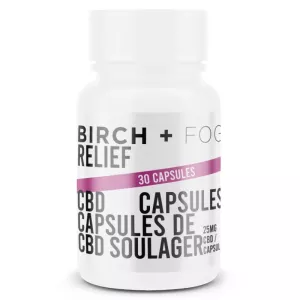
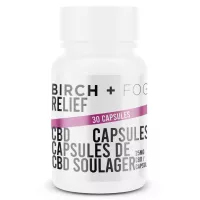
Capsules for pain contain precisely measured amounts of therapeutic cannabinoids like CBD, CBG, or THC specifically formulated to target pain and inflammation pathways. Unlike pharmaceutical painkillers that merely mask symptoms, these capsules work with your endocannabinoid system to address pain at its source. Each capsule guarantees the same therapeutic dose every time, eliminating guesswork and ensuring consistent relief. The Relief CBD Capsules 25mg x 30pcs - BIRCH+FOG $35.00 delivers 25mg of CBD per capsule for reliable everyday pain management. What makes pain capsules revolutionary is their sustained-release profile – one dose provides 4-8 hours of relief compared to traditional painkillers that often wear off within 2-4 hours, requiring frequent redosing throughout the day. 🎯

How Do Pain Capsules Work in Your Body

The Science Behind Cannabinoid Pain Relief

Absorption Timeline and Duration of Effects

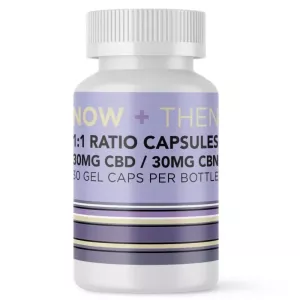
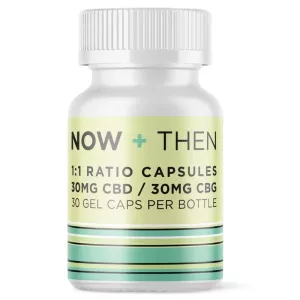
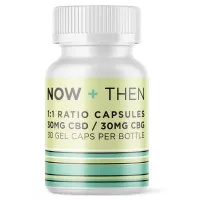
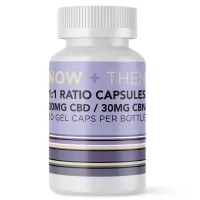
Pain capsules work through your digestive system, where cannabinoids are absorbed into your bloodstream and distributed throughout your body's pain-processing networks. Once active, compounds like CBD bind to CB1 and CB2 receptors in your endocannabinoid system, reducing inflammatory signals and modulating how your brain perceives pain. This process typically begins 30-90 minutes after consumption, but the effects last significantly longer than other methods. The Pain Capsules 60mg CBD : CBG x 30caps - NOW+THEN $65.00 combines 30mg CBD with 30mg CBG for enhanced pain relief, targeting both inflammatory and neuropathic pain pathways simultaneously. The liver's steady processing of these compounds maintains therapeutic blood levels for hours, providing consistent relief rather than the dramatic peaks and valleys associated with smoking or vaping methods. ⚡

Types of Capsules for Pain Available

Single Cannabinoid vs Multi-Compound Formulations

Full-Spectrum vs Isolate Pain Relief Options

The modern pain relief landscape offers diverse capsule formulations, each targeting specific pain mechanisms and user needs. CBD capsules dominate the market for general anti-inflammatory pain relief without psychoactive effects. CBG capsules excel at nerve pain and muscle tension, while CBD:CBN combinations address pain that disrupts sleep patterns. Full-spectrum formulas harness multiple cannabinoids working synergistically through the entourage effect, while isolate capsules provide pure compounds for users with sensitivity concerns or drug testing requirements.

  • 🌿 CBD-Dominant Capsules: Anti-inflammatory relief for arthritis, injuries, chronic aches
  • 💪 CBG-Enhanced Formulas: Muscle spasms, nerve pain, tension headaches
  • 😴 CBD:CBN Sleep Blends: Nighttime pain relief with sleep support
  • 🎯 Balanced Ratio Capsules: Comprehensive multi-pathway pain management
  • 🧪 Pure Isolate Options: Single compounds for sensitive users
Best Capsules for Chronic Pain Conditions

Matching Capsule Types to Specific Medical Conditions

Long-Term Management vs Acute Pain Episodes

Chronic pain conditions require sustained therapeutic approaches that traditional medications often fail to provide safely. Capsules for chronic pain offer consistent relief without the tolerance buildup or organ damage associated with long-term pharmaceutical use. The Sleep Capsules 60mg CBD : CBN x 30caps - NOW+THEN $45.50 proves particularly effective for chronic pain that disrupts sleep, combining 30mg CBD with 30mg CBN for both pain relief and restorative rest. Research indicates that cannabinoids don't simply mask chronic pain signals – they help regulate the underlying inflammatory processes that perpetuate long-term discomfort. Regular use of quality pain capsules can reduce baseline pain levels over months, allowing many users to decrease their dependence on opioids or NSAIDs. 🔄

CBD vs CBG Capsules for Pain Relief

CBD's Proven Anti-Inflammatory Pain Benefits

CBG's Unique Advantages for Nerve and Muscle Issues

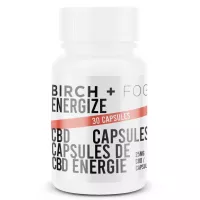
While CBD dominates pain relief discussions, CBG capsules offer distinct therapeutic advantages for specific discomfort types. CBD excels at inflammation-based pain like arthritis, injury recovery, and autoimmune conditions through its CB2 receptor interactions. CBG demonstrates unique efficacy for neuropathic pain, muscle tension, and conditions involving nerve hypersensitivity. The Energize CBD Capsules 25mg x 30pcs - BIRCH+FOG $35.00 provides energizing CBD benefits for daytime pain management without sedation. Many users report that CBG delivers more immediate muscle relaxation effects, while CBD provides longer-lasting anti-inflammatory relief. Combination formulas leverage both compounds' strengths – CBD handles inflammation while CBG addresses muscular and neurological pain components simultaneously. 🧬
Capsules for Pain Dosing Guide

Starting Doses for Different Pain Severity Levels

Optimal Timing and Frequency Strategies

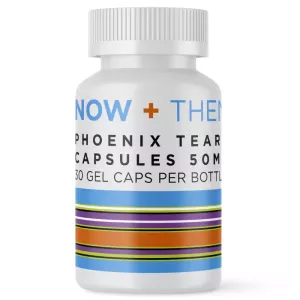
Effective pain management begins with identifying your minimum effective dose – the smallest amount providing meaningful relief without unwanted effects. Most users start with 10-25mg of cannabinoids once or twice daily, depending on pain intensity and duration patterns. The Phoenix Tears 30 Day Program PHASE 1 - NOW+THEN $506.66 offers a structured introduction to higher-dose pain management for serious conditions. For chronic pain, consistent daily dosing typically outperforms reactive "as-needed" approaches. Consider morning doses to establish baseline comfort, adding evening capsules if pain interferes with sleep quality. Remember that capsules require 30-90 minutes to activate, so strategic timing prevents pain breakthrough periods during predictable flare patterns. 📊

  1. 🚀 Week 1-2: Begin with 10-15mg once daily to assess individual response
  2. 📈 Week 3-4: Increase to 20-25mg daily or split into morning/evening doses
  3. 🎯 Month 2: Fine-tune timing based on personal pain patterns and lifestyle
  4. ⚖️ Maintenance: Maintain lowest effective dose, increase only during flares
  5. 🔄 Periodic Assessment: Monthly evaluation prevents tolerance and optimizes benefits

Capsules for Arthritis and Joint Pain

Anti-Inflammatory Mechanisms for Joint Health

Managing Arthritis Flares with Preventive Dosing

Capsules for arthritis target the inflammatory cascade driving joint pain, stiffness, and tissue damage. Unlike NSAIDs that can cause gastrointestinal irritation with chronic use, cannabinoid capsules provide anti-inflammatory benefits through endocannabinoid pathways without harsh side effects. The Sleep Capsules 60mg CBD : CBN x 30caps - NOW+THEN $45.50 offers dual-action relief that many arthritis sufferers find superior to traditional pharmaceutical options. For rheumatoid arthritis, osteoarthritis, and inflammatory joint conditions, preventive daily dosing helps maintain baseline comfort while providing enhanced relief during acute flares. Consistent capsule use can interrupt the inflammatory cycle before joint damage progresses, potentially slowing disease progression. Morning doses work exceptionally well for arthritis since joint stiffness typically peaks after overnight inactivity periods. 🦴
Are Capsules for Pain Safe Long-Term

Safety Profile Compared to Pharmaceutical Painkillers

Potential Drug Interactions and Medical Precautions

Pain capsules demonstrate excellent long-term safety profiles, especially compared to opioid medications or chronic NSAID use. CBD and CBG capsules don't cause physical dependence, organ toxicity, or the dangerous tolerance escalation associated with prescription painkillers. The Phoenix Tears 60 Day Program PHASE 2 - NOW+THEN $1,013.33 provides therapeutic-grade pain management without addiction risks or withdrawal concerns. However, cannabinoids can interact with certain medications, particularly blood thinners and anti-seizure drugs, by affecting hepatic enzyme systems that metabolize other pharmaceuticals. Most users experience minimal side effects – typically mild drowsiness or dry mouth when doses exceed optimal ranges. Quality sourcing remains crucial since reputable manufacturers provide comprehensive third-party lab testing for potency, purity, and contaminant screening, while inferior products may contain heavy metals, pesticides, or inaccurate cannabinoid levels. ✅
Discovering the right capsules for pain transforms chronic discomfort from a daily burden into a manageable aspect of life. Whether you choose CBD for inflammatory conditions, CBG for nerve-related pain, or combination formulas for comprehensive relief, consistent therapeutic dosing with premium products can restore the comfort and mobility you deserve. Start conservatively, respect the timing requirements, and collaborate with healthcare providers to integrate capsules into your complete pain management strategy. Your journey to sustained relief begins with that first perfectly measured dose. 🌟


Frequently Asked Questions

How long do capsules for pain take to work?

Capsules for pain typically begin working within 30-90 minutes since they must be digested and absorbed through your digestive system. Effects usually last 4-8 hours, providing sustained relief compared to faster-acting but shorter-duration consumption methods.

What's the difference between CBD and CBG capsules for pain?

CBD capsules excel at reducing inflammation-based pain like arthritis and injuries through CB2 receptor interactions, while CBG capsules target nerve pain and muscle tension more effectively. Many users find combination formulas provide the most comprehensive multi-pathway pain relief.

Are capsules for pain safe to take daily?

Cannabis-based pain capsules are generally safe for daily long-term use and don't cause the dependency or organ damage associated with opioid painkillers. However, they can interact with blood thinners and seizure medications, so consult your healthcare provider before starting regular use.

What dose of capsules for pain should I start with?

Most people start with 10-25mg of cannabinoids once or twice daily for pain management. Begin with the lowest dose that provides relief and gradually increase every few days until you achieve adequate pain control without unwanted side effects.

Can capsules for pain help with chronic conditions like arthritis?

Yes, pain capsules are particularly effective for chronic inflammatory conditions like arthritis, fibromyalgia, and chronic back pain. Regular daily dosing helps maintain baseline comfort and can reduce overall inflammation levels over time.

Do capsules for pain show up on drug tests?

Full-spectrum pain capsules may contain trace amounts of THC that could potentially trigger positive drug tests. If drug testing is a concern, choose THC-free isolate products or consult with your employer about CBD use policies.

How do capsules for pain compare to topical pain creams?

Pain capsules provide whole-body, long-lasting relief lasting 4-8 hours that's ideal for chronic or widespread pain, while topicals offer targeted, faster-acting relief for localized areas. Many users combine both methods for comprehensive pain management strategies.

Are capsules for pain better than traditional painkillers?

Pain capsules work with your endocannabinoid system to address pain at its source rather than simply masking symptoms. They don't cause the tolerance, dependency, or organ damage associated with opioids and NSAIDs, making them safer for long-term chronic pain management.

Popular Categories

Canada's #1 Online Cannabis Dispensary: Over 600 Premium Products with Daily Deals

Learn More About Capsules For Pain

Pain Capsules 101: Your Friendly Guide to Capsules for Pain Relief

If you've been exploring natural options for managing discomfort, you've probably come across the growing world of cannabis-derived capsules designed specifically for pain. The good news? You don't need a chemistry degree to understand how they work or why so many Canadians are turning to them as part of their wellness routine 🌿. This guide walks you through the essentials — what pain capsules actually are, how they interact with your body, and what to look for when browsing the Birch+Fog collection. Think of this as your starting line; the other tabs in this series dive deeper into types, dosing, safety, and how to choose exactly the right product for your needs.

What Are Capsules for Pain?

The simplest way to think about pain capsules. Capsules for pain are pre-measured, oral cannabinoid doses sealed inside a digestible shell — typically a softgel or veggie cap. Unlike smoking or vaping, they pass through your digestive system, which means the active compounds are metabolized by your liver before entering the bloodstream. This produces a slower onset (usually 45 minutes to 2 hours) but a significantly longer duration of effect, often lasting 6–8 hours. That extended window is exactly why so many people dealing with chronic or recurring pain prefer capsules over faster-acting methods 💊.

Why the capsule format matters for pain management specifically. Consistency is everything when you're trying to stay ahead of pain rather than chasing it. Each capsule contains a precisely measured amount of CBD, CBG, THC, or a combination of cannabinoids — no guesswork, no measuring droppers, no variability between doses. You swallow one capsule and know exactly what you're getting every single time. For people building a daily pain-management protocol, that reliability is genuinely life-changing.

How Capsules for Pain Work in Your Body

The endocannabinoid system is the key player here. Your body already has a built-in network called the endocannabinoid system (ECS), which regulates pain signaling, inflammation, mood, and sleep — basically all the things that get disrupted when you're dealing with persistent discomfort. Cannabinoids like CBD and CBG interact with CB1 and CB2 receptors throughout this system. CBD is well-documented for modulating inflammatory pathways and dampening pain signals without producing intoxication, while CBG has emerged as a powerful complement that targets neuroinflammation and muscular tension through slightly different mechanisms 🧬. When you swallow a capsule, these compounds are absorbed through the gut lining, processed by the liver (a step called first-pass metabolism), and then distributed systemically. The result is a whole-body effect that works from the inside out rather than targeting just one localized spot.

Why onset is slower but relief runs deeper. Because capsules must be digested before their contents reach your bloodstream, you won't feel results as quickly as you would with a sublingual oil or an inhaled product. However, the trade-off is substantial: the liver converts some cannabinoids into more potent metabolites (11-hydroxy-THC in the case of THC-containing products, for example), and the gradual absorption creates a sustained plateau of relief rather than a sharp spike and drop. For pain that lingers — think joint stiffness, nerve discomfort, post-workout soreness, or chronic inflammatory conditions — that slow-release profile is exactly what most people need 🕐.

Who Should Consider Capsules for Pain Relief?

Capsules for pain suit a wide range of people and lifestyles. Whether you're an active person dealing with exercise-related inflammation, someone navigating arthritis or fibromyalgia, or you simply want a discreet daily supplement that won't draw attention at the office, capsules fit naturally into almost any routine. They're odourless, tasteless, and completely portable — toss a bottle in your bag and you're set for the week. They're also an excellent entry point for anyone who's curious about cannabinoid-based pain relief but uncomfortable with smoking, vaping, or even the earthy taste of oils. If discretion, precision, and long-lasting relief are your priorities, capsules are almost certainly the right format for you 🎯.

Non-intoxicating options exist for daytime use. One of the biggest misconceptions is that all cannabis products will get you high. Capsules built around CBD and CBG — like the ones available here at Birch+Fog — deliver meaningful pain relief without any psychoactive effects whatsoever. That means you can take one before work, before driving, or before a family dinner without worrying about impairment. It's pain management that fits your life, not the other way around.

What Makes CBD : CBG Capsules for Pain Different?

The concept of the "entourage effect" applied to pain. Emerging research suggests that cannabinoids work better together than in isolation — a phenomenon scientists call the entourage effect. That's the principle behind ratio capsules that combine CBD with CBG in deliberate proportions. CBD excels at reducing systemic inflammation and calming overactive pain receptors, while CBG brings its own anti-inflammatory and neuroprotective properties to the table. Together, they cover more pathways than either compound could alone. The Pain Capsules 60mg CBD : CBG x 30caps - NOW+THEN $65.00 from NOW+THEN is a perfect example of this approach: each capsule delivers a balanced 30mg CBD + 30mg CBG dose, giving you that double-barrel synergy in a single, convenient cap ✨. With 30 capsules per bottle, it's designed for a full month of daily use — or longer if you're using them on an as-needed basis.

  • 💊 Precise dosing: 60mg total cannabinoids per capsule (30mg CBD + 30mg CBG), eliminating guesswork
  • 🧪 Ratio formulation: 1:1 CBD-to-CBG ratio leverages the entourage effect for broader pain pathway coverage
  • 🚫 Non-intoxicating: Zero THC-driven high, making these suitable for any time of day
  • ⏱️ Extended relief: Oral ingestion provides 6–8 hours of sustained comfort per dose
  • 🌱 Discreet and portable: No odour, no preparation, no accessories needed — just swallow and go
  • 📅 Built for routine: 30-count bottle aligns perfectly with a once-daily pain management protocol

Getting Started with Capsules for Pain

Begin low and build from there. Even if you're experienced with other cannabis products, oral capsules metabolize differently, so it's always smart to start with a single capsule and observe how your body responds over the first couple of hours. Many people find that one 60mg CBD : CBG capsule is their sweet spot for all-day relief, while others prefer to split their intake — one in the morning and one in the evening — for around-the-clock coverage. The beauty of capsules is that scaling your dose up or down is effortless: you're simply adding or subtracting a unit rather than eyeballing a dropper 📏. Keep a simple journal for the first week or two noting when you took your capsule, when you felt onset, and how your pain levels shifted. That data becomes incredibly valuable for dialling in your personal protocol.

Pair with smart lifestyle habits for best results. Capsules for pain work best as part of a holistic approach. Taking them with a small amount of healthy fat — a spoonful of peanut butter, a handful of nuts, or an avocado toast — can significantly improve bioavailability, meaning more of the active cannabinoids actually make it into your bloodstream. Staying hydrated, maintaining consistent sleep patterns, and incorporating gentle movement like stretching or walking all amplify the anti-inflammatory benefits you're already getting from CBD and CBG. Think of your capsule as the anchor of your pain-management toolkit, not the entire toolkit itself 🛠️.

Understanding the basics of how capsules for pain work is the first step toward making a confident, informed choice. Now that you know what these products are, how they interact with your body, and why the CBD : CBG ratio approach is earning such a loyal following, you're ready to explore the deeper details. Head to the next tabs to compare capsule types, learn precise dosing strategies, and discover the quality markers that separate exceptional products from mediocre ones. Your path to more comfortable days starts right here at Birch+Fog 💚.

Types of Pain Capsules

Not all pain capsules are created equal — and that's actually great news 🎉. Depending on what's causing your discomfort, how intense it is, and what kind of relief timeline you're after, there's a specific type of capsule built for the job. At Birch+Fog, we carry several distinct formulations, each designed around different cannabinoid profiles and therapeutic goals. This tab breaks down every type we stock so you can zero in on the right match for your body and your pain.

What Are the Different Types of Capsules for Pain

The landscape of pain capsules spans three primary categories: CBD-dominant, THC-dominant, and ratio blends. CBD-dominant capsules target inflammation and nerve-related discomfort without producing a psychoactive high, making them ideal for daytime use and for people who need to stay sharp at work or behind the wheel. THC-dominant options — particularly structured Phoenix Tears programs — deliver powerful full-spectrum relief intended for chronic or severe conditions where lighter formulations simply aren't enough. Ratio capsules split the difference, combining multiple cannabinoids like CBD and CBN to address pain alongside related symptoms such as insomnia or anxiety. Understanding which category fits your situation is the single most important step before you add anything to your cart. Each type interacts with your endocannabinoid system differently, activating distinct receptor pathways that produce unique relief profiles — from localized anti-inflammatory action to deep, whole-body relaxation that quiets even persistent pain signals.

How CBD Capsules for Pain Work Differently Than THC

CBD capsules for pain operate primarily through indirect modulation of your CB2 receptors and inflammatory pathways 🌿. Rather than binding directly to the same receptors THC targets, full-spectrum CBD influences enzymes and signaling molecules that govern your body's inflammatory response. This makes CBD capsules particularly effective for joint stiffness, tension headaches, exercise-related soreness, and mild-to-moderate chronic pain conditions. The Relief CBD Capsules 25mg x 30pcs - BIRCH+FOG $35.00 from our house line deliver 25mg of full-spectrum CBD per capsule — a well-calibrated dose that provides meaningful anti-inflammatory relief without any psychoactive effects or drowsiness. The key advantage of CBD-only capsules is consistency and usability throughout your entire day. You can take one before a morning meeting, after a workout, or alongside your evening routine without worrying about impairment. For people whose pain is rooted in inflammation — think arthritis, repetitive strain, or post-exercise recovery — CBD capsules often deliver exactly the targeted relief needed, and at $30 for a full 30-day supply, they represent one of the most accessible entry points into cannabinoid-based pain management.

Best Ratio Capsules for Pain and Sleep

When pain disrupts your sleep — or poor sleep amplifies your pain — ratio capsules break the cycle from both directions 🌙. The Sleep Capsules 60mg CBD : CBN x 30caps - NOW+THEN $45.50 pair 30mg of CBD with 30mg of CBN in each capsule, creating a synergistic formula that addresses nighttime pain and insomnia simultaneously. CBN is a naturally occurring cannabinoid known for its gentle sedative properties, and when combined with CBD's anti-inflammatory action, the result is a capsule that helps your body relax deeply enough to both manage discomfort and fall into restorative sleep. This is especially valuable for anyone whose pain worsens at night when distractions fade and nerve signals seem louder. Ratio capsules represent the "best of both worlds" approach — combining cannabinoids that individually help with pain but together create something greater than the sum of their parts. The entourage effect produced by CBD and CBN working in concert means you often need less of each cannabinoid to achieve the same relief you'd get from a higher single-cannabinoid dose. At 60mg total cannabinoids per capsule with 30 capsules per jar, this is a month-long sleep-and-pain protocol in one bottle.

High-Dose Phoenix Tears Capsules for Chronic Pain

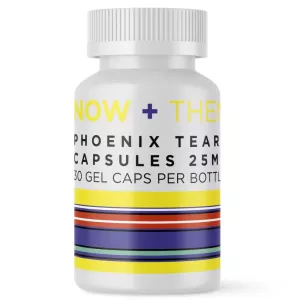
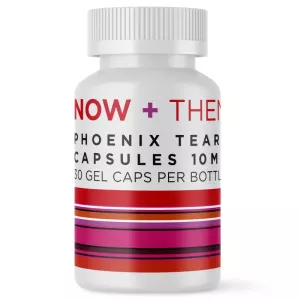
For serious, persistent pain that hasn't responded to lighter formulations, Phoenix Tears programs offer a structured path to high-dose THC therapy 🔥. Phoenix Tears — also known as Rick Simpson Oil — are concentrated, full-spectrum cannabis extracts with very high THC content, traditionally associated with intensive therapeutic protocols. Birch+Fog carries these as guided multi-phase programs rather than standalone products, because responsible high-dose THC use requires gradual tolerance building. The Phase 1 program spans 30 days of carefully increasing doses, allowing your body to adapt without overwhelming side effects, while Phase 2 extends to 60 days at full therapeutic levels. These programs aren't casual wellness supplements — they're intentional, commitment-level protocols designed for people dealing with significant chronic pain, neuropathy, or conditions where conventional treatments have fallen short. The THC-dominant profile means powerful analgesic action through direct CB1 receptor activation, producing both pain signal interruption and the deep physical relaxation that chronic pain sufferers often desperately need. Because of the intensity and cost investment involved, Phoenix Tears programs are best suited for experienced cannabis users or those working alongside a healthcare provider.

  • 💊 CBD-Dominant (Relief Capsules): 25mg full-spectrum CBD — best for inflammation, joint pain, headaches, and daytime use without impairment
  • 🌙 CBD:CBN Ratio (Sleep Capsules): 30mg CBD + 30mg CBN — ideal for nighttime pain relief combined with natural sleep support
  • 🔥 High-Dose THC (Phoenix Tears Phase 1): Graduated 30-day program — structured for chronic or severe pain requiring intensive cannabinoid therapy
  • High-Dose THC (Phoenix Tears Phase 2): Extended 60-day program — full therapeutic doses for advanced, committed protocols
  • 🧠 CBD Energy (Energize Capsules): 25mg CBD with natural energizers — supports pain-adjacent fatigue and brain fog without sedation

Choosing Between Capsule Types for Your Pain Needs

The right capsule type ultimately depends on three factors: your pain severity, when you need relief, and your experience level with cannabis 🎯. If you're new to cannabinoid pain management or dealing with mild-to-moderate inflammation, start with CBD-dominant capsules — they're affordable, non-intoxicating, and effective for a wide range of everyday discomfort. If your pain intensifies at night or disrupts your sleep, the CBD:CBN ratio capsules address both problems in a single dose. And if you've tried lighter options without sufficient relief, or you're managing a serious chronic condition, the Phoenix Tears programs provide the highest-potency pathway available. There's no single "best" type — only the best type for where you are right now in your pain management journey. Many Birch+Fog customers actually rotate between types depending on the day: CBD capsules during work hours, ratio capsules before bed, and reserving high-dose options for flare-ups or structured healing periods. The beauty of having distinct formulations in your toolkit is flexibility — you can match your capsule to your moment rather than forcing one product to handle every situation. Whatever you choose, you're working with clean, lab-tested formulations from our house brands that prioritize both potency and purity 💚.

Benefits & Relief Effects of Capsules for Pain

If you've been exploring cannabis options for managing discomfort, you've probably noticed that capsules keep coming up as a top recommendation — and for good reason 💊. Capsules for pain offer a uniquely controlled, long-lasting, and discreet way to tap into the therapeutic potential of cannabinoids like THC and CBD. This tab is all about what these capsules actually do once they're in your system — the specific relief effects, the surprising secondary benefits, and why so many people dealing with persistent pain are making the switch from other consumption methods. Whether you're navigating joint stiffness, nerve pain, post-workout soreness, or something more complex, understanding these benefits will help you choose the right capsule from BIRCH+FOG's pain-focused collection with real confidence.

How Capsules for Pain Deliver Full-Body Relief

Systemic absorption means whole-body coverage, not just spot treatment. When you swallow a cannabis capsule, it passes through your digestive system and is metabolized by the liver — a process called first-pass metabolism. During this process, THC is converted into 11-hydroxy-THC, a metabolite that crosses the blood-brain barrier more efficiently and tends to produce deeper, more pervasive relief than inhaled cannabis. This is why people dealing with widespread conditions like fibromyalgia, arthritis, or generalized chronic pain often report that capsules provide a more thorough sense of relief compared to smoking or vaping, which can feel more localized or fleeting. The result is a slow-building wave of comfort that reaches muscles, joints, and nerves simultaneously. Rather than targeting one area the way a topical might, capsules for pain work from the inside out, addressing the inflammatory and neurological components of pain at a systemic level. Many customers at BIRCH+FOG choose capsules specifically because they want that all-encompassing relief without having to layer multiple products throughout the day 🌿.

Capsules for Pain — Benefits Beyond Physical Discomfort

Pain rarely exists in isolation — and neither do the benefits of a good capsule. One of the most underappreciated advantages of capsules for pain is the way they address the entire ecosystem of symptoms that chronic pain creates. Persistent discomfort fuels anxiety, disrupts mood, saps motivation, and makes concentration nearly impossible. The cannabinoids in well-formulated pain capsules interact with your endocannabinoid system to modulate not just pain signaling but also stress response, emotional regulation, and appetite — all of which tend to suffer when you're hurting. Think of it as treating the ripple effects, not just the source. A balanced THC-CBD capsule, for example, might ease your lower back tension while simultaneously lifting that heavy fog of frustration and fatigue that's been hovering over your week. Customers browsing BIRCH+FOG's pain capsule category frequently tell us they were surprised by how much their overall quality of life improved, not just their pain scores 😌. This holistic benefit profile is something that purely pharmaceutical painkillers rarely deliver without significant side effects.

Why Capsules for Pain Offer Longer-Lasting Effects Than Smoking

Duration is one of the biggest practical wins for capsule users. Inhaled cannabis typically delivers relief within minutes but fades within one to three hours. Capsules for pain take longer to kick in — usually 45 minutes to two hours depending on your metabolism and whether you've eaten — but the effects can last anywhere from four to eight hours, and sometimes longer. For anyone managing pain that persists throughout the day or disrupts sleep, that extended window is transformative. Instead of constantly re-dosing, you can take a capsule in the morning and feel supported well into the afternoon, or take one before bed and sleep through without the pain waking you at 3 a.m. This extended duration also means steadier blood levels of cannabinoids. The peaks and valleys you get from smoking — that quick rush followed by a rapid decline — are replaced by a more gradual curve. Steadier blood levels translate to more consistent pain management, fewer breakthrough episodes, and a more predictable experience overall. For people who need reliability from their pain management routine, this matters enormously ⏳.

Best Capsules for Pain with Chronic Inflammation

Inflammation is at the root of most persistent pain conditions, and the right capsule targets it directly. Whether you're dealing with osteoarthritis, autoimmune flare-ups, repetitive strain injuries, or post-surgical recovery, inflammation is the engine driving your discomfort. Both THC and CBD have demonstrated anti-inflammatory properties, but they work through different pathways — THC primarily through CB1 and CB2 receptor activation, and CBD through modulation of immune cell behavior and reduction of pro-inflammatory cytokines. Capsules that combine both cannabinoids, or that incorporate additional anti-inflammatory compounds like terpenes such as beta-caryophyllene or full-spectrum extracts, tend to deliver the most noticeable relief for inflammatory pain. Here's a quick look at the key benefits capsules for pain bring to inflammation-driven conditions:

  • 🔥 Reduced swelling: Cannabinoids help regulate the immune response that causes tissues to swell around injured or inflamed joints
  • 🛡️ Neuroprotective support: CBD in particular may help protect nerve tissue from the damage that chronic inflammation can cause over time
  • 🌙 Overnight recovery: Taking a capsule before bed allows anti-inflammatory compounds to work during your body's natural repair cycle
  • ⚖️ Balanced ratios for daytime use: CBD-dominant or 1:1 THC-CBD capsules can manage inflammation without heavy sedation, keeping you functional
  • 🔁 Cumulative effects: Consistent daily use of pain capsules builds cannabinoid levels in your system, leading to more effective long-term inflammation control
  • 💚 Entourage effect advantages: Full-spectrum capsules harness the entourage effect, where multiple plant compounds amplify each other's anti-inflammatory action

Are Capsules for Pain Effective for Sleep and Recovery

Pain and poor sleep are locked in a vicious cycle — capsules can break it. When you're in pain, falling asleep is hard enough, but staying asleep is often the bigger challenge. Pain signals intensify when your body is at rest and external distractions fade, which is why so many people with chronic conditions report that nighttime is their worst window. Capsules for pain that contain THC — especially in moderate doses — have been shown to reduce sleep latency (the time it takes to fall asleep) and increase time spent in deeper sleep stages. Adding CBD to the formula can further relax muscles and quiet the anxious mental chatter that pain often triggers at bedtime. Better sleep doesn't just feel good — it accelerates physical recovery in measurable ways. During deep sleep, your body releases growth hormone, repairs tissue, and processes inflammation. By reducing the pain that disrupts these critical cycles, capsules indirectly support faster healing from injuries, surgeries, and chronic conditions alike. Many people who shop BIRCH+FOG's capsule collection for pain find that their recovery timelines shorten noticeably once they're finally sleeping through the night consistently 🌙. It's one of those compounding benefits that transforms your entire relationship with pain management — better rest leads to less inflammation, which leads to less pain, which leads to even better rest.

The benefits of capsules for pain extend far beyond simple symptom masking. From full-body systemic relief and extended duration to anti-inflammatory action and restorative sleep support, these products address pain at multiple levels simultaneously. The key takeaway? Capsules work best when you understand what they're doing inside your body and choose formulations that align with your specific pain profile. Browse BIRCH+FOG's curated selection of pain capsules to find the right match for your needs — whether that's a CBD-dominant option for daytime inflammation management or a THC-forward capsule for deep nighttime relief. The right capsule doesn't just reduce your pain — it gives you back the parts of your life that pain has been quietly stealing ✨.

Dosing Capsules for Pain Relief: Finding Your Ideal Amount

Getting the dose right is genuinely the most important part of using capsules for pain — and honestly, it's the step most people rush through 🙃. Unlike smoking or vaping, where effects arrive quickly and you can adjust on the fly, capsules move through your digestive system before reaching your bloodstream, which means the onset is slower and the effects last considerably longer. That delayed feedback loop makes it easy to take too much too soon or give up before a dose has even had time to work. This tab is your friendly roadmap for dialing in the amount that gives you meaningful relief without unwanted side effects. We'll walk through starting points, timing strategies, ratio considerations, and how to adjust intelligently over weeks and months. Whether you're new to cannabis edibles or switching from another format, the principles here will help you find your personal sweet spot with confidence.

How to Dose Capsules for Pain as a Beginner

Start low and go slow — it's a cliché because it genuinely works. If you're new to cannabis capsules or have limited experience with edibles, the universally recommended starting point is between 2.5 mg and 5 mg of THC, or 10–25 mg of CBD if you're opting for a non-intoxicating approach. Many of the capsules available in our pain capsules collection come in pre-measured doses that make this straightforward — you don't need a scale or any guesswork. Take your initial dose, then wait a full two hours before even thinking about taking more. Capsules typically need 45 minutes to two hours to reach peak effect depending on your metabolism, whether you've eaten recently, and your individual body chemistry. That patience in the early days pays enormous dividends because it lets you map your personal response without overshooting into uncomfortable territory 🎯. Keep a simple pain and dose journal from day one. Jot down what you took, when you took it, what you ate beforehand, and rate your pain on a 1–10 scale at one-hour intervals for the first few sessions. This might sound tedious, but it gives you actual data instead of fuzzy memories, and within a week or two you'll have a remarkably clear picture of what works for your body. Many people find their effective dose is lower than they expected, which is great news for both your wallet and your comfort level.

Capsules for Pain Dosing Guide by Severity

Your ideal dose depends heavily on what kind of pain you're managing. Mild, intermittent discomfort — think occasional tension headaches, minor muscle soreness after exercise, or low-grade joint stiffness — often responds well to microdoses in the 2.5–5 mg THC range or 15–25 mg CBD range. Moderate chronic pain conditions like persistent back pain, arthritis flare-ups, or recurring inflammation typically require a moderate dose window of 5–15 mg THC or 25–50 mg CBD, and many people in this category find that balanced THC:CBD capsules deliver the most well-rounded relief. Severe or complex pain — neuropathic conditions, fibromyalgia, post-surgical recovery, or chronic pain that hasn't responded to other interventions — may eventually call for doses in the 15–30 mg THC range, though you should only arrive there through gradual titration over multiple weeks, never by jumping straight in 🚦. Here's a practical reference framework to bookmark:

  • 💚 Microdose (1–2.5 mg THC): Subtle relief for mild, situational pain; no noticeable psychoactive effect for most people
  • 💛 Low dose (2.5–5 mg THC): Light but tangible pain reduction; mild relaxation; great starting point for beginners
  • 🧡 Moderate dose (5–15 mg THC): Meaningful relief for chronic moderate pain; noticeable psychoactive effect; most common therapeutic window
  • 🔶 Strong dose (15–30 mg THC): Significant pain management for severe conditions; pronounced psychoactive experience; for experienced users only
  • 🌿 CBD-forward (25–50+ mg CBD): Non-intoxicating anti-inflammatory and analgesic support; stackable with low-dose THC for enhanced effect

When to Take Pain Capsules for Best Results

Timing your dose strategically can dramatically improve the relief you experience. Because capsules take anywhere from 45 minutes to two hours to kick in — and their effects typically last four to eight hours depending on the formulation and your metabolism — you'll want to plan ahead rather than waiting until pain becomes unbearable. For morning stiffness or pain that peaks early in the day, many people find that taking their capsule about an hour before they need to be functional gives the cannabinoids time to build up in the bloodstream right when they're needed most. If nighttime pain disrupts your sleep, taking a capsule roughly 60–90 minutes before your target bedtime tends to align peak effects with the window when you're trying to fall and stay asleep 🌙. One critical factor that many people overlook: whether you've eaten. Taking a capsule with a meal that contains some healthy fat — avocado, nuts, olive oil, even a piece of cheese — can increase bioavailability by up to 2–3 times compared to taking it on a completely empty stomach. Consistency in timing builds consistency in relief. Taking your capsules at roughly the same times each day, with roughly the same food context, removes variables and helps you accurately assess whether your current dose is truly working. If your schedule is erratic and you're taking capsules at random times with wildly different meals, it becomes nearly impossible to tell whether a "bad day" is a dosing problem or just a timing and absorption problem. Treat your capsule regimen a bit like you would any other wellness routine — reliable rhythm produces reliable results.

How THC and CBD Capsule Ratios Affect Pain Dosing

The ratio of THC to CBD in your capsule changes both the character and the intensity of pain relief. Pure THC capsules work primarily by altering pain signalling in the brain and spinal cord — they change your relationship with pain, making it feel less urgent and distressing even when some sensation persists. Pure CBD capsules, on the other hand, target peripheral inflammation and modulate pain receptors without any intoxicating effect, making them ideal for daytime use when you need full cognitive clarity. But here's where it gets interesting: combining both cannabinoids often produces what researchers call the entourage effect, where the compounds amplify each other's therapeutic properties while CBD simultaneously softens THC's psychoactive intensity 🤝. A 1:1 THC:CBD capsule at 5 mg of each, for example, often provides broader pain relief than 5 mg of either compound alone, and many users report it feels gentler and more balanced. For people who are sensitive to THC or managing pain during working hours, higher-CBD ratios like 1:4 or 1:10 (THC:CBD) let you harness some of THC's analgesic power at sub-perceptual levels while leaning heavily on CBD's anti-inflammatory benefits. Choosing your ratio is as important as choosing your milligram dose. When browsing our capsules for pain collection here at Birch+Fog, pay close attention to the cannabinoid ratio listed on each product — it tells you just as much about what your experience will feel like as the total milligram count does. If you're unsure where to start, a balanced 1:1 capsule at a low dose is widely considered the most forgiving entry point for pain management because it offers multi-pathway relief with a built-in buffer against overconsumption.

Adjusting Your Capsules for Pain Dose Over Time

Your ideal dose today probably won't be your ideal dose six months from now — and that's completely normal. Tolerance develops naturally with regular cannabis use, particularly with THC, meaning a dose that once provided solid relief may gradually feel less effective. The smart approach is to increase your dose in the smallest possible increments — typically 2.5 mg of THC or 5–10 mg of CBD at a time — and hold at each new level for at least five to seven days before evaluating whether another increase is needed. Resist the temptation to jump up dramatically; slow, deliberate titration keeps you in control and minimizes the risk of side effects like excessive drowsiness or couch lock 📈. If you find yourself steadily climbing in dose and the relief plateau keeps shrinking, consider a brief tolerance break — even 48 to 72 hours can meaningfully reset your endocannabinoid system's sensitivity. Rotation is another powerful strategy for long-term dosing success. Alternating between different capsule formulations — say, using a THC-dominant capsule on high-pain days and a CBD-dominant option on manageable days — can help prevent your receptors from fully adapting to any single cannabinoid profile. Some people also rotate between capsules and other formats like tinctures or topicals throughout the week to keep their system responsive. The goal isn't to find one magic number and stay there forever — it's to develop a flexible, informed approach to dosing that evolves alongside your body's needs and keeps you experiencing genuine, meaningful pain relief for the long haul 💪.

Dosing capsules for pain is ultimately a personal experiment, but it doesn't have to be a confusing one. Start with the lowest dose that makes sense for your pain level, time it thoughtfully around meals and your daily rhythm, pay attention to cannabinoid ratios, and adjust with patience rather than haste. The capsules available here at Birch+Fog come in clearly labelled doses that make precise titration simple, so you're never guessing about what you're putting into your body. Trust the process, keep notes, and remember that finding your perfect dose is a journey of days and weeks — not a single evening. Your future self, waking up with less pain and more energy, will thank you for taking the time to get this right ✨.

Quality & Purity Markers for Capsules for Pain

When you're shopping for capsules for pain, potency and strain type are only part of the equation 🔬. The real difference between a capsule that delivers consistent, dependable relief and one that disappoints often comes down to quality and purity — factors that aren't always obvious from a product photo alone. Understanding what separates a rigorously tested, cleanly produced capsule from a questionable one empowers you to shop with confidence, protect your body, and get the most value from every dose. This tab walks you through the exact markers to look for — and the red flags to avoid — so you can feel genuinely good about what you're putting into your body when browsing the capsules for pain collection here at BIRCH+FOG.

What Makes Capsules for Pain High Quality

Consistency starts with sourcing and formulation discipline. A high-quality pain capsule begins its life long before it reaches your doorstep. It starts with cannabis flower or distillate sourced from cultivators who follow strict growing protocols — no unregulated pesticides, no heavy metal-contaminated soil, and no shortcuts during curing or processing. The cannabinoid content is carefully measured so that every capsule in a bottle contains the same milligram dose, whether it's a 10 mg THC capsule or a balanced 1:1 CBD-to-THC formula. When you pick up products from the BIRCH+FOG pain capsules collection, this kind of batch uniformity is what transforms a merely decent experience into a reliable part of your wellness routine 💊. Look for brands that explicitly state their sourcing philosophy and manufacturing standards — vague marketing language like "premium" or "artisanal" means nothing without the data to back it up.

Capsule shell materials matter more than most people realize. The outer shell of your capsule isn't just packaging — it's a delivery mechanism that affects absorption timing, allergen safety, and shelf stability. Gelatin capsules are common and effective, but they're not suitable for vegans or those with certain dietary restrictions. Vegetable-based capsule shells made from hypromellose (HPMC) offer a plant-derived alternative without compromising dissolution rates. Some high-end capsules for pain also use enteric coatings designed to survive stomach acid and release their contents in the small intestine, which can reduce nausea and improve bioavailability. Whichever shell type a product uses, the quality marker to look for is transparency — the manufacturer should clearly state what the shell is made from and whether any additional fillers, binders, or flow agents are present inside.

How Lab Testing Ensures Safe Capsules for Pain

Third-party lab results are the gold standard of trust. Any reputable capsule for pain should come with a Certificate of Analysis (COA) from an independent, accredited laboratory — not an in-house test conducted by the manufacturer themselves. A proper COA confirms the exact cannabinoid profile (THC, CBD, CBN, CBG, and minor cannabinoids), verifies the labeled dose matches reality, and screens for a comprehensive panel of potential contaminants 🧪. This isn't a nice-to-have — it's a must-have. Products available through BIRCH+FOG come from producers who understand that lab verification is the foundation of consumer trust, and if you ever can't find test data for a product you're considering, that silence speaks louder than any marketing claim on the label.

Understanding what a COA actually tests for gives you an edge. A thorough lab report goes well beyond just confirming THC and CBD percentages. It should include a terpene profile (especially important for full spectrum capsules that rely on the entourage effect for pain relief), residual solvent analysis, microbial screening for mould and bacteria, pesticide residue panels, and heavy metals testing for lead, mercury, cadmium, and arsenic. Each of these categories protects a different aspect of your health. When you're ingesting a capsule daily for chronic pain management, even trace-level contamination can accumulate over time — so don't settle for partial testing. A COA that only shows cannabinoid potency but skips contaminant panels is an incomplete picture at best, and a potential red flag at worst.

Best Extraction Methods for Pain Capsules

The extraction method shapes everything from purity to therapeutic potential. How cannabinoids are pulled from the plant material directly influences the quality of the oil inside your capsule. CO2 extraction — particularly supercritical CO2 — is widely regarded as the cleanest and most precise method available today. It uses pressurized carbon dioxide to separate cannabinoids and terpenes without introducing harsh chemical solvents, and it allows producers to fine-tune which compounds are captured. This is why many of the top-tier capsules for pain at BIRCH+FOG use CO2-extracted oils; the method preserves the delicate terpene and minor cannabinoid profiles that contribute to more nuanced, effective pain relief through the entourage effect 🌿. Ethanol extraction is another well-established method that can produce high-quality full spectrum extracts, though it requires careful post-processing to remove all residual solvent. Hydrocarbon extraction (using butane or propane) can yield excellent concentrates when performed by skilled technicians with proper purging equipment, but improperly purged products may retain harmful residues — which is precisely why lab-verified residual solvent testing matters so much.

Not all "full spectrum" claims are created equal. The term full spectrum has become a marketing darling, but its meaning varies wildly depending on the producer. A genuinely full spectrum capsule retains a broad range of cannabinoids, terpenes, flavonoids, and other beneficial plant compounds that work synergistically. An isolate-based capsule, by contrast, contains only a single purified cannabinoid — effective for some applications but missing the collaborative chemistry that many pain sufferers find more beneficial. Between these two extremes sits broad spectrum, which preserves most compounds but typically removes THC. For pain management, the distinction matters enormously because the entourage effect can amplify anti-inflammatory and analgesic properties beyond what any single compound delivers alone. Check labels carefully and cross-reference with available COAs to verify that a "full spectrum" claim is substantiated by actual terpene and minor cannabinoid data.

Are Capsules for Pain Free from Contaminants

Heavy metals and pesticides are invisible threats worth taking seriously. Cannabis is a remarkably efficient bioaccumulator — meaning it absorbs substances from its growing environment with unusual efficiency. While this makes cannabis a fascinating candidate for soil remediation projects, it also means that plants grown in contaminated soil or treated with unapproved pesticides can concentrate those harmful substances in their tissues, which then end up in the extracted oil inside your capsule. For someone using capsules for pain on a regular basis, chronic low-level exposure to heavy metals like lead or cadmium, or to organophosphate pesticides, poses genuine long-term health risks that completely undermine the therapeutic purpose of the product ⚠️. This is why responsible producers test every batch and why BIRCH+FOG prioritizes carrying products from brands that take contaminant screening seriously.

  • 🔬 Heavy Metals Panel: Should screen for lead, arsenic, mercury, and cadmium — all four, not selectively
  • 🧫 Microbial Testing: Confirms absence of harmful mould, yeast, E. coli, and salmonella that can develop during processing or storage
  • 🚫 Pesticide Residue Screening: Tests against a panel of common agricultural chemicals including myclobutanil, bifenazate, and spiromesifen
  • 💨 Residual Solvents: Verifies that extraction solvents like butane, propane, or ethanol have been purged to safe, regulatory-compliant levels
  • 🧪 Potency Verification: Confirms that labeled mg per capsule matches actual content — a variance of more than ±10% is a quality concern
  • 🌡️ Moisture Content: Excessive moisture inside capsules can promote microbial growth and accelerate cannabinoid degradation over time
  • 📋 Batch Traceability: A lot number on the packaging that can be cross-referenced with a specific COA provides accountability and recall capability

Capsules for Pain Ingredient Transparency Guide

A clean ingredient list is a quality marker in its own right. Beyond the active cannabinoid content, the supporting ingredient list of a pain capsule tells you a lot about the producer's philosophy. The best capsules for pain keep their formulas tight — a high-quality cannabis oil (whether distillate, RSO, or full spectrum extract), a carrier oil like MCT (medium-chain triglyceride) oil for improved absorption, and the capsule shell itself. Some formulas intentionally add complementary ingredients like turmeric, black pepper extract (piperine), or omega-3 fatty acids to enhance anti-inflammatory action and bioavailability, and these additions can be genuinely beneficial when dosed properly. What you want to avoid are unnecessarily long ingredient lists padded with artificial colours, synthetic flavours, preservatives, or fillers like silicon dioxide and magnesium stearate that serve manufacturing convenience rather than your health 📝. When browsing BIRCH+FOG's capsules for pain selection, take a moment to read the full ingredient panel — not just the cannabinoid content — because what's not in the capsule can be just as important as what is.

Packaging and storage conditions protect the quality you've paid for. Even a perfectly formulated, lab-tested capsule can degrade if it's packaged or stored poorly. Cannabinoids are sensitive to light, heat, and oxygen — all of which accelerate the conversion of THC into CBN and reduce overall potency. Quality producers use opaque, airtight containers (often amber or dark-coloured glass or UV-resistant plastic) and include desiccant packets to control moisture. Child-resistant closures are a safety requirement, but they also help maintain an airtight seal. Once your capsules arrive, store them in a cool, dark place — a medicine cabinet or drawer away from direct sunlight is ideal. Avoid leaving them in a hot car or near a window, and always reseal the container promptly after each use. These small habits preserve the purity and potency that the producer worked so hard to achieve, ensuring that your last capsule performs just as well as your first 🛡️.

Quality and purity aren't just buzzwords — they're the tangible, testable characteristics that determine whether your capsules for pain will actually deliver the relief you're counting on. By looking for third-party lab testing, clean extraction methods, minimal and transparent ingredient lists, and proper packaging, you equip yourself to make genuinely informed choices. Every product in BIRCH+FOG's pain capsule collection is curated with these markers in mind, so you can spend less time worrying about what's in the bottle and more time experiencing the comfort you deserve ✨.

Choosing Your Capsules for Pain — A Friendly Buyer's Guide

You've already explored what capsules for pain are, how they work, and what dosing looks like — so now it's time for the part that actually matters at checkout: picking the right one for you. With so many formulations, cannabinoid ratios, and potency levels on the shelf, narrowing your options can feel overwhelming. This guide walks you through the decision-making process step by step, so you can shop the BIRCH+FOG capsule collection with genuine confidence rather than crossing your fingers and hoping for the best 🤞. Think of this as your friendly cheat sheet for turning all that knowledge from earlier tabs into a smart, personalized purchase.

How to Choose the Best Capsules for Pain Relief

Start with your pain profile, not the product label. The single most important step in choosing capsules for pain is honestly assessing what you're dealing with. Chronic inflammatory pain — think arthritis, tendinitis, or post-workout soreness — responds differently than neuropathic pain, migraines, or fibromyalgia flare-ups. Before you even glance at milligram counts, write down when your pain peaks, how long episodes last, whether it's localized or widespread, and what you've already tried. This self-assessment becomes your personal compass 🧭. A capsule loaded with CBD and anti-inflammatory terpenes might be perfect for daytime joint stiffness, while a balanced THC-CBD formula could be exactly what stubborn nerve pain demands at night. Factor in your tolerance and experience level equally. If you're relatively new to cannabis-based pain management, a lower-potency capsule with a gentle onset gives you room to calibrate without accidentally overshooting into couch-lock territory. Veterans with established tolerance may need higher-dose capsules or stacked cannabinoid profiles to achieve meaningful relief. The best capsule isn't the strongest one on the page — it's the one whose potency, formulation, and release timing align with the specific pain pattern you just mapped out.

What Cannabinoid Ratio Works Best in Capsules for Pain

Ratio is where science meets personal preference. Capsules for pain typically fall into a few ratio camps — high-CBD with trace THC, balanced 1:1 THC to CBD, THC-dominant, and those enriched with minor cannabinoids like CBN or CBG. Research consistently shows that balanced ratios tend to provide the broadest analgesic effect because THC and CBD modulate pain through complementary pathways — THC activates CB1 receptors centrally while CBD works on peripheral inflammation and dampens THC's psychoactive edge 🔬. If you need to stay clear-headed during the day, lean toward CBD-dominant capsules and save balanced or THC-forward options for evening use. Don't overlook minor cannabinoids and added botanicals. Capsules formulated with CBN can add a sedative layer that's invaluable for pain that disrupts sleep, while CBG is gaining attention for its potential anti-inflammatory and muscle-relaxant properties. Some capsules in the BIRCH+FOG collection also incorporate ingredients like turmeric extract or black pepper (bioavailability boosters) that enhance absorption and extend the relief window. Matching your ratio to your pain type and daily schedule is genuinely the difference between "these capsules are okay" and "I can't believe how much better I feel." 💚

Capsules for Pain — Full Spectrum vs Isolate Comparison

The entourage effect isn't just marketing speak. Full spectrum capsules retain the plant's complete cannabinoid and terpene lineup, and multiple studies suggest this whole-plant synergy delivers stronger, longer-lasting pain relief at lower doses compared to isolated compounds. For most people dealing with chronic pain, full spectrum capsules are the default recommendation because the combined action of dozens of active compounds hits multiple pain receptors simultaneously. Isolate-based capsules have their place too — particularly if you're subject to workplace drug testing and need guaranteed zero THC, or if you've had adverse reactions to specific terpenes in the past. Broad spectrum sits in the middle and may suit cautious newcomers. Broad spectrum formulas strip out THC while keeping other cannabinoids and terpenes intact, offering a partial entourage effect without psychoactivity. Here's a quick comparison to reference while browsing:

  • 🌿 Full Spectrum: Maximum entourage effect, trace THC present, best overall pain relief potential for most users
  • 🔬 Broad Spectrum: THC removed, retains other cannabinoids and terpenes, moderate entourage synergy
  • 💎 Isolate: Single cannabinoid (usually CBD), zero THC, predictable but narrower relief profile
  • ⚖️ Blended Ratios: Intentionally combined cannabinoids at specific ratios, tailored for targeted pain types
  • 🌙 Enhanced Formulas: Added botanicals like turmeric, melatonin, or piperine to amplify effects and absorption
  • 🧪 Nano-Emulsified: Smaller particle size for faster onset and higher bioavailability — ideal if standard capsules feel slow

Matching Capsules for Pain to Your Lifestyle and Needs

Your daily routine should shape your capsule choice just as much as your pain does. Someone working a physically demanding trade needs capsules that provide sustained anti-inflammatory relief without cognitive fog — a CBD-dominant or gentle 2:1 CBD-to-THC capsule taken with breakfast could be transformative. Meanwhile, a person managing chronic back pain who works from home might benefit from a balanced 1:1 capsule that offers deeper analgesic action along with mild relaxation, especially during afternoon flare-ups. Consider the duration window too — capsules generally provide four to eight hours of relief, so timing your dose around your hardest hours makes a real difference. If pain wakes you up at 3 a.m., an evening capsule with CBN can help you sleep through 🛏️. If mornings are your worst enemy, taking a capsule thirty minutes before your alarm with a small fatty snack gives it time to kick in right when you need it. Be honest about psychoactive comfort levels. There's no shame in preferring capsules with minimal or zero THC — the goal is functional relief, not pushing boundaries. Conversely, if you have tolerance built up and THC-dominant capsules are what truly quiet your pain, that's a completely valid choice. BIRCH+FOG carries options across the entire spectrum precisely so you can match the capsule to the life you're living, not the other way around.

Red Flags to Avoid When Buying Capsules for Pain Online

Not every capsule on the internet deserves your money — or your trust. While other tabs covered quality markers and lab testing in depth, the actual purchasing moment is where you need your guard up most. Watch out for capsules that list vague "proprietary blends" without disclosing exact cannabinoid milligrams per capsule — you deserve to know precisely what you're swallowing. Steer clear of brands that plaster medical claims like "cures arthritis" or "eliminates chronic pain guaranteed" across their listings, because legitimate producers understand that cannabis is a tool for management, not a miracle cure. Missing or outdated COA certificates should send you walking away immediately ⚠️. Shopping through a curated dispensary simplifies the trust equation enormously. Every capsule in the BIRCH+FOG collection has been vetted for accurate labeling, clean extraction methods, and transparent third-party testing, which means the hardest part of your decision has already been handled. Focus your energy on finding the right formulation, ratio, and potency instead of worrying about whether what's in the capsule matches what's on the label. When you shop smart — armed with the self-assessment from step one and the comparison knowledge from the sections above — you transform from a hopeful buyer into an informed one, and that's where real, repeatable pain relief begins 🎯.

Choosing the right capsules for pain doesn't have to be a gamble. By mapping your pain pattern, understanding cannabinoid ratios, knowing the difference between full spectrum and isolate formulations, and aligning your pick with your actual lifestyle, you set yourself up for meaningful relief from day one. Use this guide as a quick reference every time you shop, and remember — the perfect capsule is the one that fits your body, your pain, and your life. Happy browsing, and here's to feeling better soon 💛.

Top 10 Safety Tips for Pain Capsules

Staying Safe With Cannabis Pain Capsules

Cannabis capsules for pain can be genuinely transformative — offering long-lasting, discreet relief that fits seamlessly into your daily routine. But like any therapeutic product, they deserve your respect and attention 🙏. Whether you're brand new to edibles or you've been using capsules from BIRCH+FOG for a while, these ten safety tips will help you get the most benefit with the fewest surprises. We've covered dosing details, quality markers, and choosing your capsules in other tabs — this one is all about keeping you safe and confident every single time you reach for a capsule.

10. Store Capsules Properly

It might sound basic, but proper storage is the foundation of capsule safety 🏠. Heat, light, and humidity can degrade cannabinoids over time, reducing potency unevenly. When some capsules in a bottle lose strength while others don't, you lose the consistency that makes precise dosing possible.

Keep your capsules in their original packaging, stored in a cool, dark place — a bedside drawer or medicine cabinet works perfectly. Avoid leaving them in your car, near a window, or in the bathroom where steam can introduce moisture. Proper storage ensures every capsule delivers exactly what the label promises.

9. Keep Away From Children and Pets

Cannabis capsules often look identical to regular supplements or vitamins, which makes them especially risky around curious little hands and paws 🐾. Even a single capsule containing THC can cause serious adverse effects in children or animals, whose smaller body weight means dramatically higher relative exposure.

Always store your capsules in a locked container or high cabinet that's completely out of reach. If your household includes kids or pets, consider a small lockbox specifically for your cannabis products. It takes just a few seconds of extra effort to prevent a genuinely dangerous situation.

8. Read the Full Label Every Time

Even if you've been ordering the same capsules from BIRCH+FOG for months, give the label a quick scan each time you open a new bottle 🔍. Formulations can be updated, cannabinoid ratios may shift slightly between batches, and you might accidentally grab a different product than you intended — especially if you keep multiple capsule types on hand.

Pay close attention to the per-capsule milligram count, the ratio of THC to CBD, any added ingredients like melatonin or turmeric, and the recommended serving size. This ten-second habit can prevent dosing mistakes before they happen.

7. Understand Delayed Onset Times

This is where most first-time capsule users run into trouble ⏰. Unlike smoking or vaping, where effects arrive within minutes, capsules must travel through your digestive system and be processed by your liver before cannabinoids reach your bloodstream. Typical onset ranges from 45 minutes to two full hours — sometimes longer depending on your metabolism and whether you've eaten recently.

The classic mistake? Taking a capsule, feeling nothing after 30 minutes, and taking another. By the time both capsules kick in, you're dealing with double the intended dose. Be patient. Set a timer if it helps. Give your body at least two hours before even considering whether you need an additional capsule.

6. Avoid Mixing With Alcohol

Combining cannabis capsules with alcohol is one of the most common — and most avoidable — safety mistakes 🍷🚫. Alcohol can amplify THC's psychoactive effects unpredictably, and both substances affect your coordination, judgment, and reaction time. Together, they don't just add up — they multiply each other's impact.

If you're using capsules for pain management, consider keeping your alcohol consumption separate by several hours at minimum. Many experienced users find they naturally reduce their alcohol intake once they discover how effectively capsules manage their discomfort on their own. Your body will thank you for keeping these two apart.

5. Check for Medication Interactions

Cannabis — particularly THC and CBD — is metabolized by the same liver enzymes (the cytochrome P450 family) that process a huge number of prescription and over-the-counter medications 💊. This means capsules can potentially increase or decrease the effectiveness of other drugs you're taking, sometimes significantly.

Common interactions to watch for include blood thinners, certain antidepressants, anti-seizure medications, blood pressure drugs, and sedatives. This isn't a reason to avoid capsules altogether — it's a reason to have a candid conversation with your pharmacist or doctor. They can help you identify timing strategies or dosage adjustments that keep everything working safely together.

4. Track Your Doses in a Journal

A simple dose journal is one of the most powerful safety tools you'll ever use — and it costs you nothing but a few minutes of writing 📓. Track the date, time, product name, milligram dose, what you ate beforehand, how long until onset, the intensity and duration of effects, and your pain levels before and after.

Over just a couple of weeks, you'll start seeing clear patterns. Maybe you'll notice that taking your capsule with a fatty snack produces more consistent results, or that your ideal dose is slightly lower on days you've exercised. This data turns you from a passive consumer into an active, informed participant in your own pain management — and it's invaluable if you ever need to discuss your use with a healthcare provider.

3. Never Drive After Dosing

This one is non-negotiable 🚗❌. Any capsule containing THC can impair your motor skills, reaction time, and spatial awareness — even at doses that feel mild or manageable. And because capsule effects can last four to eight hours (sometimes longer with higher doses), the impairment window extends well beyond the peak experience.

Plan your dosing schedule around your driving needs, not the other way around. If you take an evening capsule for pain, you should be fine by morning for most people — but always gauge how you feel honestly before getting behind the wheel. CBD-dominant capsules carry far less risk here, though very high doses of CBD can still cause drowsiness in some individuals. When in doubt, arrange alternate transportation.

2. Start Low and Go Slow

You've probably heard this advice before, and there's a reason it's the most repeated mantra in cannabis education — because it works, and ignoring it is the single fastest route to a bad experience 🐢✨. For THC-containing capsules, starting at 2.5 to 5 milligrams and waiting the full onset period before adjusting is genuinely the safest approach.

Even if you have experience with other cannabis formats like smoking or vaping, capsules process through your body differently. The first-pass metabolism in your liver converts THC into 11-hydroxy-THC, which is more potent and longer-lasting than the THC you inhale. Respect the format. Give yourself at least three to four sessions at a given dose before deciding it isn't enough and moving up. Patience here isn't just smart — it's essential.

1. Talk to Your Healthcare Provider

The single most important safety tip — and the one that unlocks every other tip on this list — is having an open, honest conversation with a healthcare professional about your cannabis capsule use 🩺💬. This doesn't need to be awkward, and in 2024, most doctors are far more receptive to these conversations than they were even five years ago.

A knowledgeable provider can help you navigate medication interactions, suggest optimal dosing timelines that complement your existing pain management plan, monitor your progress over time, and flag any health conditions that might require extra caution. If your current doctor isn't open to the conversation, consider seeking out a cannabis-informed practitioner — they're increasingly available across Canada. You deserve a complete care team that understands everything you're using to manage your pain, including the capsules you order from BIRCH+FOG.

Wrapping It Up — Your Safety Checklist

Using cannabis capsules for pain responsibly isn't complicated — it just requires a bit of intentionality and self-awareness 🌿. To recap your essential safety framework:

  • 🗣️ Communicate openly with your healthcare provider about your capsule use
  • 🐢 Start low, go slow — respect the delayed onset and potent metabolism of oral cannabis
  • 🚗 Never drive impaired — plan your dosing around your schedule
  • 📓 Keep a dose journal to track patterns and optimize your experience
  • 💊 Check interactions with any medications you're currently taking
  • 🍷 Separate alcohol from your capsule routine entirely
  • Wait patiently — at least two hours before considering a second dose
  • 🔍 Read labels carefully with every new bottle
  • 🐾 Childproof and pet-proof your storage
  • 🏠 Store properly in cool, dark, dry conditions

When you pair these safety habits with the high-quality, lab-tested capsules available at BIRCH+FOG, you're setting yourself up for a pain management experience that's both effective and worry-free. Safety and relief aren't competing goals — they're two sides of the same coin, and you absolutely deserve both 💛.