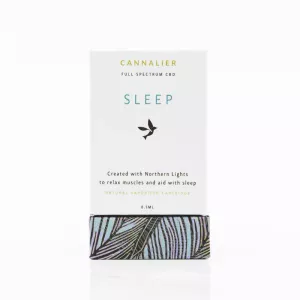
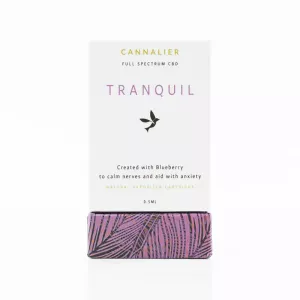
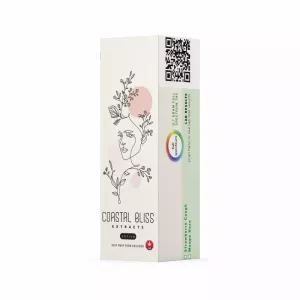
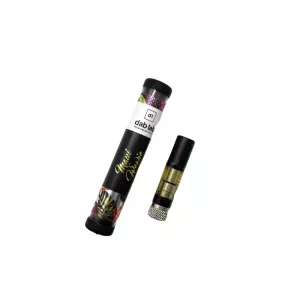
Anxiety Cartridges
Find Your Calm: Premium Anxiety Cartridges

Therapeutic solutions for tranquility and balance

Don't forget to check out the Weekly Deals from BIRCH+FOG!

Woman meditating on a yoga mat, soft lighting, calming colors, essential oil nearby.

Anxiety Cartridges

Anxiety cartridges deliver targeted stress relief in 2-5 minutes through precision cannabinoid formulations.

Showing 1–16 of 16 results
★★★★★ (127)
Original price was: $20.00.Current price is: $14.00.
★★★★★ (63)🌿🌙
Original price was: $27.00.Current price is: $20.25.
★★★★★ (86)🌿🌙
Original price was: $27.00.Current price is: $20.25.

Anxiety Cartridges: Fast-Acting Cannabis Relief for Modern Stress

Anxiety cartridges deliver scientifically-formulated stress relief directly to your bloodstream within 2-5 minutes through advanced vaporization technology. These therapeutic cannabis formulations combine research-backed cannabinoid ratios with clinically-studied terpenes that target specific anxiety pathways in your nervous system, offering controlled relief without the unpredictability of recreational products. Whether managing daily workplace tension, social anxiety episodes, or sudden panic responses, understanding how these therapeutic tools work transforms your approach to natural anxiety management. 🧠

What Are Anxiety Cartridges for Stress Relief

Medical-Grade Cannabis Technology for Anxiety

How Vaporized Compounds Target Stress Response

Anxiety cartridges contain cannabis oil specifically engineered to regulate your stress response through targeted interactions with endocannabinoid receptors controlling mood, fear processing, and emotional balance. When heated between 160-220°C, these therapeutic oils vaporize into bioactive compounds that absorb directly through lung tissue into bloodstream circulation, achieving 40-60% bioavailability compared to just 6-20% for edibles. This direct absorption pathway explains why meaningful relief begins within 2-5 minutes rather than the hour-plus delay of oral products — crucial when anxiety strikes unexpectedly during meetings or social situations. The therapeutic precision comes from intentional CBD and THC ratios combined with specific terpene profiles that clinical research has linked to measurable reductions in cortisol levels and improved neurotransmitter function. ⚡

CBD vs THC Anxiety Cartridges Comparison

CBD-Dominant Options for Clear-Headed Relief

Balanced Formulations for Comprehensive Support

CBD anxiety cartridges typically feature 10:1 to 20:1 CBD-to-THC ratios, delivering potent anxiolytic effects without cognitive impairment by increasing your body's natural anxiety-regulating compounds while modulating serotonin receptors similarly to prescription medications. This mechanism produces measurable stress reduction without intoxication, making CBD-dominant formulations ideal for professional environments where mental clarity remains essential. Balanced 1:1 or 2:1 CBD-to-THC ratios provide more comprehensive relief by engaging multiple receptor pathways simultaneously, where therapeutic THC doses enhance mood elevation while CBD prevents the anxiety-amplifying effects that can occur with higher THC concentrations. VPE-SRTV-HYB-ZKZ-05 Users consistently report improved emotional regulation, reduced physical tension, and better stress management without feeling impaired during daily activities. 🌿

Types of Anxiety Cartridges Available

Full-Spectrum vs Broad-Spectrum Formulations

Live Resin vs Distillate Processing Methods

Full-spectrum anxiety cartridges preserve complete cannabinoid and terpene profiles from source plants, including trace THC amounts that leverage the entourage effect — synergistic interactions between all cannabis compounds producing more robust and sustained anxiolytic effects than isolated compounds alone. Broad-spectrum formulations remove THC entirely while maintaining other minor cannabinoids like CBG and CBN that contribute to anxiety relief through complementary pathways. Live resin anxiety cartridges maintain original plant chemistry by flash-freezing fresh cannabis before extraction, preserving volatile compounds and complex terpene relationships that enhance therapeutic effects compared to distillate-based products using refined oil with reintroduced terpenes. 🔬

How to Choose Quality Anxiety Cartridges

Laboratory Testing and Safety Standards

Hardware Construction and Material Quality

Every legitimate anxiety cartridge should include current third-party laboratory testing from independent facilities examining cannabinoid potency accuracy, detailed terpene profiles with specific percentages, and comprehensive contamination screening for heavy metals, pesticides, residual solvents, and microbial content. Premium cartridge hardware significantly impacts both safety and therapeutic delivery — ceramic heating elements preserve delicate terpenes better than cotton-wick designs while glass tanks prevent oil degradation that occurs with plastic materials over time. Quality manufacturers transparently specify heating element materials and extraction methods, avoiding products that refuse to disclose hardware composition or lack current lab documentation. VPE-STRW-IND-PPK-05 The investment in premium construction pays dividends through consistent dosing and preserved therapeutic compounds. 🏺

  • 🔍 Current lab verification: Demand recent certificates with specific cannabinoid and terpene percentages
  • 🌱 Clean extraction methods: Prioritize CO2 or live resin over questionable solvent-based processing
  • 🎯 Therapeutic ratios: Look for intentional CBD:THC formulations rather than random potency
  • 📊 Terpene transparency: Choose products listing specific compounds and concentrations
  • 🏗️ Hardware quality: Ceramic heating elements and glass construction preserve therapeutic integrity

Anxiety Cartridges Benefits and Effects

Rapid Onset and Precise Dosing Control

Sustained Relief Without Mental Impairment

The primary therapeutic advantage of anxiety cartridges lies in their speed and dosing precision, where vaporized cannabinoids bypass digestive metabolism entirely, reaching peak concentrations within 10-15 minutes and beginning measurable anxiolytic effects during the first few inhalation cycles. This rapid onset proves invaluable during acute anxiety episodes — panic attacks, social situations, or sudden stress responses where waiting an hour for oral medications isn't practical. Quality anxiety cartridges deliver therapeutic effects lasting 2-4 hours with each draw providing consistent dosing, allowing precise titration to your minimum effective level without overshooting into unwanted side effects. CBD-dominant formulations provide significant anxiety relief while preserving mental clarity, focus, and motor coordination suitable for professional environments. Users consistently report reduced racing thoughts, decreased physical tension, and improved emotional regulation without sedation or euphoria that interferes with productivity and decision-making. 🎯

Anxiety Cartridges Dosing Guide for Beginners

Safe Starting Protocol and Titration Methods

Daily Usage Patterns and Tolerance Prevention

Begin with a single 2-3 second gentle inhalation from any new anxiety cartridge, regardless of previous cannabis experience, and wait 15-20 minutes to assess complete effects before considering additional doses — this conservative approach prevents overconsumption while establishing your baseline sensitivity to specific formulations. Most users find 1-3 draws sufficient for mild to moderate anxiety symptoms, while severe episodes may require 4-6 total inhalations spread across 30-60 minutes throughout challenging situations. For ongoing anxiety management, successful patterns typically involve 2-4 sessions daily timed around predictable stress periods — morning preparation, midday reset, evening decompression. To prevent tolerance buildup that reduces therapeutic effectiveness over time, consider alternating between different cannabinoid ratios weekly or incorporating 1-2 day breaks while documenting your minimum effective dose. VPE-SRTV-HYB-WW-05 Start low and go slow remains the fundamental principle preventing both overconsumption and therapeutic disappointment. 🐢

  1. 💨 Initial dose: Single 2-3 second inhalation, wait 15-20 minutes before additional use
  2. 📈 Gradual increase: Add one draw per session until optimal relief achieved
  3. Timing strategy: Use before anticipated stress periods for preventive management
  4. 📱 Effect tracking: Document dosage, timing, and relief duration for optimization

Are Anxiety Cartridges Safe for Daily Use

Respiratory Health and Harm Reduction

Drug Interactions and Medical Considerations

High-quality anxiety cartridges operate at vaporization temperatures that avoid combustion byproducts associated with smoking, significantly reducing respiratory irritation and harmful compound exposure, though individuals with asthma, COPD, or other respiratory conditions should consult healthcare providers before beginning regular therapeutic use. CBD significantly inhibits enzymes responsible for metabolizing numerous prescription medications including SSRIs, benzodiazepines, blood thinners, and anti-seizure drugs, potentially increasing medication blood concentrations and amplifying both therapeutic and adverse effects without proper medical supervision. To minimize potential complications, use the lowest effective voltage settings, take controlled inhalations rather than aggressive pulls, and discuss cannabis use openly with prescribing physicians who can monitor for interaction effects. Pregnant and breastfeeding individuals should avoid all cannabis products entirely, while others should monitor for any respiratory changes with regular use and adjust consumption patterns accordingly. 🌡️

Best Terpenes for Anxiety Relief in Cartridges

Clinically-Proven Anxiolytic Compounds

Synergistic Combinations for Enhanced Effects

Linalool, the dominant aromatic compound in lavender, demonstrates documented anxiolytic and sedative properties in multiple human clinical studies with optimal therapeutic concentrations around 1.2-2.8% of total terpene content, confirming its ability to reduce cortisol levels while activating parasympathetic nervous system responses that directly counteract anxiety-driven fight-or-flight activation. Myrcene produces muscle relaxation and potentiates cannabinoid sedative effects through enhanced permeability, while beta-caryophyllene uniquely binds CB2 receptors directly as the only terpene functioning as a cannabinoid while reducing systemic inflammation often accompanying chronic anxiety disorders. The most therapeutically effective anxiety cartridges combine multiple complementary terpenes strategically — limonene provides mood elevation with documented anti-stress effects, pinene enhances mental alertness while counteracting memory concerns, and terpinolene offers mild sedative properties without heavy drowsiness for daytime anxiety management. 🧪

  • 🌸 Linalool: Clinically proven cortisol reduction and parasympathetic activation for stress relief
  • 🍃 Myrcene: Muscle relaxation and enhanced cannabinoid absorption for physical tension
  • 🌊 Beta-caryophyllene: Direct CB2 receptor binding reduces inflammation-related anxiety
  • 🍋 Limonene: Documented mood elevation and stress hormone regulation
  • 🌲 Pinene: Mental alertness without anxiety amplification for daytime use

Anxiety cartridges represent the evolution of therapeutic cannabis — precise, fast-acting, and formulated with medical intention rather than recreational goals alone. Success depends on choosing quality products with verified testing, starting with conservative doses, and understanding that effective anxiety management requires consistency rather than high potency approaches. Whether addressing daily workplace stress, social anxiety, or occasional panic episodes, the right cartridge formulation provides meaningful relief that integrates seamlessly into modern lifestyles without compromising mental clarity or professional responsibilities. 🌱 Remember that individual responses vary significantly based on unique biochemistry and stress patterns — what provides perfect relief for others may require personalized adjustment and experimentation to achieve optimal therapeutic results over time.

Frequently Asked Questions

How fast do anxiety cartridges work for stress relief?

Anxiety cartridges begin working within 2-5 minutes of inhalation, with peak effects reached in 15-30 minutes. This rapid onset occurs because vaporized cannabinoids absorb directly through lung tissue into bloodstream circulation, bypassing digestive metabolism that delays oral products by 30-90 minutes.

What's better for anxiety: CBD or THC cartridges?

CBD cartridges provide anxiety relief without psychoactive effects, making them ideal for daytime use and THC-sensitive users. THC can be effective for anxiety at low doses but may worsen symptoms at higher concentrations. Balanced CBD:THC ratios often provide the most comprehensive relief through multiple receptor pathways.

How many puffs should I take from anxiety cartridges?

Start with 1-2 gentle puffs (2-3 seconds each) and wait 15-20 minutes to assess effects. Most users find 1-3 draws sufficient for mild anxiety, while severe symptoms may require 4-6 total inhalations spread over 45-60 minutes throughout the day.

Are anxiety cartridges safe for daily use long-term?

High-quality anxiety cartridges from reputable manufacturers with third-party testing are generally considered safe for daily use when used as directed. However, individuals with respiratory conditions should consult healthcare providers, and those taking prescription medications should discuss potential drug interactions.

Can anxiety cartridges help with sleep and insomnia?

Yes, many anxiety cartridges contain compounds that promote better sleep quality. Evening use of cartridges with higher myrcene content, linalool, or balanced CBD:THC ratios can help calm racing thoughts and physical tension that interfere with restful sleep.

What terpenes work best for anxiety relief in cartridges?

Linalool provides documented anxiolytic effects and cortisol reduction, myrcene offers muscle relaxation and enhanced sedation, while limonene elevates mood and reduces stress. Beta-caryophyllene uniquely binds CB2 receptors to reduce inflammation-related anxiety. Quality cartridges combine multiple complementary terpenes.

How do I choose quality anxiety cartridges over inferior products?

Look for current third-party lab testing showing cannabinoid potency, terpene profiles, and contamination screening. Choose products with glass construction, ceramic heating elements, and transparent extraction methods like CO2 or live resin over cheap distillate cartridges with unknown hardware materials.

Do anxiety cartridges show up on workplace drug tests?

Cartridges containing any amount of THC may result in positive drug test results, even CBD-dominant formulations with trace THC. Pure CBD isolate cartridges are less likely to trigger positive tests, but broad-spectrum products may contain detectable THC levels.

Popular Categories

Canada's #1 Online Cannabis Dispensary: Over 600 Premium Products with Daily Deals

Learn More About Anxiety Cartridges

Dosing for Anxiety

Finding the right dose for anxiety relief with cannabis cartridges requires patience, precision, and understanding of your individual response to cannabinoids. Unlike pharmaceutical medications with standardized dosing, cannabis affects everyone differently based on factors like body chemistry, tolerance, and the specific cannabinoid profile of your cartridge. This comprehensive guide will help you develop a personalized dosing strategy that maximizes anxiety relief while minimizing unwanted side effects.

Understanding Cannabis Anxiety Dosing

Cannabis dosing for anxiety follows a unique biphasic response pattern, where lower doses often provide calming effects while higher doses can paradoxically increase anxiety. This makes finding your optimal dose crucial for therapeutic success. When using vape cartridges for anxiety, you're working with concentrated cannabis oil that allows for precise control over your intake.

The therapeutic window for anxiety relief typically ranges from 1-10mg of THC, though some individuals find relief with even smaller amounts. CBD dosing follows different patterns, with effective ranges often between 5-40mg for anxiety management. The key is recognizing that more isn't always better when it comes to anxiety relief.

Cartridge potency plays a significant role in dosing strategy. High-potency cartridges containing 80-90% cannabinoids require smaller inhalations to achieve therapeutic effects compared to lower-potency options. Understanding your cartridge's cannabinoid profile helps you calculate appropriate starting doses and make informed adjustments.

Start Low, Go Slow Method

The fundamental principle of cannabis dosing for anxiety is "start low, go slow." This approach minimizes the risk of overconsumption while allowing you to identify your minimum effective dose. Begin with the smallest possible inhalation – typically a 1-2 second draw from your cartridge – and wait at least 15-30 minutes before considering additional doses.

For complete beginners, starting with a single small puff and waiting 2-4 hours before taking more provides valuable baseline data about your sensitivity to cannabis. Many people experience mild effects from their first dose that become more apparent as they develop awareness of cannabis's subtle influences on mood and anxiety levels.

Track your initial experiences carefully, noting the time of consumption, approximate dose size, effects onset, peak effects, and duration. This information becomes invaluable for refining your dosing strategy and identifying patterns in your response to different amounts.

Resist the urge to increase doses quickly if you don't feel immediate relief. Cannabis effects can be subtle initially, and anxiety reduction often manifests as a gradual sense of calm rather than dramatic mood changes. Many users find that what they initially perceived as "no effect" was actually gentle anxiety relief that became apparent only in retrospect.

THC vs CBD Ratios for Anxiety

The ratio of THC to CBD in your cartridge significantly impacts both dosing strategy and therapeutic outcomes for anxiety. High-CBD, low-THC ratios (such as 20:1 or 10:1 CBD to THC) typically require higher total doses but offer anxiety relief with minimal psychoactive effects. These ratios are excellent for daytime use and for individuals sensitive to THC's mental effects.

Balanced ratios (1:1 or 2:1 CBD to THC) often provide effective anxiety relief at moderate doses while offering some of THC's mood-enhancing benefits. These products typically require more careful dosing due to THC's stronger psychoactive effects, but many users find them highly effective for comprehensive anxiety management.

High-THC cartridges require the most cautious dosing approach for anxiety. While some individuals find low doses of high-THC products highly effective for anxiety relief, the margin for error is smaller. Start with extremely small doses – perhaps half of what you might use with a balanced product – and increase very gradually.

Terpenes also influence optimal dosing. Cartridges rich in calming terpenes like myrcene or linalool may provide anxiety relief at lower overall cannabinoid doses, while products high in stimulating terpenes might require more precise timing and dosing to avoid exacerbating anxiety.

Microdosing Techniques

Microdosing represents the cutting edge of cannabis anxiety management, involving doses so small they provide therapeutic benefits without noticeable intoxication. For cartridge users, this typically means inhalations lasting 1-3 seconds, repeated 2-4 times throughout the day rather than taking larger doses less frequently.

Effective microdosing requires consistent technique. Develop a standardized inhalation method – perhaps a 2-second draw followed by a 3-second hold – and use this same technique for all doses to ensure consistency. Many users find that multiple small doses throughout the day provide more stable anxiety relief than single larger doses.

Temperature settings on adjustable cartridge batteries can facilitate microdosing. Lower temperatures (2.4-2.8V) produce less vapor per inhalation, making it easier to achieve consistent small doses. Higher temperatures produce more vapor and faster onset but make precise microdosing more challenging.

Consider implementing a scheduled microdosing routine, such as small doses upon waking, mid-morning, after lunch, and early evening. This approach maintains steady cannabinoid levels and can prevent anxiety spikes more effectively than reactive dosing. Keep a simple log of timing and effects to optimize your schedule.

Timing Your Doses

Proper timing is crucial for effective anxiety management with cartridges. Unlike edibles with delayed onset, vaporized cannabis typically begins working within 2-15 minutes, making it excellent for addressing acute anxiety episodes. However, effects also diminish more quickly, typically lasting 1-4 hours depending on dose size and individual metabolism.

For generalized anxiety management, consider prophylactic dosing – taking small amounts before known stress triggers rather than waiting for anxiety to peak. Many users find that a small dose 30-60 minutes before stressful situations provides better relief than reactive dosing after anxiety has already escalated.

Evening dosing requires special consideration, as some individuals find cannabis energizing rather than sedating. If using cartridges for nighttime anxiety relief, start with very small doses 2-3 hours before bedtime to assess your response. Indica-dominant cartridges typically work better for evening anxiety management.

Develop awareness of your natural anxiety patterns throughout the day. Many people experience predictable anxiety spikes – perhaps mid-morning or late afternoon – and can benefit from preemptive dosing 30-45 minutes before these typical peak times.

Cartridge-Specific Dosing

Different cartridge types and hardware configurations require adjusted dosing approaches. 510-thread cartridges with variable voltage batteries offer the most control, allowing you to fine-tune dose sizes by adjusting power settings. Start with lower voltage settings (2.4-2.8V) for more controlled dosing, increasing only if needed for faster onset or stronger effects.

Pod systems often provide more consistent dosing due to their integrated design, but offer less customization. These systems typically work best with manufacturer-recommended usage patterns, making it important to understand your specific device's vapor production characteristics.

Disposable cartridges vary significantly in airflow and heating characteristics, making consistent dosing more challenging. With disposables, focus on developing consistent inhalation technique rather than trying to adjust hardware settings. Pay attention to how different brands feel and perform to identify products that work best with your dosing needs.

Consider cartridge age when dosing. Older cartridges may produce less vapor due to oil thickening or hardware degradation, potentially requiring slightly longer inhalations to achieve consistent effects. Fresh cartridges often produce more vapor initially, requiring more cautious dosing until you understand their characteristics.

Monitoring Your Effects

Effective anxiety dosing requires systematic monitoring of your responses to different amounts and timing. Develop a simple tracking system that records dose timing, approximate amount, anxiety levels before and after dosing, and any side effects. This data becomes invaluable for optimizing your approach over time.

Use subjective anxiety scales to quantify your experiences. A simple 1-10 scale, where 1 represents complete calm and 10 represents severe anxiety, helps track patterns and identify your most effective doses. Record both pre-dose anxiety levels and peak relief achieved.

Monitor for subtle effects that might not be immediately apparent. Cannabis anxiety relief often manifests as increased ability to focus, reduced physical tension, or simply feeling "more like yourself." These gentle improvements can be easy to miss if you're expecting dramatic mood changes.

Pay attention to negative effects that might indicate excessive dosing. Increased anxiety, racing thoughts, physical restlessness, or feeling "too high" suggest you've exceeded your optimal dose. These experiences provide valuable upper limits for future dosing decisions.

Adjusting for Tolerance

Regular cannabis use inevitably leads to tolerance development, requiring dosing adjustments over time. However, anxiety users often find that tolerance develops more slowly with microdosing approaches compared to recreational use patterns. Maintaining effectiveness requires balancing consistent relief with tolerance management strategies.

Consider implementing structured tolerance breaks every 4-6 weeks. Even 2-3 days without cannabis can significantly reset your sensitivity, allowing you to return to lower effective doses. Plan these breaks during lower-stress periods when you have alternative anxiety management tools available.

Strain rotation can help manage functional tolerance even during regular use. Alternating between different cartridges with varying cannabinoid and terpene profiles prevents your system from fully adapting to any single product. This approach maintains therapeutic benefits while slowing tolerance development.

If tolerance increases, resist the urge to dramatically increase doses. Instead, try slight timing adjustments, different consumption techniques, or brief tolerance breaks. Large dose increases often lead to diminishing returns and increased risk of anxiety-inducing effects.

Common Dosing Mistakes

Many cannabis users make predictable dosing errors that can hinder anxiety relief or create negative experiences. Understanding these common mistakes helps you develop more effective strategies from the beginning. The most frequent error is impatience – taking additional doses before the first has fully taken effect.

Inconsistent dosing technique creates unpredictable results and makes it difficult to identify optimal amounts. Develop standardized inhalation methods and stick to them consistently. Varying draw length, hold time, or inhalation depth makes it impossible to accurately assess dose-response relationships.

Using cannabis as your only anxiety management tool often leads to tolerance issues and overdependence. Integrate cartridge use with other anxiety management strategies like exercise, meditation, or therapy. This approach maintains cannabis's effectiveness while providing multiple tools for anxiety relief.

Ignoring set and setting factors can undermine even perfectly calculated doses. Cannabis effects are influenced by your environment, mood, stress levels, and expectations. A dose that works perfectly in a comfortable home setting might feel inadequate or overwhelming in a high-stress environment.

Building Your Dosing Routine

Successful long-term anxiety management with cartridges requires developing sustainable routines that integrate seamlessly with your daily life. Start by identifying your most consistent anxiety patterns and stress triggers. This information helps you design a dosing schedule that provides preventive relief rather than just reactive treatment.

Create consistent dosing rituals that promote mindfulness and intention. Taking a few deep breaths before each dose, setting positive intentions for the experience, or combining doses with brief meditation can enhance therapeutic effects while maintaining awareness of your consumption patterns.

Establish clear guidelines for when to adjust your routine. Perhaps you'll reassess weekly, tracking both anxiety relief and any negative effects. Regular evaluation prevents dosing creep and ensures your approach remains aligned with your therapeutic goals.

Plan for situations that might disrupt your routine, such as travel, high-stress periods, or social situations where cannabis use isn't appropriate. Having alternative anxiety management strategies ensures you're not dependent solely on cartridges while maintaining the flexibility to use them when most beneficial.

Remember that optimal dosing for anxiety is highly individual and may change over time as your life circumstances, stress levels, and cannabis experience evolve. The goal is developing a sustainable, effective approach that enhances your quality of life while maintaining control over your consumption. With patience and systematic experimentation, you can find the dosing strategy that provides reliable anxiety relief tailored to your unique needs and lifestyle.

Indica vs Sativa for Anxiety Relief

When selecting cannabis cartridges specifically for anxiety relief, understanding the fundamental differences between indica, sativa, and hybrid strains becomes crucial for making an informed choice. While the traditional indica versus sativa classification system has evolved as we've learned more about cannabis chemistry, these categories still provide valuable guidance for anxiety management, particularly when combined with an understanding of terpenes and cannabinoid profiles.

Understanding Cannabis Types and Anxiety

The relationship between cannabis strain types and anxiety relief is more complex than the simple indica-equals-relaxation narrative that has dominated cannabis culture. Modern cannabis research reveals that the effects you experience depend on multiple factors including cannabinoid ratios, terpene profiles, individual body chemistry, and consumption method. However, certain patterns do emerge that can guide your selection process.

Indica strains traditionally originate from mountainous regions like the Hindu Kush and tend to produce plants with broader leaves, shorter stature, and denser buds. These strains often contain higher levels of the terpene myrcene, which is associated with sedating effects and muscle relaxation. For anxiety sufferers, this can translate to a more calming experience that helps quiet racing thoughts and physical tension.

Sativa strains evolved in equatorial regions and typically feature narrower leaves, taller plants, and longer flowering periods. These strains often contain higher concentrations of uplifting terpenes like limonene and pinene. While some anxiety sufferers find sativas energizing and mood-lifting, others may experience increased anxiety or paranoia, particularly with high-THC sativa strains.

The key insight for anxiety management is that strain classification works best when combined with careful attention to cannabinoid ratios and terpene profiles. A high-THC sativa with anxiety-promoting terpenes might worsen symptoms, while a balanced hybrid with calming terpenes could provide ideal relief regardless of its technical classification.

Indica Strains for Anxiety Relief

For most people dealing with anxiety, indica-dominant strains and cartridges offer the most predictable path to relief. The typical indica experience includes physical relaxation, mental calm, and what many describe as a "body high" that can effectively counteract the physical symptoms of anxiety such as muscle tension, rapid heartbeat, and restlessness.

Classic indica effects that benefit anxiety sufferers include deep muscle relaxation, reduced racing thoughts, improved sleep quality, and an overall sense of calm contentment. These strains often work particularly well for evening use when you want to unwind from a stressful day or prepare for restful sleep. The sedating qualities that make indicas less suitable for daytime productivity make them ideal for anxiety relief during relaxation periods.

When selecting indica cartridges for anxiety, pay particular attention to THC levels and the presence of CBD. High-THC indicas can sometimes produce couch-lock or excessive sedation, while indica strains with moderate THC levels (15-20%) often provide anxiety relief without overwhelming intoxication. Indica cartridges that include CBD offer additional anxiety-fighting benefits, as CBD has been shown to reduce anxiety and can moderate THC's psychoactive effects.

Popular indica terpene profiles for anxiety include myrcene-dominant strains that promote relaxation, linalool-rich varieties that offer lavender-like calming effects, and strains containing caryophyllene, which may help reduce inflammation and stress response. These terpenes work synergistically with cannabinoids in what researchers call the entourage effect.

The main considerations with indica strains for anxiety include timing of use, as their sedating effects make them less suitable for daytime anxiety management when you need to remain alert and productive. Some users also find that very heavy indicas can produce grogginess the following day, so finding the right potency level for your needs is essential.

Sativa Strains and Anxiety Considerations

The relationship between sativa strains and anxiety is more complex and individualized than with indicas. While some people find that certain sativa strains help lift their mood and provide energy to tackle anxiety-provoking situations, others experience increased anxiety, paranoia, or racing thoughts with sativa consumption.

Sativa strains that work well for anxiety typically share certain characteristics: moderate THC levels rather than extremely high potency, the presence of anxiety-reducing terpenes like limonene or linalool, and often some CBD content to balance THC's more stimulating effects. These balanced sativas can provide mood elevation and energy without the jittery or paranoid feelings that high-THC sativas sometimes produce.

The potential benefits of appropriate sativa strains for anxiety include improved mood and optimism, increased motivation to engage in anxiety-reducing activities, enhanced creativity and problem-solving abilities, and energy for physical exercise or social interaction. Some people find that the right sativa strain helps them approach anxiety-provoking situations with a more positive mindset rather than avoidance behaviors.

However, sativas pose several risks for anxiety sufferers that require careful consideration. High-THC sativas can increase heart rate and produce a stimulating effect that mimics or exacerbates anxiety symptoms. Strains high in certain terpenes like terpinolene may be too energizing for sensitive individuals. Additionally, the cerebral effects of sativas can sometimes amplify anxious thought patterns rather than quieting them.

If you're considering sativa cartridges for anxiety management, start with very low doses and choose strains known for gentle, uplifting effects rather than intense cerebral stimulation. Look for sativas with balanced cannabinoid profiles and calming terpene additions. Morning or early afternoon consumption is generally preferable to avoid interfering with sleep, and having a plan for managing any increased anxiety is wise.

Hybrid Strains: A Balanced Approach

Hybrid strains often represent the sweet spot for anxiety relief, combining the best characteristics of both indica and sativa genetics while minimizing the drawbacks of each. These strains can be indica-dominant, sativa-dominant, or balanced 50/50 hybrids, each offering different advantages for anxiety management.

Indica-dominant hybrids typically provide the relaxing, anxiety-reducing benefits of indica strains while maintaining enough sativa influence to avoid heavy sedation. These strains work well for people who want anxiety relief without feeling completely incapacitated or drowsy. They're often suitable for late afternoon or early evening use when you want to relax but still maintain some mental clarity and physical capability.

Sativa-dominant hybrids offer mood enhancement and gentle energy while incorporating enough indica genetics to prevent the racy, anxious feelings that pure sativas sometimes produce. These hybrids can be excellent for daytime anxiety management, providing motivation and positivity while maintaining emotional stability. They're particularly valuable for people whose anxiety manifests as depression, low energy, or social withdrawal.

Balanced hybrid cartridges aim to provide equal parts relaxation and uplift, creating a versatile cannabis experience that can adapt to different anxiety situations. These strains often work well for people who experience varying types of anxiety symptoms or who want one cartridge that can provide relief throughout different parts of their day.

The advantage of hybrid cartridges for anxiety lies in their versatility and reduced risk of extreme effects. While a pure indica might leave you too sedated for certain situations, and a pure sativa might increase anxiety, a well-crafted hybrid can provide relief while maintaining functionality. Many hybrid strains are specifically bred with anxiety relief in mind, incorporating genetics and terpene profiles known to reduce stress and promote emotional balance.

When selecting hybrid cartridges, consider the ratio of indica to sativa influence and how that aligns with your anxiety patterns and lifestyle needs. Someone with evening anxiety might prefer an indica-dominant hybrid, while someone dealing with morning anxiety or depression might benefit from a sativa-dominant hybrid. Balanced hybrids work well for people with unpredictable anxiety patterns or those new to cannabis who want to avoid extreme effects in either direction.

Terpene Profiles That Support Anxiety Relief

Understanding terpenes is crucial for selecting anxiety-relieving cartridges because these aromatic compounds significantly influence the effects you'll experience, often more than the indica/sativa classification. Terpenes work synergistically with cannabinoids to create the overall experience, and certain terpenes have documented anxiety-reducing properties.

Myrcene is perhaps the most important terpene for anxiety relief, known for its deeply relaxing and sedating effects. Strains high in myrcene typically produce the classic "couch-lock" effect and can significantly reduce physical tension and mental agitation. This terpene is commonly found in indica strains and is particularly effective for evening anxiety relief and sleep preparation.

Linalool provides lavender-like calming effects and has been extensively studied for its anti-anxiety properties. This terpene can help reduce the nervous system's stress response and is often found in strains that provide relaxation without heavy sedation. Linalool-rich cartridges can be excellent for managing social anxiety or general stress throughout the day.

Limonene offers mood-enhancing and stress-relieving benefits with a more uplifting profile than myrcene or linalool. This citrus-scented terpene can help combat depression-related anxiety while maintaining energy and motivation. Limonene-dominant strains are often good choices for daytime anxiety management or when anxiety is accompanied by low mood.

Caryophyllene is unique among terpenes because it can directly activate cannabinoid receptors, particularly CB2 receptors involved in inflammation and stress response. This spicy, peppery terpene may help reduce the physical aspects of anxiety while providing a grounding, centering effect. It's often found in balanced hybrid strains.

Pinene can provide alertness and focus while potentially counteracting some of THC's more anxiogenic effects. Alpha-pinene may help with memory retention and mental clarity, making it valuable for people whose anxiety affects cognitive function. However, pinene can be stimulating, so it requires careful consideration for anxiety management.

When selecting cartridges for anxiety, look for terpene profiles that emphasize calming terpenes like myrcene, linalool, and caryophyllene while being cautious of highly stimulating terpene combinations. Many manufacturers now provide detailed terpene analysis, allowing you to make informed decisions based on the specific aromatic compounds present rather than relying solely on strain names or indica/sativa classifications.

Choosing the Right Cartridge Type

Beyond strain selection, the type of cartridge and extraction method can significantly impact your anxiety relief experience. Different cartridge technologies and cannabis concentrates offer varying onset times, duration of effects, and overall experiences that may be more or less suitable for anxiety management.

Full-spectrum cartridges contain the complete range of cannabinoids and terpenes found in the original plant material, providing the most authentic representation of the strain's effects. These cartridges often provide the most effective anxiety relief due to the entourage effect, where all compounds work together synergistically. The complexity of full-spectrum extracts typically provides more nuanced, well-rounded effects that can be ideal for anxiety management.

Broad-spectrum cartridges contain most cannabinoids and terpenes but have had THC removed or reduced to trace levels. These can be excellent for people who want anxiety relief without significant psychoactive effects or who are concerned about drug testing. The presence of CBD and other minor cannabinoids can still provide substantial anxiety-reducing benefits.

Live resin cartridges are made from fresh-frozen cannabis plants, preserving more of the original terpene profile and providing enhanced flavor and effect profiles. For anxiety sufferers, live resin can offer more pronounced terpene effects, potentially providing better anxiety relief if the strain has appropriate terpene genetics. However, live resin cartridges are often more potent and may require more careful dosing.

Distillate cartridges contain highly purified cannabinoids but often lack the full terpene profile of whole-plant extracts. While these cartridges offer consistency and potency control, they may not provide the comprehensive anxiety relief that full-spectrum products offer. Some distillate cartridges have terpenes reintroduced, but the effects may differ from naturally occurring terpene profiles.

CO2-extracted cartridges typically preserve more of the plant's original cannabinoid and terpene profile than some other extraction methods, often providing a good balance of potency and authenticity. These cartridges frequently offer clean, consistent effects that can be reliable for anxiety management routines.

When choosing cartridge types for anxiety, consider factors like desired onset time, duration of effects, potency preferences, and whether you want the full psychoactive experience or prefer more subtle effects. Full-spectrum and live resin cartridges generally provide the most comprehensive anxiety relief, while broad-spectrum options offer benefits without significant intoxication.

Timing Your Consumption for Optimal Results

The timing of cannabis consumption plays a crucial role in anxiety management effectiveness. Different strain types work better at different times of day, and understanding how to align consumption timing with your anxiety patterns and daily activities can significantly improve your results.

Morning anxiety often responds well to balanced hybrid cartridges or gentle sativa-dominant hybrids that can provide mood lift and motivation without sedation. However, some people find that any cannabis consumption in the morning affects their productivity or mental clarity. In these cases, CBD-dominant cartridges or micro-dosing with low-THC hybrids might be more appropriate.

Midday anxiety management requires strains that provide relief without interfering with afternoon responsibilities. Balanced hybrids with moderate potency often work well, providing anxiety relief while maintaining functionality. Avoid heavy indica strains during midday unless you don't have obligations requiring mental clarity or physical activity.

Evening anxiety relief opens up more options, including indica-dominant strains and hybrids that might be too sedating for daytime use. This is often the ideal time for the most effective anxiety-relieving strains, as their relaxing effects can help you unwind from daily stresses and prepare for restful sleep.

Pre-bedtime consumption should focus on indica-dominant strains or hybrids with strong sedating properties. Strains high in myrcene and other relaxing terpenes can help quiet anxious thoughts and promote deep, restorative sleep. Avoid sativa-dominant strains before bed, as they may interfere with sleep quality or onset.

Situational anxiety management might require different approaches depending on the trigger. Social anxiety might benefit from uplifting hybrid strains that provide confidence and mood enhancement, while performance anxiety might respond better to calming indica-dominant varieties that reduce physical symptoms like trembling or rapid heartbeat.

Consider maintaining a consumption journal to track which strains work best at different times and in different situations. This personalized data can help you optimize your anxiety management routine and make better cartridge selections for specific needs and circumstances.

Individual Response Factors

Individual response to different cannabis strain types varies dramatically based on genetics, experience level, body chemistry, concurrent medications, and personal anxiety patterns. Understanding these factors can help you make better predictions about which indica, sativa, or hybrid cartridges will work best for your specific situation.

Genetic factors significantly influence how your body processes cannabinoids and responds to different terpene profiles. Some people naturally metabolize THC more quickly or slowly, affecting both the intensity and duration of effects. Others may be more or less sensitive to specific terpenes, making certain strain types more or less effective for anxiety relief.

Cannabis tolerance and experience level play crucial roles in strain selection. New users often find that small amounts of any strain type provide significant effects, while experienced users might need higher potency products or specific strain characteristics to achieve anxiety relief. Tolerance can also affect which strain types work best, as regular users might find that their preferred effects shift over time.

The type and severity of anxiety disorders can influence optimal strain selection. Generalized anxiety disorder might respond well to indica-dominant strains that provide overall calm and relaxation. Social anxiety might benefit from mood-lifting hybrid strains that provide confidence without sedation. Panic disorder might require immediate-acting, fast-relief options with specific cannabinoid and terpene profiles.

Concurrent medications and health conditions can significantly impact cannabis effects and strain selection. Some medications may enhance or reduce cannabis effects, while certain health conditions might make specific strain types more or less appropriate. Always consult healthcare providers when combining cannabis with other treatments or medications.

Lifestyle factors including work schedules, family responsibilities, and daily activities should influence strain type selection. Someone with demanding daytime responsibilities might rely primarily on evening indica use, while someone with flexible schedules might benefit from varied strain types throughout the day.

Personal preferences for effects, flavors, and consumption experiences also matter. Some people prefer the clear-headed effects of sativa-dominant hybrids even if indica strains might provide more anxiety relief. Others prioritize maximum anxiety reduction regardless of other effects. Understanding your preferences and priorities helps guide strain selection decisions.

The most effective approach to strain selection for anxiety often involves careful experimentation with different types, careful tracking of results, and gradual refinement of your personal protocol. Start with small doses of well-regarded anxiety-relieving strains from each category, document your experiences, and gradually develop a personalized understanding of which indica, sativa, and hybrid characteristics work best for your unique needs and circumstances.

Remember that effective anxiety management with cannabis cartridges often involves finding several strains that work for different situations rather than relying on a single product. Having options for different times of day, different anxiety triggers, and different desired outcomes provides flexibility and better overall anxiety management results.

Strain Selection Guide for Anxiety Cartridges

Selecting the right strain for anxiety management is both an art and a science. While individual responses vary significantly, understanding the genetic makeup, cannabinoid profiles, and terpene compositions of different strains can help you make informed choices that align with your specific anxiety patterns and lifestyle needs. This comprehensive guide will help you navigate the complexities of strain selection to build an effective anxiety management toolkit.

Understanding Strain Genetics for Anxiety

Modern cannabis strains fall into three primary genetic categories, each offering distinct advantages for anxiety management. Indica-dominant strains typically provide the most straightforward anxiety relief, offering sedating effects that can quiet racing thoughts and promote physical relaxation. These strains work particularly well for generalized anxiety, social anxiety, and evening use when sleep is a priority.

Sativa-dominant strains require more careful consideration for anxiety sufferers. While some individuals find that certain sativa strains help with motivation and mood elevation without increasing anxiety, others may experience heightened nervousness or racing thoughts. The key lies in selecting sativa-dominant strains with specific terpene profiles and moderate THC levels, particularly those with higher CBD content to balance potential psychoactive effects.

Hybrid strains often provide the most versatile options for anxiety management, combining the best aspects of both indica and sativa genetics. Indica-leaning hybrids maintain anxiety-relieving properties while offering more functional effects than pure indicas, making them suitable for daytime use. Sativa-leaning hybrids can provide mood enhancement and energy while incorporating enough indica genetics to prevent anxiety escalation.

When evaluating strain genetics, consider the specific phenotype and growing conditions, as these factors can significantly influence the final product's effects. Two plants from the same strain can produce notably different experiences based on cultivation methods, harvest timing, and curing processes.

Key Cannabinoid Profiles

The cannabinoid composition of your anxiety cartridges plays a crucial role in determining their effectiveness. THC-dominant cartridges can provide powerful anxiety relief when used appropriately, but require careful dosing to avoid triggering increased anxiety. Look for THC-dominant options with supporting cannabinoids like CBN or CBG that can modulate THC's effects and enhance therapeutic benefits.

CBD-dominant cartridges offer anxiety relief without intoxicating effects, making them ideal for daytime use or for individuals sensitive to THC. These products work through different mechanisms than THC, often providing sustained relief without the risk of triggering anxiety episodes. Many users find CBD-dominant cartridges particularly effective for anticipatory anxiety and social situations.

Balanced ratio cartridges, typically featuring 1:1 or 2:1 CBD:THC ratios, provide synergistic effects where CBD helps moderate THC's psychoactive properties while maintaining therapeutic benefits. These ratios often produce what many describe as the most sustainable anxiety relief, offering relaxation and mood improvement without overwhelming effects.

Lesser-known cannabinoids are increasingly important in anxiety management. CBN provides sedating effects that complement anxiety relief with sleep promotion. CBG may offer mood-stabilizing properties and works well in combination with other cannabinoids. THCV can provide energizing effects while potentially reducing anxiety, making it valuable in daytime formulations.

Terpene Considerations for Anxiety Relief

Terpenes significantly influence how different strains affect anxiety, often determining whether a particular strain will be helpful or problematic for individual users. Myrcene, the most common cannabis terpene, provides sedating and muscle-relaxing effects that directly counter physical anxiety symptoms. Strains high in myrcene often produce what users describe as a heavy, calming body effect that can quiet both mental and physical anxiety manifestations.

Linalool, also found in lavender, offers specific anti-anxiety properties with research supporting its effectiveness for stress reduction. This terpene works synergistically with cannabinoids to enhance relaxation while promoting a sense of calm alertness. Strains featuring significant linalool content often provide anxiety relief without excessive sedation.

Limonene provides mood elevation and stress relief, making it valuable for depression-related anxiety or situations requiring maintained functionality. However, some individuals find limonene too energizing during acute anxiety episodes, making it better suited for preventive use or mild anxiety management.

Caryophyllene offers unique benefits as the only terpene that directly interacts with cannabinoid receptors, providing anti-inflammatory effects that may address anxiety's physical components. Strains high in caryophyllene often produce sustained, even-keeled effects suitable for chronic anxiety management.

Terpene combinations matter as much as individual terpenes. The most effective anxiety strains often feature complementary terpene profiles where multiple compounds work together to create comprehensive relief. Pay attention to how different terpene combinations affect your specific anxiety patterns and adjust your selections accordingly.

Strain Categories and Effects

Classic anxiety-relief strains have earned their reputation through consistent user experiences and documented effects. These typically include indica-dominant varieties known for their reliability in providing calming effects without unpredictable responses. However, individual phenotypes and cultivation methods can influence even well-established strains, so approach each new cartridge as a unique product regardless of strain reputation.

High-CBD strains designed specifically for anxiety management often provide the most predictable results for new users or those sensitive to THC. These strains prioritize therapeutic effects over recreational experiences, focusing on sustained relief with minimal side effects. Many high-CBD anxiety strains incorporate carefully selected terpene profiles to enhance their calming properties.

Daytime anxiety strains balance relief with functionality, allowing users to manage anxiety symptoms while maintaining productivity and mental clarity. These typically feature moderate THC levels with supporting cannabinoids and terpene profiles that promote calm alertness rather than sedation.

Evening and nighttime strains for anxiety often incorporate elements that promote sleep alongside anxiety relief, recognizing the strong connection between anxiety and sleep disturbances. These strains typically feature higher levels of sedating terpenes and may include CBN or other sleep-promoting cannabinoids.

Situational anxiety strains address specific triggers like social anxiety, performance anxiety, or generalized worry. Social anxiety strains often feature balanced cannabinoid ratios that provide confidence without impairment, while performance anxiety varieties might emphasize focus and calm energy alongside stress relief.

Choosing Strains by Time and Situation

Morning anxiety management requires strains that provide relief without compromising daily functionality. CBD-dominant options or balanced ratios work particularly well for starting the day with reduced baseline anxiety. Avoid heavily sedating strains in the morning unless your schedule allows for potential drowsiness, and consider how your chosen strain will interact with caffeine or other morning routines.

Workplace-appropriate anxiety strains must balance effectiveness with professional requirements. Microdosing THC-containing cartridges can provide subtle anxiety relief, while CBD-dominant options offer more substantial relief without impairment concerns. Consider strains with terpene profiles that promote focus and calm energy, avoiding those known for strong sedating or euphoric effects.

Social situation strains should enhance confidence while maintaining social appropriateness. Balanced CBD:THC ratios often work well for social anxiety, providing relaxation without obvious intoxication. Avoid strains known for introspective or paranoid effects, focusing instead on varieties that promote sociability and reduce self-consciousness.

Evening anxiety relief allows for more potent and sedating options, as sleep promotion becomes an additional benefit rather than a hindrance. This timing permits exploration of indica-dominant strains with higher THC content, particularly those featuring myrcene and other sedating terpenes that can address both anxiety and sleep difficulties.

Acute anxiety episodes require fast-acting relief, making strain selection critical for effectiveness. Keep readily available strains that you know work quickly for your anxiety symptoms, focusing on options that provide rapid onset and reliable effects rather than experimenting with new varieties during crisis moments.

Potency and Tolerance Considerations

THC potency significantly impacts anxiety outcomes, with higher concentrations increasing both potential benefits and risks. While some users require higher potency products for effective anxiety relief, others find that moderate THC levels provide optimal benefits without triggering increased anxiety. Consider your current tolerance level, but remember that tolerance to anxiety relief may develop differently than tolerance to recreational effects.

CBD potency requirements vary widely among individuals, with some finding relief at 5-10mg doses while others require 50mg or more. Unlike THC, CBD doesn't produce tolerance in the same way, allowing for consistent dosing over time. However, individual sensitivity to CBD can change based on stress levels, health status, and other medications.

Tolerance management becomes crucial for long-term anxiety relief, as constantly increasing doses can become unsustainable and potentially counterproductive. Consider rotating between different strains with varying cannabinoid profiles to maintain effectiveness while preventing tolerance buildup. Periodic tolerance breaks, even brief ones, can help reset your sensitivity to both THC and CBD.

Potency consistency matters more for anxiety management than for recreational use, as unpredictable effects can increase rather than decrease anxiety. Choose products from reputable sources with consistent testing and production methods, prioritizing reliability over novelty when managing anxiety symptoms.

Building Your Strain Rotation

Developing an effective strain rotation prevents tolerance while addressing different aspects of anxiety management. Include a primary daily strain for baseline anxiety management, typically something mild and functional that you can use regularly without building significant tolerance. Add situation-specific strains for particular challenges like social events, work stress, or sleep difficulties.

Seasonal rotation considerations account for how anxiety patterns change throughout the year. Many individuals experience increased anxiety during specific seasons, requiring adjusted strain selections that address seasonal affective patterns alongside general anxiety management. Winter selections might emphasize mood elevation, while summer options could focus on social anxiety for increased social activities.

Create backup options for when your primary strains become less effective or unavailable. Having tested alternatives prevents anxiety about running out of effective products and ensures continuity in your management approach. Keep detailed notes about which strains work best for different situations, times of day, and anxiety triggers.

Consider complementary strain combinations that work well together throughout a single day or week. Some users benefit from starting with CBD-dominant products in the morning, switching to balanced ratios during the day, and finishing with indica-dominant options in the evening. This approach provides comprehensive anxiety coverage while minimizing tolerance development to any single product.

Monitor and adjust your rotation regularly based on life changes, stress levels, and effectiveness. What works during low-stress periods may prove inadequate during challenging times, requiring temporary adjustments to your strain selection strategy. Regular evaluation ensures your rotation continues meeting your evolving anxiety management needs.

Successfully selecting anxiety cartridge strains requires understanding your individual response patterns, anxiety triggers, and lifestyle requirements. Start with well-documented, reliable strains while gradually exploring options that might better address your specific needs. Remember that strain selection is a personal journey where consistency and careful observation matter more than following universal recommendations. Build your knowledge gradually, prioritize products from trusted sources, and maintain detailed records of what works best for your unique anxiety patterns and daily life.

Vaping vs Smoking for Anxiety Relief

When managing anxiety with cannabis, the delivery method you choose significantly impacts your experience, effectiveness, and overall wellness journey. At BIRCH+FOG, our anxiety cartridge collection offers a modern alternative to traditional smoking methods, each with distinct advantages for anxiety relief. Understanding these differences helps you make informed decisions about which approach best supports your mental health goals and lifestyle preferences.

Delivery Methods Overview

Cannabis consumption for anxiety relief primarily involves two mainstream approaches: vaping with cartridges and smoking traditional flower. Both methods deliver cannabinoids through inhalation, providing relatively quick onset times compared to edibles or tinctures. However, the mechanisms, temperatures, and resulting experiences differ substantially.

Vaping utilizes controlled heating to create vapor from concentrated cannabis oils, typically maintaining temperatures between 315-440°F. This process preserves delicate terpenes and cannabinoids while avoiding combustion. Smoking involves burning plant material at much higher temperatures, often exceeding 1000°F, which destroys some beneficial compounds while creating potentially harmful byproducts.

For anxiety management specifically, these temperature differences translate to variations in therapeutic compound availability, flavor profiles, and overall effectiveness. The precision offered by modern vaping technology allows for more consistent dosing and better preservation of anxiety-relieving compounds like CBD, CBG, and specific terpenes known for their calming properties.

Vaping Anxiety Cartridges

Vaping anxiety cartridges represents the cutting edge of cannabis consumption technology, offering unparalleled control over your therapeutic experience. BIRCH+FOG's anxiety cartridge selection includes precisely formulated blends designed specifically for stress relief and mental wellness support. These cartridges contain concentrated cannabis oils extracted to preserve maximum therapeutic potential while eliminating plant matter and unnecessary compounds.

The vaping process begins when your battery heats the ceramic or quartz coil within the cartridge, transforming the oil into smooth, flavorful vapor. This controlled heating preserves temperature-sensitive terpenes like linalool, myrcene, and limonene—compounds specifically beneficial for anxiety relief. Unlike combustion, vaporization maintains these delicate therapeutic molecules in their most bioavailable forms.

Modern anxiety cartridges feature sophisticated extraction and formulation techniques, often incorporating strain-specific terpene profiles known for their calming effects. Many products in our collection utilize full-spectrum extracts or carefully crafted blends that maximize the entourage effect—the synergistic interaction between cannabinoids and terpenes that enhances therapeutic benefits.

Temperature control represents another significant advantage of cartridge vaping. Most quality vape batteries offer variable voltage settings, allowing users to customize their experience. Lower temperatures (2.8-3.2V) preserve maximum flavor and provide smoother hits ideal for those sensitive to throat irritation. Higher settings (3.7-4.2V) produce more robust vapor and potentially stronger effects, useful for immediate anxiety relief during acute episodes.

Smoking Traditional Flower

Traditional cannabis flower smoking remains popular among many users seeking anxiety relief, offering a time-tested approach with its own set of advantages. Smoking involves combusting dried cannabis buds, typically through joints, pipes, or bongs, creating smoke that contains both therapeutic compounds and combustion byproducts.

The immediate availability and simplicity of smoking appeals to many users. No special equipment beyond basic smoking accessories is required, and the ritual aspects of grinding, rolling, or packing can provide therapeutic benefits for some individuals managing anxiety. The familiar routine and mindful preparation involved in smoking can serve as grounding exercises that complement the cannabis's anxiety-relieving properties.

Flower smoking also provides access to the complete plant profile, including compounds that might be filtered out during extraction processes. Some users report preferring the "whole plant" experience, believing it offers more comprehensive therapeutic effects than concentrated products. The immediate visual and olfactory feedback from handling and consuming flower can enhance the overall therapeutic ritual.

However, combustion temperatures destroy significant portions of beneficial terpenes and some cannabinoids, potentially reducing therapeutic efficiency. The high heat also creates tar and other combustion byproducts that can irritate respiratory systems—a particular concern for anxiety sufferers who may already experience breathing-related symptoms during panic episodes.

Additionally, flower potency can vary significantly between buds from the same plant, making consistent dosing challenging. This unpredictability can create anxiety rather than relieve it, particularly for users who require precise, reliable dosing for their mental health management.

Health Considerations

Health implications represent perhaps the most significant factor when choosing between vaping anxiety cartridges and smoking flower, particularly for long-term anxiety management. The respiratory system differences between these consumption methods have been extensively studied, with clear distinctions in their impact on lung health and overall wellness.

Vaping operates at temperatures well below combustion points, typically ranging from 315-440°F. This controlled heating vaporizes cannabinoids and terpenes without creating the tar, carbon monoxide, and numerous toxic compounds produced during combustion. Research indicates that vaporization reduces respiratory irritation and eliminates most harmful combustion byproducts while maintaining therapeutic efficacy.

For anxiety sufferers specifically, respiratory health considerations become especially relevant. Anxiety disorders often involve breathing-related symptoms, including shortness of breath, chest tightness, and hyperventilation. Smoking's harsh effects on throat and lung tissues can exacerbate these symptoms, potentially triggering anxiety episodes rather than relieving them.

Vaping anxiety cartridges produces significantly smoother vapor that's gentler on respiratory tissues. This reduced irritation allows users to consume therapeutic doses without the coughing, throat irritation, or breathing discomfort often associated with smoking. For individuals whose anxiety manifests through respiratory symptoms, this gentler delivery method can prevent consumption-related anxiety triggers.

Long-term health considerations also favor vaping for regular anxiety management. While neither smoking nor vaping is entirely risk-free, vaporization significantly reduces exposure to harmful compounds associated with combustion. For individuals using cannabis daily or multiple times daily for anxiety management, this reduction in harmful exposure becomes increasingly important over time.

The precision of cartridge vaping also supports better health outcomes through improved dosage control. Consistent, measured doses help users avoid overconsumption, which can paradoxically increase anxiety levels. The ability to take small, controlled puffs helps users find their optimal therapeutic dose without the unpredictable potency variations common with flower smoking.

Dosage Control Comparison

Precise dosage control represents one of the most critical factors for effective anxiety management, and the differences between vaping cartridges and smoking flower in this regard are substantial. Anxiety disorders require careful attention to dosing, as too little provides insufficient relief while too much can paradoxically increase anxiety symptoms.

Anxiety cartridges offer superior dosage precision through several mechanisms. First, the concentrated oils contain consistent cannabinoid percentages throughout the cartridge, eliminating the natural variation found in flower. Each puff delivers a predictable amount of active compounds, allowing users to develop reliable dosing protocols that work consistently over time.

Modern cartridge systems often include dosage tracking features or recommendations. Some advanced vape pens offer puff counters, timers, or even smartphone connectivity to help users monitor their consumption patterns. This technology proves particularly valuable for anxiety management, where tracking dosage, timing, and effectiveness helps optimize therapeutic protocols.

The vapor production from cartridges also provides visual feedback about dose size. Users can observe vapor density and adjust their inhalation technique accordingly, taking smaller sips for mild anxiety relief or deeper draws for more immediate effects. This real-time feedback helps users calibrate their dosing more precisely than smoking allows.

Flower smoking presents significant dosage challenges due to natural potency variations. Even within the same strain and harvest, individual buds can contain different cannabinoid concentrations. Factors like growing conditions, harvest timing, curing processes, and storage all influence final potency, making consistent dosing difficult to achieve.

The combustion process itself introduces additional dosage variables. Burn rate, inhalation intensity, smoking technique, and even weather conditions affect how much active material gets consumed versus destroyed. These variables make it challenging to replicate specific doses, particularly important for users who've found their optimal anxiety relief level.

Joint or bowl packing density also impacts dosing consistency when smoking. Tightly packed material burns differently than loosely packed, affecting draw resistance, burn rate, and compound delivery. These variables require constant adjustment and make precise dosing protocols difficult to establish and maintain.

Onset and Duration of Effects

Understanding onset times and duration differences between vaping cartridges and smoking flower helps anxiety sufferers choose the most appropriate method for their specific needs and situations. Both delivery methods provide relatively quick relief compared to oral consumption, but subtle differences can impact their effectiveness for various anxiety scenarios.

Vaping anxiety cartridges typically produces effects within 1-3 minutes of inhalation, with peak effects occurring around 10-15 minutes post-consumption. The vapor's particle size and temperature allow for efficient absorption through lung tissues, providing rapid onset that proves invaluable during acute anxiety episodes or panic attacks.

The duration of vaping effects generally ranges from 1-3 hours, depending on the specific cartridge formulation, individual tolerance, and consumption amount. This timeframe works well for situational anxiety management, allowing users to address specific stressors without committing to extended periods of impairment.

Smoking flower often provides slightly faster initial onset, sometimes within 30 seconds to 2 minutes, due to the immediate availability of combusted compounds. However, this rapid onset can sometimes feel overwhelming for anxiety sufferers, particularly those sensitive to sudden changes in mental state.

Flower smoking duration typically ranges from 1-4 hours, with significant variation based on strain, quality, and individual factors. The broader range of compounds present in whole flower, including various cannabinoids and terpenes, can create more complex and longer-lasting effects.

For anxiety management specifically, the onset predictability of cartridge vaping offers advantages in treatment planning. Users can reliably expect effects within a specific timeframe, allowing them to time their consumption appropriately for anticipated stressors or anxiety-provoking situations.

The controlled nature of cartridge effects also provides more predictable duration, helping users plan their daily activities and responsibilities. This predictability reduces anxiety about consumption timing and helps integrate cannabis therapy more seamlessly into daily routines.

Convenience and Discretion

Practical considerations around convenience and discretion significantly impact the viability of different consumption methods for anxiety management, particularly for users who need relief throughout their daily activities or in various social situations.

Anxiety cartridges excel in portability and discretion. The compact size of vape pens and cartridges makes them easily transportable, fitting comfortably in pockets, purses, or bags without the bulk associated with flower and smoking accessories. This portability proves crucial for anxiety sufferers who may need quick access to relief in various locations.

The minimal odor production from vaping represents another significant advantage for discretion. While some scent is present, it dissipates quickly and doesn't cling to clothing, hair, or surroundings like smoke does. This reduced odor signature allows users to consume their anxiety medication in more situations without drawing unwanted attention or causing social discomfort.

Vape pens require no additional accessories beyond the cartridge and battery, simplifying the consumption process. No grinding, rolling, lighting, or ashtrays are needed, making consumption possible in many situations where smoking would be impractical or inappropriate. This simplicity reduces barriers to consistent anxiety management.

The quick consumption time for vaping also enhances convenience. A few discreet puffs can provide therapeutic effects without the extended time commitment required for smoking a joint or bowl. This efficiency allows users to address anxiety symptoms quickly and return to their activities without significant interruption.

Flower smoking requires more preparation and accessories, including grinders, papers or pipes, lighters, and proper disposal methods for ash and remnants. This equipment bulk makes discreet consumption more challenging and requires more planning for on-the-go use.

The distinct and persistent odor of cannabis smoke presents discretion challenges in many situations. The smell clings to clothing, hair, and hands, potentially causing social or professional complications for users who need anxiety relief throughout their daily activities.

Cost-Effectiveness Analysis

Economic considerations play an important role in sustainable anxiety management, as consistent access to therapeutic cannabis requires balancing effectiveness with affordability. The cost comparison between vaping cartridges and smoking flower involves multiple factors beyond simple purchase prices.

Anxiety cartridges typically have higher upfront costs per unit compared to equivalent amounts of flower. However, the concentrated nature of cartridge oils means a small amount provides many doses. A standard 1-gram cartridge often contains 70-85% cannabinoids, delivering significantly more active compounds per dollar than flower with typical 15-25% cannabinoid content.

The efficiency of vaporization also impacts long-term costs. Studies suggest vaporization extracts 40-50% more active compounds from cannabis material compared to combustion, which destroys significant portions of therapeutic molecules. This improved efficiency means users need less product to achieve equivalent therapeutic effects.

Equipment costs differ significantly between methods. Quality vape batteries range from $20-100 and last for years with proper care. Smoking requires ongoing purchases of papers, lighters, and replacement pipes or accessories, which accumulate costs over time.

Storage and waste considerations also affect overall economics. Cartridges maintain potency longer than flower when stored properly, reducing losses from degradation. The sealed cartridge design prevents contamination and preserves therapeutic compounds more effectively than flower storage methods.

For frequent users managing chronic anxiety, the health cost considerations become economically relevant. The reduced respiratory irritation and health risks associated with vaping may translate to lower healthcare costs over time, though individual experiences vary.

BIRCH+FOG's anxiety cartridge collection offers various price points and potencies, allowing users to find cost-effective options that meet their therapeutic needs and budget constraints. The consistent quality and potency of cartridges help users avoid the waste associated with ineffective or low-quality flower purchases.

Choosing the Right Method for You

Selecting between vaping anxiety cartridges and smoking flower requires careful consideration of your individual needs, lifestyle, health priorities, and therapeutic goals. Neither method is universally superior, but one may be significantly better suited to your specific anxiety management requirements.

Consider vaping anxiety cartridges if you prioritize precise dosage control, need discreet consumption options, have respiratory sensitivities, require consistent potency, or value convenience and portability. Cartridge vaping excels for users who need quick, reliable anxiety relief throughout their daily activities without the preparation time, odor, or health concerns associated with smoking.

The technological advantages of cartridge systems appeal to users who appreciate data tracking, consistent experiences, and modern convenience features. If you're managing anxiety as part of a broader wellness routine that includes work, social activities, or family responsibilities, cartridge vaping offers the discretion and convenience necessary for seamless integration.

Smoking flower might better suit users who prefer the ritual aspects of traditional consumption, enjoy the full plant experience, have budget constraints that favor flower pricing, or find the broader compound profile of whole flower more therapeutically effective for their specific anxiety symptoms.

Some users benefit from a hybrid approach, using cartridges for daily maintenance dosing and discretion needs while reserving flower smoking for private settings where they can fully experience the ritualistic and comprehensive effects of whole plant consumption.

Consider your anxiety patterns when making this decision. Users with unpredictable panic attacks may benefit more from the quick, discrete relief offered by cartridge vaping. Those with chronic, low-level anxiety might prefer the longer, more complex effects often associated with flower consumption.

BIRCH+FOG's anxiety cartridge collection provides excellent options for users choosing the vaping path, with carefully curated products designed specifically for anxiety relief. Our selection includes various potencies, strain profiles, and formulations to match different anxiety management needs and preferences.

Ultimately, the most effective method is the one you'll use consistently and safely. Both vaping cartridges and smoking flower can provide significant anxiety relief when used appropriately. Consider starting with smaller quantities of each method to personally evaluate their effects on your specific anxiety symptoms before committing to a primary consumption approach. Your optimal anxiety management strategy may evolve as your needs change and your understanding of cannabis therapeutics deepens.

Storage & Care for Anxiety Cartridges

Proper storage and care of your anxiety cartridges directly impacts their effectiveness for managing symptoms. Cannabis oil is sensitive to environmental factors that can degrade cannabinoids and terpenes, reducing both potency and therapeutic benefits. Understanding how to protect your investment ensures consistent anxiety relief and extends the lifespan of your cartridges significantly.

Why Proper Storage Matters for Anxiety Relief

Cannabis cartridges contain delicate compounds that provide anxiety relief through specific ratios of THC, CBD, and therapeutic terpenes. When these compounds degrade due to poor storage conditions, you lose more than just potency—you lose the carefully balanced effects that make specific strains effective for anxiety management.

Temperature fluctuations, light exposure, and oxidation can break down cannabinoids and alter terpene profiles within weeks. This degradation often affects anxiety-relieving compounds first, as many therapeutic terpenes like linalool and myrcene are particularly volatile. Proper storage maintains the specific effects you rely on for consistent anxiety relief.

Quality cartridges represent a significant investment, and proper care can extend their usable life from a few months to over a year. This longevity is especially important for medical users who depend on specific strains and ratios for managing anxiety symptoms effectively.

Temperature Control and Heat Protection

Heat is the primary enemy of cannabis cartridges, accelerating the degradation of both cannabinoids and terpenes. Ideal storage temperature ranges between 60-70°F (15-21°C), with consistency being more important than hitting exact numbers. Avoid temperature swings greater than 10 degrees, as expansion and contraction can damage cartridge seals and cause leaks.

Never leave cartridges in hot environments like cars, windowsills, or near heating sources. Temperatures above 80°F (27°C) begin breaking down terpenes rapidly, while extreme heat above 100°F (38°C) can cause oil to separate or leak from the cartridge. Even brief exposure to high temperatures can permanently alter the oil's consistency and effects.

Cold storage below 50°F (10°C) isn't recommended for daily-use cartridges, as it can thicken the oil and make vaping difficult. However, long-term storage in slightly cool conditions around 55-65°F (13-18°C) can help preserve potency for cartridges you won't use immediately.

Room temperature storage works well for most users, but avoid areas with temperature fluctuations like bathrooms, kitchens, or rooms with poor climate control. A bedroom drawer or closet typically provides the most stable temperature environment in most homes.

Light Exposure Prevention

Ultraviolet light breaks down cannabinoids and terpenes through photodegradation, with some compounds losing significant potency after just hours of direct sunlight exposure. Even indirect light from windows can cause gradual degradation over time, making dark storage essential for maintaining cartridge quality.

Store cartridges in opaque containers or dark areas away from all light sources. Clear plastic containers offer no protection against light damage, while amber glass or dark plastic provides excellent UV filtering. Many users find that small opaque boxes or drawers work perfectly for protecting multiple cartridges from light exposure.

LED lights produce less heat than traditional bulbs but still emit UV radiation that can damage cartridges over time. Avoid storing cartridges near any artificial light sources, including desk lamps, overhead fixtures, or electronic devices with bright displays.

For users who prefer transparent storage containers for organization purposes, wrap cartridges in aluminum foil or store containers inside dark cabinets. This simple step provides complete light protection while maintaining easy access and visibility of your collection.

Humidity and Air Exposure Management

While cartridges are more protected from humidity than flower cannabis, excessive moisture can still cause problems with hardware components and potentially affect oil quality. Ideal humidity levels range between 30-50%, typical of most indoor environments with climate control.

High humidity above 60% can cause metal components to corrode and may affect the cartridge's connection points over time. Conversely, extremely dry conditions below 20% can make seals brittle and more prone to cracking. Most home environments naturally fall within acceptable humidity ranges without special equipment.

Air exposure primarily affects cartridges through oxidation when oils come into contact with oxygen. While cartridges are generally well-sealed, damaged or low-quality cartridges may allow air infiltration. Store cartridges upright when possible to minimize air contact with the oil and prevent leaks.

Avoid storage in areas prone to high humidity like bathrooms, basements, or poorly ventilated spaces. If you live in an extremely humid climate, consider using small silica gel packets in your storage container to absorb excess moisture without over-drying the environment.

Physical Protection and Handling

Cartridges contain delicate components including glass chambers, thin metal connections, and precise heating elements that can be damaged by impacts, drops, or rough handling. Physical damage often renders cartridges completely unusable, making protective storage essential.

Store cartridges in padded containers or individual slots that prevent them from knocking against each other during movement. Many users create custom storage solutions using foam padding in small boxes, providing both protection and organization for multiple cartridges.

Always handle cartridges by the metal base or threading rather than the glass chamber. The connection points are designed to handle the stress of threading onto batteries, while the glass portions are more fragile and prone to cracking under pressure.

Avoid dropping or throwing cartridges, even short distances onto soft surfaces. The internal components are precisely calibrated, and even minor impacts can disrupt airflow, damage heating elements, or cause internal connections to fail.

When transporting cartridges, use protective cases designed for vaping equipment or create cushioned compartments in larger bags. Hard cases with foam inserts provide excellent protection for users who frequently travel with their anxiety cartridges.

Cartridge Cleaning and Maintenance

Regular cleaning maintains optimal airflow and prevents buildup that can affect vapor quality and potency delivery. Clean the cartridge's connection points weekly using a cotton swab lightly dampened with isopropyl alcohol, ensuring the battery makes proper contact for consistent heating.

Remove any oil residue from the mouthpiece using a dry cotton swab or soft cloth. Avoid using water or excessive alcohol around the mouthpiece, as these can seep into the cartridge and contaminate the oil. For stubborn residue, use a toothpick to gently clear any blockages from air holes.

Check the cartridge's airflow regularly by taking a gentle draw without activating the battery. If airflow seems restricted, there may be oil buildup or crystallization blocking the air path. Gentle warming by holding the cartridge in your hands for a few minutes can help thin thickened oil.

Never attempt to disassemble cartridges or access the oil chamber directly. These components are sealed for safety and optimal function, and tampering will likely damage the cartridge beyond repair while potentially exposing you to contaminated oil.

Store used cartridges upright when possible to prevent oil from settling in air pathways. This simple practice prevents many common clogging issues and maintains consistent performance throughout the cartridge's life.

Battery Care for Optimal Performance

Proper battery maintenance directly impacts your cartridge's performance and longevity. Poor battery care can lead to inconsistent heating, which affects both vapor production and the activation of anxiety-relieving compounds in your cartridges.

Clean battery connections regularly using a cotton swab and isopropyl alcohol to remove oil residue and ensure proper electrical contact. Dirty connections can cause heating inconsistencies that may burn terpenes or underheat cannabinoids, reducing therapeutic effectiveness.

Store batteries at partial charge (around 40-60%) when not in use for extended periods. Fully charged or completely depleted batteries degrade faster during storage, leading to shorter overall battery life and inconsistent power delivery to your cartridges.

Avoid overcharging batteries by unplugging them once fully charged. Most modern vape batteries include overcharge protection, but consistently leaving them plugged in can still reduce long-term battery capacity and performance.

Use appropriate voltage settings for your cartridges, typically between 3.2-3.8 volts for most cannabis oils. Higher voltages can burn terpenes and create harsh vapor, while lower voltages may not fully activate cannabinoids, reducing anxiety relief effectiveness.

Storage Solutions and Organization

Effective storage solutions protect your cartridges while keeping them organized and easily accessible. A well-designed storage system helps you track different strains, monitor usage, and maintain optimal conditions for multiple cartridges simultaneously.

Small wooden boxes with foam inserts provide excellent protection and natural insulation against temperature fluctuations. Many users customize these boxes with individual compartments sized for their specific cartridge types, creating a professional storage solution that doubles as discrete transport.

Dedicated vape cases designed for cartridge storage often include elastic straps, foam padding, and multiple compartments for batteries and accessories. These purpose-built solutions typically offer superior protection compared to improvised storage methods.

For users with large collections, drawer organizers with adjustable dividers allow flexible configuration while keeping cartridges separated and protected. Label each section with strain names or effects to quickly identify the right cartridge for your current anxiety management needs.

Consider storage location carefully—bedroom drawers, closets, or dedicated cabinets away from kitchen heat and bathroom humidity provide ideal environments. Avoid storage areas that experience temperature fluctuations or receive direct sunlight during any part of the day.

Travel Considerations and Portability

Traveling with anxiety cartridges requires special consideration for both legal compliance and product protection. Temperature extremes during travel can quickly degrade cartridge quality, while rough handling can cause physical damage or leaks.

Use hard-shell cases with foam inserts when flying or driving long distances. These cases protect against impacts while providing insulation against temperature changes in cargo holds or hot vehicles. Never leave cartridges in parked cars, especially during summer months.

Pack cartridges in carry-on luggage when flying to avoid extreme temperatures in cargo holds. Follow all local and federal regulations regarding cannabis transport, and research destination laws before traveling with any cannabis products.

For daily carry, consider pocket-sized cases that hold one or two cartridges with protective padding. These cases prevent damage from keys, phones, or other items while keeping cartridges easily accessible for anxiety management throughout the day.

Altitude changes during flight can affect cartridge seals and potentially cause leaks. Store cartridges upright during travel and check for leaks after significant altitude changes. Some users prefer to empty cartridges partially before flying to prevent pressure-related issues.

Recognizing Signs of Degradation

Learning to identify degraded cartridges helps prevent disappointing experiences and ensures you're getting optimal anxiety relief from your cannabis products. Degraded cartridges may still function but won't provide the therapeutic effects you expect.

Color changes in the oil indicate oxidation and cannabinoid breakdown. Fresh cannabis oil typically appears golden or amber, while degraded oil turns darker brown or develops a reddish tint. Significant color changes usually correlate with reduced potency and altered effects.

Consistency changes such as separation, crystallization, or excessive thickness suggest degradation or contamination. Quality cannabis oil should maintain consistent viscosity and remain well-mixed throughout the cartridge's life when stored properly.

Taste and aroma changes often indicate terpene degradation, which directly impacts anxiety-relieving properties. Fresh cartridges should maintain their strain-specific flavors and aromas, while degraded cartridges may taste harsh, bland, or develop off-flavors.

Reduced effectiveness in managing anxiety symptoms is often the first sign users notice, as therapeutic compounds break down before major physical changes become apparent. If your usual dose isn't providing expected relief, check for other degradation signs.

Hardware issues like clogging, poor airflow, or connection problems may indicate oil degradation affecting cartridge function. While some hardware issues result from normal wear, sudden changes often correlate with oil quality problems.

Maximizing Shelf Life and Potency

Properly stored cartridges can maintain potency and effectiveness for 12-18 months, while poorly stored cartridges may degrade significantly within weeks. Implementing comprehensive storage practices from the moment you purchase cartridges maximizes your investment and ensures consistent anxiety relief.

Create a rotation system for multiple cartridges, using older stock first while keeping newer cartridges in optimal storage conditions. Label cartridges with purchase dates to track age and prioritize usage accordingly.

Monitor storage conditions regularly using simple tools like thermometers or humidity gauges if you live in extreme climates. Small adjustments to storage location or method can significantly extend cartridge life in challenging environments.

Consider vacuum-sealed storage for long-term cartridge preservation. While not necessary for cartridges used within a few months, vacuum sealing can extend shelf life for specialty strains or bulk purchases stored for extended periods.

Document which storage methods work best for your specific environment and usage patterns. Environmental factors vary significantly between locations, and finding optimal conditions for your situation ensures consistent results across all your anxiety cartridges.

Proper storage and care of anxiety cartridges requires attention to multiple environmental factors, but the investment in time and proper storage solutions pays dividends in maintained potency, extended shelf life, and consistent therapeutic effects. By protecting your cartridges from heat, light, physical damage, and contamination, you ensure reliable access to the anxiety relief you depend on while maximizing the value of your cannabis investment.

First-Time Tips for Anxiety Cartridges

Starting your anxiety relief journey with cannabis cartridges can feel overwhelming, but proper preparation and realistic expectations will help ensure a positive first experience. This comprehensive guide walks you through everything you need to know before, during, and after your first sessions with anxiety cartridges from BIRCH+FOG's collection.

Preparing for Your First Use

Before you even touch your first anxiety cartridge, preparation is crucial for a successful experience. Start by clearing your schedule for at least 3-4 hours, ensuring you have no driving, work obligations, or important responsibilities. Many first-time users underestimate how long effects can last, especially when anxiety relief is the goal.

Read through all product documentation that comes with your cartridge. Each product in BIRCH+FOG's anxiety collection has specific cannabinoid profiles and recommended usage guidelines. Understanding whether your cartridge is CBD-dominant, THC-dominant, or a balanced ratio will inform your approach.

Prepare your physical space by having water, light snacks, and comfortable seating readily available. Keep your phone charged and easily accessible, but consider informing a trusted friend or family member about your plans. Having someone you can contact if you feel uncomfortable adds an extra layer of security for nervous first-time users.

Check that your vape battery is fully charged and functioning properly. Nothing disrupts a first session like technical difficulties with your device. If you're using a new battery, familiarize yourself with its operation beforehand, including how to adjust temperature settings if available.

Setting Realistic Expectations

First-time cannabis users often have unrealistic expectations about immediate anxiety relief. While some people experience rapid effects, others may need several sessions to find their optimal dosage and strain preference. Cannabis affects everyone differently based on factors like body weight, metabolism, previous substance use, and individual endocannabinoid system sensitivity.

Understand that anxiety relief through cannabis isn't necessarily about feeling "high." Many effective anxiety cartridges produce subtle effects focused on relaxation and mental clarity rather than euphoria. If you're using a high-CBD cartridge, you might not feel dramatically different initially, but notice reduced racing thoughts or physical tension over time.

Expect some trial and error in finding your perfect product and dosage. What works for others may not work identically for you. BIRCH+FOG's diverse anxiety cartridge selection exists precisely because individual responses vary significantly. Your first cartridge might not be your long-term favorite, and that's completely normal.

Be prepared for the possibility of mild side effects during your learning phase. Dry mouth, slight dizziness, or temporary increased heart rate can occur as your body adjusts to cannabis. These effects typically diminish as you become more experienced and better at dosing.

Choosing Your Environment

Your environment significantly impacts your cannabis experience, especially when managing anxiety. Choose a familiar, comfortable space where you feel completely secure. Your bedroom, a cozy living room corner, or a private outdoor space all work well. Avoid public places, unfamiliar locations, or anywhere you might feel exposed or judged.

Control environmental factors that might trigger anxiety. Dim harsh lighting, adjust temperature for comfort, and minimize potential interruptions. Some users find that soft background music or nature sounds enhance relaxation, while others prefer complete silence. Have entertainment options available but avoid intense movies, stressful news, or anxiety-provoking content.

Consider the people around you carefully. Some first-time users prefer complete privacy, while others feel more comfortable with a trusted, sober companion nearby. Avoid using cannabis for the first time around people who might judge your experience or create social pressure. Your comfort level should be the primary consideration.

Prepare for different scenarios by having both stimulating and calming activities available. Books, puzzles, art supplies, or gentle stretching routines can be helpful if you feel restless. Conversely, have comfortable blankets, pillows, and relaxing music ready if you feel like settling into deep relaxation.

Understanding Your Vape Device

Vaporizer operation might seem straightforward, but understanding your specific device prevents frustration and ensures consistent dosing. Most cartridge systems use either draw-activated or button-activated mechanisms. Draw-activated devices respond to your inhalation, while button-activated devices require holding a button while inhaling.

Learn your device's indicator lights and their meanings. Most batteries show charging status, power levels, and activation through LED colors. Understanding these signals helps you recognize when your device is functioning properly and when it needs attention.

Temperature control, if available on your device, significantly affects your experience. Lower temperatures (around 315-350°F) produce milder effects and preserve more terpenes, while higher temperatures (380-420°F) create more intense effects. For anxiety management, starting with lower temperatures often provides more controllable results.

Practice proper inhalation technique before using your cartridge. Slow, steady draws work better than quick, harsh pulls. Most anxiety cartridges perform best with 3-5 second draws followed by a brief hold before exhaling. Aggressive inhalation can cause coughing and waste valuable cannabis oil.

First Session Protocol

Begin your first session with one small puff and wait at least 15-20 minutes before considering another. This waiting period is crucial because vaporized cannabis effects can take time to fully manifest, especially in new users. Many first-time mistakes happen when people assume they need more before the initial dose takes effect.

Focus on the immediate physical sensations after your first puff. You might notice slight changes in breathing patterns, muscle tension, or mental clarity within the first few minutes. These subtle shifts often indicate that the cannabis is beginning to work, even if you don't feel dramatically different yet.

Monitor your anxiety levels throughout the waiting period. Some users experience temporary anxiety increases as cannabis begins working, especially if they're nervous about the experience itself. This initial reaction typically subsides as the calming effects develop.

If after 20 minutes you feel minimal effects, take another small puff and repeat the waiting process. Resist the urge to take multiple puffs in quick succession. Building up your dose gradually prevents overwhelming experiences and helps you identify your optimal amount.

Document the time of each puff and your observations. This information becomes invaluable for future sessions and helps you develop consistent dosing patterns. Note not just how much you used, but how you felt before, during, and after the experience.

Recognizing the Effects

Cannabis effects for anxiety relief can be surprisingly subtle, especially compared to expectations set by popular media portrayals. Many users report feeling "normal but better" rather than dramatically altered. Look for reduced mental chatter, decreased physical tension, or improved ability to focus on the present moment.

Physical indicators of effective anxiety relief include relaxed shoulders, slower breathing, reduced jaw tension, and an overall sense of ease in your body. You might notice that previously worrying thoughts seem less urgent or that you can observe anxious feelings without being overwhelmed by them.

Mental effects often include improved emotional regulation, increased patience, and better perspective on stressful situations. Some users describe feeling like they can "step back" from their anxiety and observe it more objectively rather than being caught up in anxious thought patterns.

Be aware that effects can intensify gradually over the first hour. What feels like mild relaxation at 15 minutes might develop into deeper calm by the hour mark. This delayed intensification is normal and another reason why conservative initial dosing is important.

Different anxiety cartridges produce varying effect profiles. Indica-leaning products might create more physical relaxation and sedation, while sativa-dominant options could provide mental clarity and gentle energy alongside anxiety relief. Understanding these differences helps you choose appropriate products for different situations.

Managing Unexpected Reactions

Despite careful preparation, some first-time users experience uncomfortable reactions like increased heart rate, racing thoughts, or heightened anxiety. These reactions, while unsettling, are temporary and manageable with the right techniques. Remember that cannabis has never caused a fatal overdose, and any discomfort will pass.

If you feel overwhelmed, focus on slow, deep breathing exercises. Inhale for four counts, hold for four counts, then exhale for six counts. Repeat this pattern while reminding yourself that the effects are temporary and will diminish over time. This breathing technique activates your parasympathetic nervous system and naturally counters anxiety.

Ground yourself using the 5-4-3-2-1 technique: identify five things you can see, four things you can touch, three things you can hear, two things you can smell, and one thing you can taste. This sensory grounding exercise brings your attention to the present moment and away from anxious thoughts.

Stay hydrated and maintain comfortable body temperature. Sometimes what feels like cannabis-induced anxiety is actually dehydration or being too warm. Cool water, fresh air, or a cool cloth on your face can provide significant relief.

Avoid caffeine, alcohol, or other substances if you're having an uncomfortable experience. These can intensify effects or create unpredictable interactions. Stick to water, light foods, and simple comfort measures until you feel better.

Consider having CBD oil or products available as they can help counteract excessive THC effects. CBD has anti-anxiety properties and can moderate THC's psychoactive effects, making it a useful safety tool for new users.

Building Tolerance Awareness

Cannabis tolerance develops differently in each person, but understanding general patterns helps you maintain effective anxiety relief over time. Most users notice some tolerance development within 2-4 weeks of regular use, requiring slight dosage adjustments or product rotation to maintain effectiveness.

Track your usage patterns and effectiveness over time. If you find yourself needing significantly more of the same cartridge to achieve similar anxiety relief, you may be developing tolerance to that specific product's cannabinoid profile. This is normal and doesn't indicate a problem with your approach.

Consider tolerance breaks (T-breaks) if you notice diminishing effects. Even 2-3 days without cannabis can reset your sensitivity somewhat, while longer breaks of 1-2 weeks can significantly restore effectiveness. Plan these breaks for times when your anxiety is naturally lower or when you have extra support systems available.

Rotate between different products in BIRCH+FOG's anxiety collection to prevent tolerance to specific cannabinoid ratios or terpene profiles. Using a CBD-dominant cartridge for a few days, then switching to a balanced THC:CBD ratio can help maintain effectiveness while preventing tolerance buildup to any single product.

Be aware that tolerance affects different aspects of cannabis effects differently. You might develop tolerance to euphoric effects while maintaining sensitivity to anxiety-relieving properties. This selective tolerance can actually be beneficial for anxiety management, as you maintain therapeutic benefits with fewer recreational effects.

Tracking Your Experience

Maintaining detailed records of your cannabis use accelerates your learning process and helps optimize your anxiety management strategy. Create a simple log noting the date, time, product used, amount consumed, and effects experienced. Include both positive effects and any unwanted reactions.

Rate your anxiety levels before and after each session on a scale of 1-10. This quantitative tracking helps identify which products and dosages provide the most consistent relief. Also note your baseline anxiety level, as cannabis effectiveness can vary based on your starting emotional state.

Document environmental factors that might influence your experience. Time of day, food consumption, stress levels, sleep quality, and other medications can all affect how cannabis works for anxiety relief. Patterns often emerge that help you optimize timing and conditions for best results.

Track duration of effects carefully. Note when effects begin, peak, and fade completely. This information helps you plan dosing for specific situations and understand how different products work in your system. Some anxiety cartridges provide quick relief but shorter duration, while others take longer to work but last longer.

Include qualitative observations about the type of anxiety relief experienced. Did the product help more with physical tension, racing thoughts, social anxiety, or general worry? Different products excel at different aspects of anxiety management, and tracking these nuances helps you build a well-rounded anxiety relief toolkit.

Safety Considerations

Never drive or operate machinery while using cannabis for anxiety relief, even if effects seem mild. Cannabis can impair reaction times and judgment in subtle ways that aren't immediately obvious to the user. Plan to remain in safe, private spaces for the duration of effects plus an additional buffer period.

Be cautious about mixing cannabis with other medications, especially anti-anxiety medications, sleep aids, or alcohol. Consult with healthcare providers familiar with cannabis if you're taking prescription medications. Some combinations can intensify sedation or create unexpected interactions.

Store all cannabis products securely away from children and pets. Even small amounts of THC can be dangerous for children and animals. Use child-resistant containers and keep products in locked storage when possible. Never leave cartridges or batteries where they might be mistaken for other items.

Be aware of legal considerations in your area. While you're purchasing from a licensed dispensary, understanding local laws about possession limits, consumption locations, and transportation requirements protects you from legal issues. Some areas have restrictions on where cannabis can be consumed, even by licensed users.

Recognize signs that cannabis might not be appropriate for your anxiety management. If you consistently experience increased anxiety, paranoia, or other negative effects despite trying different products and approaches, cannabis might not be the right solution for you. Professional counseling or medical anxiety treatments might be more appropriate.

Have emergency contacts readily available, including poison control numbers and trusted friends or family members. While cannabis emergencies are rare, being prepared reduces anxiety about trying something new and ensures you can get help quickly if needed.

Next Steps in Your Journey

After successfully completing your first few sessions with anxiety cartridges, begin exploring BIRCH+FOG's diverse product selection to find your optimal anxiety relief profile. Consider trying different cannabinoid ratios, terpene profiles, and product formats to build a comprehensive understanding of what works best for your specific anxiety patterns.

Develop consistent routines around your cannabis use for anxiety management. Some users find morning micro-doses help prevent anxiety throughout the day, while others prefer evening use for relaxation and better sleep. Experiment with timing to find patterns that support your overall wellness goals.

Consider integrating cannabis use with other anxiety management techniques like meditation, exercise, therapy, or stress reduction practices. Cannabis can enhance the effectiveness of these approaches while these techniques can help you maximize cannabis benefits. The combination often provides more comprehensive anxiety relief than any single approach alone.

Stay informed about new products and developments in cannabis for anxiety relief. The industry evolves rapidly, with new strains, extraction methods, and product formats regularly becoming available. BIRCH+FOG frequently adds new anxiety-focused products that might better meet your evolving needs.

Build relationships with knowledgeable staff at BIRCH+FOG who can provide ongoing guidance as your experience grows. Experienced budtenders can recommend new products based on your documented preferences and help troubleshoot any challenges you encounter in your anxiety management journey.

Remember that finding your optimal anxiety relief routine is an ongoing process rather than a destination. Your needs may change with life circumstances, seasons, or other factors, requiring adjustments to your approach. Stay flexible and patient with yourself as you continue learning and refining your cannabis-based anxiety management strategy.

Top 10 Anxiety Cartridges

Finding the perfect anxiety cartridge can transform your wellness routine from overwhelming to empowering. At BIRCH+FOG, we've curated an exceptional selection of vape cartridges specifically chosen for their anxiety-relieving properties. This countdown showcases our top 10 performers, each offering unique terpene profiles and cannabinoid combinations that address different anxiety triggers and preferences.

10. Durban Poison

Durban Poison earns its place on our anxiety cartridge list through its unique ability to provide energizing relief without the racing thoughts that sometimes accompany sativa strains. This pure South African landrace variety offers a clear-headed experience that helps users tackle anxiety-inducing tasks with renewed confidence.

The terpene profile dominated by terpinolene creates an uplifting effect that's particularly beneficial for social anxiety and procrastination-related stress. Many users find Durban Poison cartridges perfect for daytime anxiety management when productivity remains important.

9. Jack Herer

Named after the legendary cannabis activist, Jack Herer cartridges deliver a balanced approach to anxiety relief that honors both mental clarity and emotional comfort. This hybrid strain combines the best aspects of its sativa and indica genetics to create a versatile anxiety solution.

The strain's pinene content helps counteract memory impairment while promoting alertness, making Jack Herer cartridges ideal for users who need anxiety relief during work hours or creative pursuits. The smooth vapor production ensures consistent dosing throughout the day.

8. Blue Dream

Blue Dream has earned its reputation as a gateway strain for anxiety sufferers, and our cartridge version maintains all the gentle effectiveness that made this hybrid famous. The sativa-dominant genetics provide mood elevation while the indica influence adds physical relaxation without sedation.

What sets Blue Dream cartridges apart for anxiety management is their consistent, predictable effects. The high myrcene content creates a calming foundation while limonene adds mood-boosting properties. New users particularly appreciate Blue Dream's forgiving nature and smooth onset.

7. Northern Lights

Northern Lights cartridges represent the gold standard for evening anxiety relief. This legendary indica strain has been helping users unwind from stressful days for decades, and the cartridge format delivers its famous effects with modern convenience and precision.

The strain's heavy myrcene and caryophyllene profile creates deep physical relaxation that helps break the cycle of anxious thoughts. Northern Lights cartridges are particularly effective for users whose anxiety manifests as physical tension or racing minds before bedtime.

6. Granddaddy Purple

Granddaddy Purple cartridges bring the royal treatment to anxiety relief with their distinctive grape flavor and powerful relaxing effects. This indica-dominant strain excels at melting away the physical symptoms of anxiety while promoting a gentle, euphoric headspace.

The rich terpene blend featuring myrcene and linalool creates an almost medicinal level of relaxation that's perfect for severe anxiety episodes. Users consistently praise Granddaddy Purple cartridges for their ability to provide relief when other strains fall short.

5. Green Crack

Despite its intense name, Green Crack cartridges offer surprisingly effective anxiety relief for users who need to remain functional and energized. This potent sativa strain combats anxiety through motivation and focus enhancement, helping users push through anxious paralysis.

The high limonene content provides natural mood elevation while caryophyllene adds subtle stress relief. Green Crack cartridges are particularly valuable for users whose anxiety stems from feeling overwhelmed by daily tasks or creative blocks.

4. OG Kush

OG Kush cartridges deliver the legendary West Coast experience that has been calming anxious minds since the 1990s. This hybrid strain offers a perfect balance of mental euphoria and physical relaxation that addresses multiple aspects of anxiety simultaneously.

The complex terpene profile featuring limonene, myrcene, and caryophyllene creates a full-spectrum anxiety solution. Users appreciate OG Kush cartridges for their reliable effects and smooth transition from stress to serenity without overwhelming sedation.

3. Girl Scout Cookies

Girl Scout Cookies cartridges have revolutionized anxiety relief by combining powerful therapeutic effects with exceptional flavor. This hybrid strain delivers waves of euphoria that wash away anxious thoughts while maintaining enough clarity for social situations and creative activities.

The strain's unique terpene combination creates what many users describe as a "warm hug" effect - deeply comforting without being overwhelming. Girl Scout Cookies cartridges excel at treating anticipatory anxiety and social stress while preserving the user's personality and social skills.

2. Lavender

Lavender cartridges represent the pinnacle of natural anxiety relief, combining the therapeutic benefits of cannabis with the world's most recognized calming scent. This indica-dominant strain was bred specifically for relaxation and stress relief, making it a top choice for serious anxiety management.

The exceptionally high linalool content creates synergistic effects with the strain's natural calming properties. Lavender cartridges provide profound relaxation that begins with the first inhale and deepens progressively, making them ideal for panic attacks and severe anxiety episodes.

1. Granola Funk

Granola Funk cartridges claim the top spot through their unparalleled ability to transform anxiety into manageable calm while preserving mental clarity and emotional balance. This carefully crafted hybrid strain represents the evolution of anxiety-focused cannabis breeding, optimized specifically for therapeutic use rather than recreational intensity.

What makes Granola Funk cartridges exceptional is their sophisticated terpene profile that addresses multiple anxiety triggers simultaneously. The perfect balance of limonene for mood elevation, linalool for relaxation, and caryophyllene for stress relief creates a comprehensive anxiety solution that works for both acute episodes and daily management. Users consistently report that Granola Funk provides the most natural-feeling anxiety relief without compromising their ability to function, think clearly, or maintain their daily routines.

These ten cartridges represent the finest anxiety relief options available at BIRCH+FOG, each offering unique advantages for different anxiety patterns and lifestyle needs. Whether you're seeking energizing relief for daytime use or deep relaxation for evening unwinding, our curated selection ensures you'll find the perfect match for your anxiety management goals. Remember to start with small doses and adjust gradually to discover your optimal relief level with any new cartridge.