

Humulene
Humulene is an aromatic, earthy terpene found in hops and certain cannabis strains.

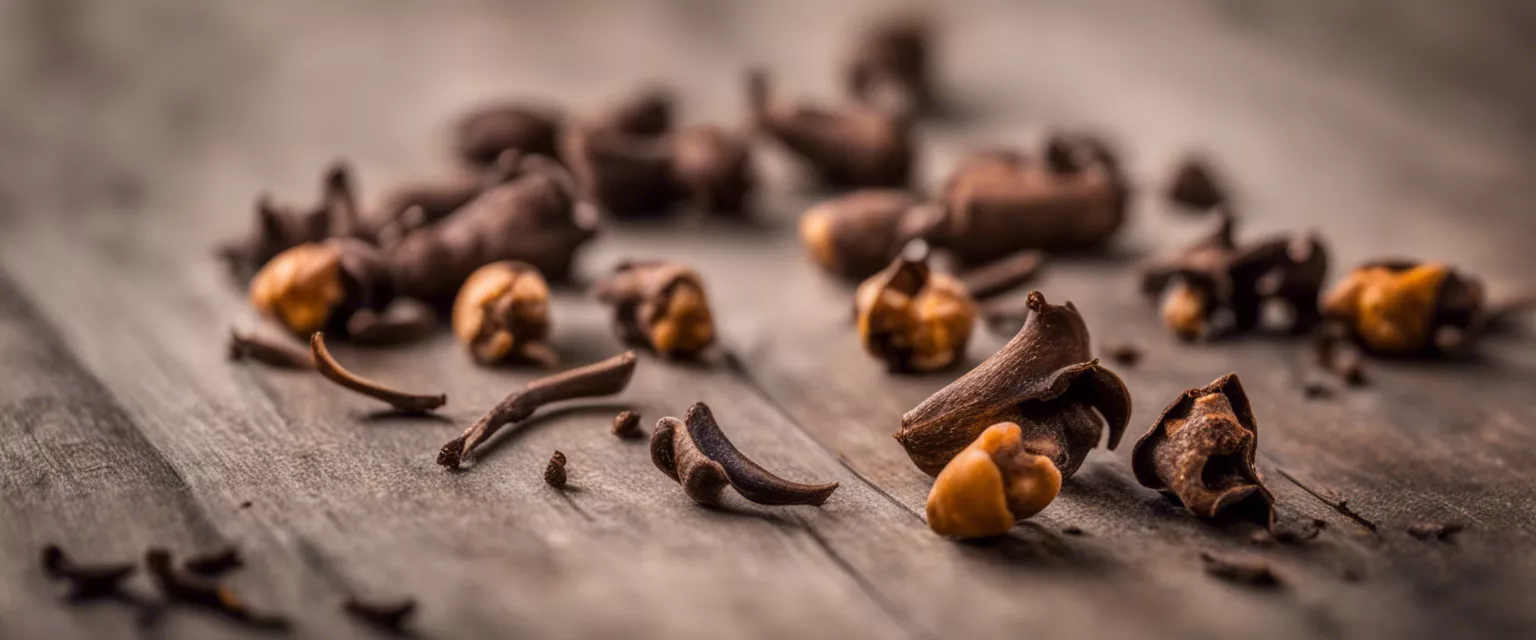
Aromatic cloves on a rustic wooden background, perfect for culinary and medicinal use.
Humulene Cannabis
Humulene, also known as α-humulene or α-caryophyllene, stands as one of the primary terpenes found in cannabis, contributing distinctive earthy, woody, and subtly spicy aromatic notes reminiscent of hops, its namesake source. This sesquiterpene plays a crucial role in defining the aromatic profiles of numerous cannabis cultivars, particularly those with diesel, earthy, or herbal characteristics that experienced consumers associate with certain therapeutic effects. Beyond its aromatic contributions, humulene demonstrates significant biological activity, including anti-inflammatory, antibacterial, and appetite suppressant properties that differentiate it from other cannabis terpenes and position it as a compound of considerable therapeutic interest.
The presence of humulene in cannabis reflects the plant’s sophisticated chemical defense mechanisms and its evolutionary relationship with other aromatic plants, particularly hops (Humulus lupulus), with which cannabis shares the Cannabaceae family. This terpene typically appears in cannabis at concentrations ranging from 0.1% to 0.4% of the total terpene profile, though certain cultivars specifically bred or selected for their earthy characteristics may contain significantly higher levels. The biosynthesis of humulene in cannabis trichomes follows the isoprenoid pathway, with its production influenced by genetic factors, environmental conditions, and plant stress responses that cultivators increasingly understand and manipulate to optimize therapeutic profiles.
Contemporary interest in humulene extends beyond its aromatic contributions to focus on its potential therapeutic applications and its role in the entourage effect, where it may modulate the effects of cannabinoids and other terpenes. Research indicates that humulene’s anti-inflammatory properties rival those of conventional pharmaceuticals, while its appetite-suppressing effects contrast with the typical appetite stimulation associated with cannabis consumption. This unique property profile makes humulene-rich cultivars particularly interesting for medical applications where appetite suppression rather than stimulation is desired, such as weight management programs or certain metabolic conditions, demonstrating how specific terpene profiles can dramatically alter cannabis’s therapeutic applications.
Chemical Properties
Molecular structure of humulene consists of an eleven-carbon sesquiterpene framework featuring a large macrocyclic ring with three isoprene units arranged in a specific configuration that determines its biological activity and physical properties. The molecule contains three double bonds positioned within the ring structure, creating a relatively rigid conformation that influences its interaction with biological targets and its stability under various conditions. This structural arrangement classifies humulene as a monocyclic sesquiterpene, distinguishing it from the bicyclic structure of its isomer β-caryophyllene, despite their shared molecular formula of C₁₅H₂₄. The specific three-dimensional arrangement of humulene’s atoms creates a unique molecular shape that allows it to interact with specific receptors and enzymes in biological systems.
Physical and chemical characteristics of humulene include a boiling point of 198°C (388°F), making it one of the higher-boiling terpenes in cannabis and contributing to its persistence during various processing methods. Its relatively low volatility compared to monoterpenes means humulene tends to be retained better during drying and curing processes, though it remains susceptible to degradation from heat, light, and oxygen exposure. The compound exhibits poor water solubility but readily dissolves in organic solvents and lipids, affecting its bioavailability and distribution in biological systems. Humulene’s stability under acidic conditions but susceptibility to oxidation influences storage requirements for humulene-rich cannabis products and extracts.
Analytical detection and quantification of humulene in cannabis products typically employs gas chromatography coupled with mass spectrometry (GC-MS) or flame ionization detection (GC-FID), with the compound eluting later than most monoterpenes due to its higher molecular weight and boiling point. The characteristic mass spectrum of humulene shows a molecular ion peak at m/z 204 with distinctive fragmentation patterns that allow for reliable identification even in complex terpene mixtures. Quantification challenges arise from humulene’s tendency to co-elute with other sesquiterpenes, requiring optimized chromatographic conditions for accurate separation. Modern analytical methods can detect humulene at concentrations as low as 0.01% in cannabis samples, enabling detailed profiling of even minor terpene constituents.
Biological Activity
Anti-inflammatory mechanisms of humulene operate through multiple pathways, including inhibition of nuclear factor-kappa B (NF-κB) signaling, reduction of pro-inflammatory cytokine production, and modulation of cyclooxygenase enzymes. Research demonstrates that humulene can reduce inflammation markers comparably to conventional anti-inflammatory drugs like dexamethasone, but through different mechanisms that may produce fewer side effects. The compound appears to work synergistically with cannabinoids, particularly CBD, to enhance anti-inflammatory effects beyond what either compound achieves alone. This multi-target anti-inflammatory activity suggests potential applications in treating chronic inflammatory conditions where conventional single-target drugs prove insufficient or produce unacceptable side effects.
Appetite suppression properties of humulene contrast markedly with cannabis’s typical appetite-stimulating effects, offering unique therapeutic potential for weight management and metabolic disorders. Studies indicate humulene may influence appetite through modulation of satiety signaling pathways and potentially through interaction with CB1 receptors, though through different mechanisms than cannabinoid antagonists. This appetite-suppressing activity appears dose-dependent and may be modified by the presence of other terpenes and cannabinoids in the entourage effect. The discovery of this property has led to increased interest in developing humulene-rich cannabis varieties for patients seeking cannabis’s other therapeutic benefits without increased appetite, particularly relevant for conditions like chronic pain in obese patients.
Antimicrobial and anticancer activities of humulene demonstrate additional therapeutic potential beyond its anti-inflammatory and metabolic effects. Laboratory studies show humulene exhibits antibacterial activity against various pathogenic bacteria, including drug-resistant strains, suggesting potential applications in addressing antibiotic resistance. Preliminary cancer research indicates humulene may induce apoptosis in certain cancer cell lines and enhance the effectiveness of conventional chemotherapy drugs. The compound also demonstrates antifungal properties and may contribute to cannabis’s natural resistance to certain plant pathogens. These diverse biological activities position humulene as a multifunctional therapeutic compound worthy of continued investigation for various medical applications.
Cannabis Applications
Cultivar selection for humulene content involves identifying and breeding cannabis varieties that naturally produce higher levels of this sesquiterpene, with certain landrace strains and their descendants showing particular promise. Classic cultivars like White Widow, Headband, and certain OG Kush phenotypes consistently test high in humulene, often comprising 5-10% or more of their total terpene profiles. Modern breeding programs increasingly focus on enhancing humulene production while maintaining desirable cannabinoid profiles, recognizing the market demand for therapeutically-oriented varieties. Environmental factors including temperature stress, UV exposure, and nutrient availability can influence humulene production, allowing cultivators to optimize growing conditions for enhanced expression of this valuable terpene.
Extraction and preservation of humulene during cannabis processing requires careful attention to temperature and handling procedures, as this sesquiterpene’s higher boiling point offers both advantages and challenges. While humulene’s lower volatility compared to monoterpenes means it’s less likely to evaporate during initial drying and curing, excessive heat during extraction or decarboxylation can still cause significant losses. CO2 extraction at specific temperature and pressure parameters can selectively extract humulene along with other desired compounds while leaving behind unwanted plant materials. Post-extraction handling must minimize exposure to oxygen and light to prevent oxidative degradation, with proper storage in airtight, light-proof containers essential for maintaining humulene content in finished products.
Product formulation strategies leveraging humulene’s properties include developing targeted therapeutic products for inflammation, appetite control, and antimicrobial applications. Topical formulations containing humulene-rich extracts show promise for localized anti-inflammatory effects without systemic psychoactive effects. Oral formulations designed for appetite suppression may combine humulene with other complementary terpenes and appropriate cannabinoid ratios to achieve desired therapeutic outcomes. Vaporizer products optimized for humulene delivery require temperature settings that efficiently volatilize this higher-boiling terpene while preserving its therapeutic activity. Understanding humulene’s stability and interactions with other cannabis compounds enables formulators to create more effective and consistent therapeutic products.
Commercial Significance
Market demand for humulene-rich cannabis products reflects growing consumer awareness of terpene-specific effects and the desire for targeted therapeutic outcomes beyond simple THC potency. Medical cannabis patients particularly value humulene-containing products for daytime use when appetite stimulation is undesirable, creating a distinct market segment for cultivars and extracts featuring this terpene. The wellness market shows increasing interest in humulene for its anti-inflammatory properties, with some consumers specifically seeking products high in both humulene and CBD for enhanced anti-inflammatory effects. This targeted demand drives premium pricing for verified humulene-rich products and encourages investment in analytical testing to confirm terpene profiles.
Quality control considerations for humulene content require sophisticated analytical capabilities and standardized testing methodologies to ensure product consistency and label accuracy. Batch-to-batch variation in humulene levels can occur even within the same cultivar due to environmental factors and processing variables, necessitating regular testing throughout the supply chain. Certificate of analysis documentation increasingly includes detailed terpene profiles with specific humulene quantification, particularly for medical-grade products. Storage stability studies help establish appropriate shelf life claims and storage recommendations for maintaining humulene content. Third-party verification of terpene profiles builds consumer trust and supports premium pricing for products with guaranteed humulene levels.
Future market opportunities for humulene extend beyond traditional cannabis products into pharmaceutical development, functional foods, and aromatherapy applications. Research into synthetic biology approaches for humulene production could provide consistent, scalable sources for pharmaceutical applications without cannabis-associated regulatory challenges. Combination products leveraging humulene’s anti-inflammatory and appetite-suppressing properties alongside other bioactive compounds represent opportunities for novel therapeutic formulations. The growing understanding of terpene-specific effects may lead to humulene becoming a standalone ingredient in wellness products, similar to how CBD has expanded beyond cannabis into mainstream markets. These developments suggest humulene’s commercial significance will continue growing as research validates its therapeutic properties and applications expand.